




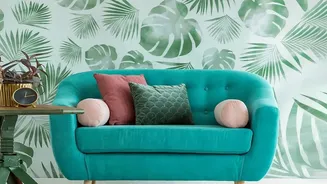
The Rise of the Statement Sofa
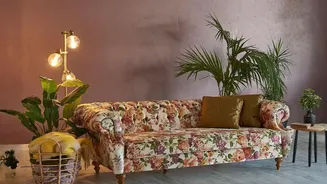
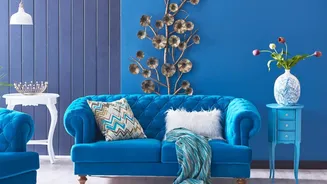
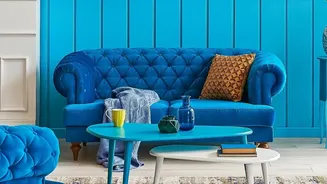
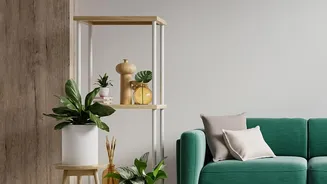
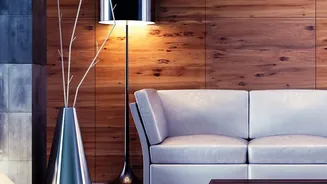
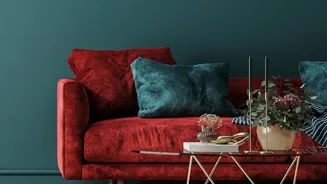
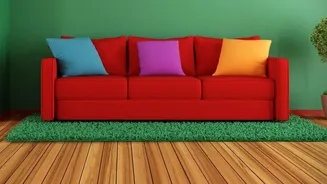
Forget meek and mild. The prevailing sofa trend of 2026 is all about personality. We’re seeing a significant move towards sofas that act as the undisputed star of the living room. Think deep, plush seats, dramatic curves, rich velvet or textured bouclé
upholstery, and colours that refuse to be ignored—from emerald green to burnt orange. These aren't just places to sit; they are functional sculptures. The appeal is obvious. A single, powerful piece of furniture can define an entire room’s aesthetic, injecting instant character and a sense of curated luxury. It promises a shortcut to a designer-look home. However, this trend comes with a significant risk. When you choose a sofa with such a strong presence, you're making a high-stakes decision that goes far beyond colour and fabric.
Understanding the Concept of Scale
The most common mistake when buying a bold sofa isn’t picking the wrong style, but getting the scale wrong. In interior design, 'scale' refers to how the size of an object relates to the size of the room it occupies, as well as the other objects around it. A sofa that looks magnificent in a spacious showroom can feel monstrous and oppressive in a typical apartment living room. Conversely, a small, delicate sofa can feel lost and insignificant in a large, open-plan space with high ceilings. When the scale is right, the room feels balanced and harmonious. When it’s wrong, the space feels either cramped or empty, no matter how beautiful the individual pieces are. Getting it right is the secret to a room that just feels 'calm' and 'correct'.
How to Measure for Perfect Scale
Before you even start browsing, grab a measuring tape. First, measure the length and width of your room. A common guideline suggests that your main sofa should take up approximately two-thirds of the wall it will be placed against. This prevents it from looking squashed from end to end and leaves breathing room for side tables or a floor lamp. Next, use painter's tape to mark the sofa's footprint on the floor. This simple trick gives you a real-world sense of how much floor space the piece will occupy. Walk around the taped-off area. Is there enough clearance for pathways? Experts recommend leaving at least 30 inches for major walkways to ensure the room flows naturally. If you plan to have a coffee table, ensure there is at least 18 inches between it and the sofa.
Considering Visual Weight
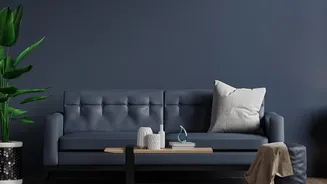
Scale isn't just about physical dimensions; it's also about 'visual weight'. A sofa with a bulky frame, wide arms, and dark upholstery will appear much larger and heavier than a sofa with the exact same dimensions but raised on slender legs with a low back and a light-coloured fabric. For smaller rooms, opting for a statement sofa with cleaner lines and visible legs can provide that bold look without visually shrinking the space. The area underneath the sofa creates a sense of openness, tricking the eye into seeing more floor space. Conversely, in a very large room, a low-profile sofa might lack the presence needed to anchor the space, making a more solid, grounded design a better choice.
Balancing the Rest of the Room
A bold sofa is the focal point, but it doesn't exist in a vacuum. Once you've chosen it, every other piece in the room must play a supporting role. If your sofa is large and visually heavy, balance it with other elements that are lighter in scale. Think a glass coffee table, an area rug that extends generously beyond the sofa's footprint, and artwork that is appropriately sized for the wall above it. If you have a massive, sculptural sofa, you can't pair it with a tiny, delicate coffee table; the proportions will feel off. The goal is to create a cohesive conversation between all the elements, with the sofa as the clear lead. The principle of scale dictates that harmony is achieved when everything feels like it belongs together.