





Bajra (Pearl Millet)
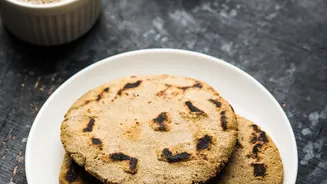
Known for its warming properties, bajra is a winter staple in many Indian households. This gluten-free grain is dense and earthy, providing sustained energy that's perfect for cold days. For lunch, move beyond the classic roti. Try making a nourishing
bajra khichdi by pressure cooking the millet with moong dal and seasonal vegetables. It's a simple, one-pot meal that is both filling and easy to digest. You can also use bajra flour to prepare a savoury porridge, seasoned with salt and pepper and topped with a little ghee for extra warmth.
Sarson (Mustard Greens)
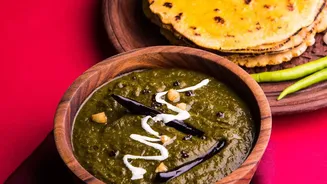
Sarson ka saag is the quintessential winter dish of North India for a good reason. These pungent, flavourful greens are at their peak during winter and are packed with nutrients. While making a full-fledged saag might seem like a weekend project, you can easily incorporate these greens into a quicker lunch. A simple stir-fry of chopped mustard greens with garlic, ginger, and a few spices makes a fantastic and fast sabzi to go with rotis. This preparation retains the greens' unique flavour while fitting into a weekday lunch schedule. You can even pair it with makki di roti for a classic combination.
Shakarkandi (Sweet Potato)
Sweet potatoes are a treasure trove of nutrients, offering fiber, complex carbs, and a comforting sweetness that is perfect for winter. They are incredibly versatile and can liven up any lunch. For a quick and tangy meal, prepare a shakarkandi chaat. Simply roast or boil diced sweet potatoes and toss them with chaat masala, lemon juice, and your favourite chutneys for a burst of flavour. Another great option is to make a simple sweet potato sabzi, lightly spiced to complement its natural taste, or even stuff it into a paratha.
Methi (Fenugreek Leaves)
Fresh fenugreek leaves are a hallmark of the winter season in India. With their slightly bitter yet aromatic flavour, methi leaves can transform a simple dish. Methi thepla, a spiced flatbread from Gujarat, is a perfect lunchbox item as it travels well and tastes great with just a side of yogurt or pickle. For a warm and hearty meal, an Aloo Methi sabzi is a quick and flavourful option that pairs beautifully with hot rotis or as a side with dal and rice. The leaves are known to aid digestion and are a great way to add greens to your diet.
Til (Sesame Seeds)
Sesame seeds are a powerhouse of warmth and energy, making them an essential winter ingredient. They are rich in healthy fats, calcium, and iron. While often used in sweets like laddoos and chikki, they can also add a nutty crunch and flavour to savoury lunch dishes. A simple til chutney, made by grinding roasted sesame seeds with spices, is a delicious accompaniment to rice or roti. You can also sprinkle roasted sesame seeds over vegetable stir-fries or mix them into the dough for your rotis for an easy nutritional boost.
Gur (Jaggery)
Jaggery is the traditional Indian winter sweetener for good reason. Unlike refined sugar, it provides a slow release of energy and is rich in minerals like iron. Its warming effect is highly valued in colder months. While it's the base for many winter sweets, its simplest use is as a digestive after a meal. A small piece of jaggery after your lunch can help with digestion and provide a gentle, satisfying sweetness. It can also be used to balance the flavours in tangy or bitter dishes, like a side with Sarson ka Saag.
Adrak (Ginger)
No Indian winter kitchen is complete without ginger. Known for its powerful warming and anti-inflammatory properties, ginger is essential for staving off winter chills and boosting immunity. Adding freshly grated ginger to your daily dal tadka not only enhances the flavour but also aids digestion. A quick ginger pickle, made with slivered ginger, lemon juice, and salt, can be a zesty and healthy addition to your lunch plate. It's an easy way to ensure you get the benefits of this wonderful spice with every meal.