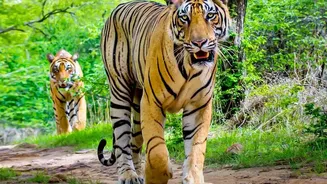



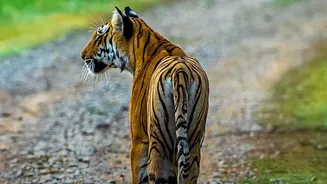
The thrill of spotting a majestic tiger in the wild is an unmatched experience. This allure is increasingly placing India’s tiger reserves at the top of domestic travel lists, transforming wildlife tourism from a niche hobby to a mainstream vacation choice.
The Call of the Wild in a Post-Pandemic World
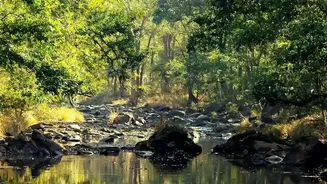
The travel landscape in India has seen a dramatic shift in recent years, with a notable pivot towards domestic destinations. After extended periods of confinement, travellers are seeking open spaces and meaningful, experience-led journeys over conventional holidays. This has fueled a boom in nature and wildlife tourism. Sanctuaries and national parks offer an escape from urban life, providing a chance to reconnect with nature. Surveys show that the primary motivations for visiting these parks are the opportunity to see nature, wildlife, and the scenic beauty of the landscape, with tiger sightings being a major draw. This growing preference for immersive and authentic experiences is a key driver behind the rising footfall in tiger reserves across the country.
A Conservation Success Story Fuels Tourism
You are more likely to see a tiger in India today than at any point in the last few decades, and that is no accident. The success of Project Tiger, launched in 1973, has been phenomenal. From just nine reserves initially, India now has over 50 tiger reserves. The tiger population has steadily grown, reaching an estimated 3,682 in the latest census. This conservation victory has a direct impact on tourism; healthier tiger populations and well-managed habitats lead to more frequent sightings. This creates a powerful feedback loop: successful conservation makes reserves more attractive to tourists, and the revenue generated from tourism can then be funnelled back into conservation efforts and supporting local communities.
The 'Instagram' Effect and Digital Influence
In the age of social media, a single, stunning photograph of a tiger can spark travel inspiration for thousands. Platforms like Instagram are filled with breathtaking images from parks like Ranthambore, Bandhavgarh, and Tadoba, creating a powerful visual pull. Wildlife photographers and travel influencers play a significant role in popularising these destinations. Beyond social media, wildlife documentaries showcasing India's rich biodiversity have also captured the global imagination, further boosting interest. While word-of-mouth remains a strong influencer, the digital footprint of India's wildlife is undeniably converting curiosity into bookings.
Improved Accessibility and Infrastructure
Gone are the days when a trip to a national park was a daunting logistical challenge. Today, many popular tiger reserves boast excellent connectivity to major cities and towns. Parks like Ranthambore are an easy addition to the popular Golden Triangle tourist circuit, while others are a few hours' drive from the nearest airport. The ecosystem around these parks has also matured significantly. There is now a wide spectrum of accommodation options, from luxurious eco-lodges and resorts to budget-friendly homestays, many of which are run by local communities. This improved infrastructure makes wildlife holidays more accessible and comfortable for families, solo travellers, and international tourists alike.
More Than Just Tigers
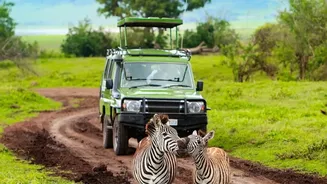
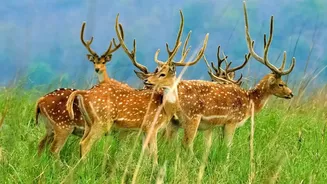
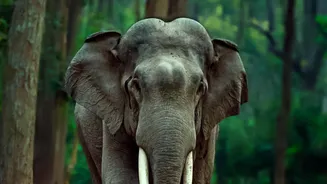
While the tiger remains the star attraction, visitors are increasingly appreciating the holistic ecosystem of the reserves. A safari is an opportunity to see a wide array of fauna, including leopards, elephants, sloth bears, and hundreds of bird species. Parks like Kanha, which inspired 'The Jungle Book', and Kaziranga, home to the one-horned rhinoceros, offer diverse experiences. This broader appreciation for biodiversity is a sign of a maturing eco-tourist. Travellers are learning that the health of the entire forest is what makes a tiger sighting possible. This shift encourages a more patient and rewarding engagement with the wild, moving beyond a single-minded chase for the tiger.