




The Monsoon's Official Anthem
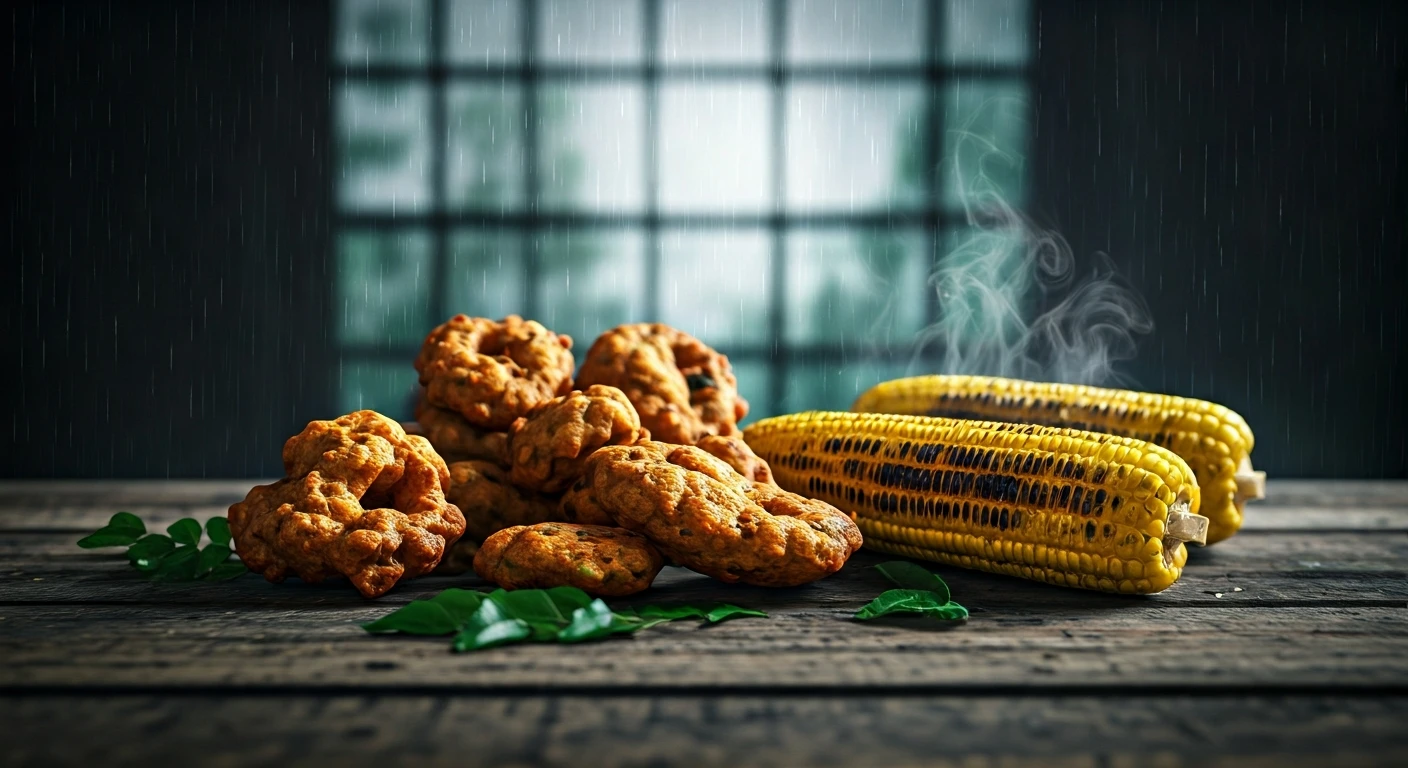
Let’s be honest. The monsoon in India has an official soundtrack, and it isn’t a song. It’s the aggressive sizzle of gram flour batter hitting a kadhai of hot oil. It’s the culinary crescendo that promises relief, comfort, and pure, unadulterated joy.
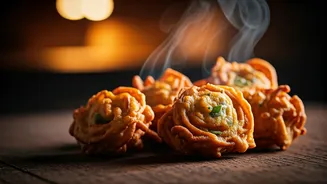
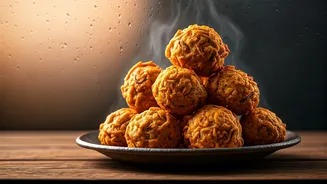
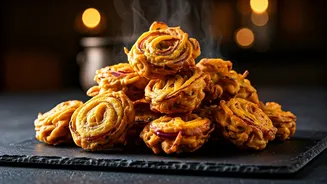
The onion pakora, or bhajji, is more than just a snack; it’s a multi-sensory experience inextricably linked with the romance of the rains. Each crunchy bite is a counterpoint to the soft drumming of raindrops on the windowpane. It’s a warmth that seeps into your bones, warding off the damp chill in the air. This isn't a food item that requires planning or a special occasion. It is the occasion itself. When the clouds gather, kitchens across the country spring into action. Sliced onions, a generous scoop of besan, a flurry of spices—turmeric for colour, ajwain for digestion, chilli for a kick—are brought together in a rustic, unpretentious mix. It’s a ritual performed not with the precision of a pastry chef, but with the intuition of generations.
A Masterclass in Simplicity
In a world of complex gastronomy and fifteen-ingredient recipes, the onion pakora stands as a testament to the power of simplicity. Its beauty lies in its accessibility. You don’t need fancy equipment or imported ingredients. It’s democratic food, made with pantry staples found in every Indian home. The sweetness of the caramelised onion, the nutty, earthy flavour of the gram flour, and the heat from the green chillies create a symphony of taste that far exceeds the sum of its humble parts. This simplicity is its genius. It allows for endless, minor personalisations. Some add a pinch of baking soda for extra fluffiness; others mix in rice flour for a glass-like crispness. Some throw in a handful of coriander or curry leaves for an aromatic lift. Yet, the soul of the dish—the glorious onion—remains the undisputed hero. It is a snack that refuses to be gentrified, remaining stubbornly authentic whether served on a fine porcelain plate or in a cone of old newspaper at a roadside stall.
The Great Social Unifier
Think about the role the onion pakora plays in our social lives. It’s the default offering for unexpected guests, a peace offering after a family squabble, and the star of the show at impromptu office tea parties. It’s a snack that erases hierarchies. The CEO and the intern will both reach for the same plate with the same level of enthusiasm. It’s the ultimate icebreaker. Sharing a plate of hot pakoras, dipping them into the same bowls of chutney, creates an instant, unspoken bond. It’s a food meant for sharing, its irregular shapes and sizes inviting you to just grab one without formality. From the bustling 'kanda bhaji' stalls in Mumbai to the 'vengaya bajji' shops in Chennai, it’s a thread that ties the diverse culinary fabric of the nation together. It’s a conversation starter, a mood lifter, and a catalyst for camaraderie.
The Perfect Accompaniment
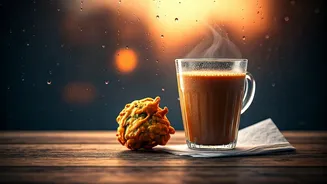
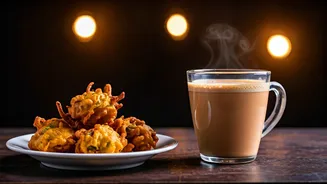
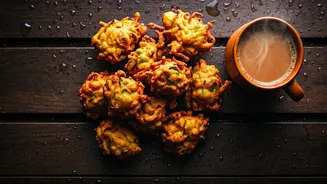
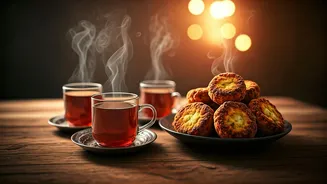
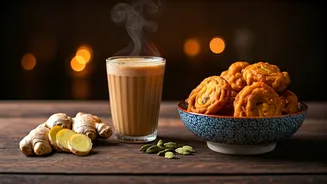
While a fresh onion pakora is magnificent on its own, its glory is truly amplified by its companions. The classic pairing, of course, is a steaming cup of masala chai. The spicy, milky tea cuts through the oiliness of the fritter, cleansing the palate and preparing you for the next bite. It is a partnership so iconic, so perfect, that it feels like it was ordained by the culinary gods. Then there are the chutneys. The fiery green chutney, made from coriander and mint, provides a fresh, sharp contrast. The sweet-and-sour tamarind chutney adds a tangy depth that balances the savoury notes of the pakora. For many, a simple dollop of tomato ketchup does the trick. There is no wrong way to eat a pakora, but these accompaniments elevate it from a simple snack to a complete and satisfying treat. It’s a holy trinity of crunch, spice, and tang.