





The Slow Goodbye to Artificial Syrups
For years, the default way to flavour cold tea was a generous pump of brightly coloured, artificially flavoured syrup. While quick and consistent, this method often buried the tea's natural taste under a wave of synthetic sweetness. Today’s consumers,
increasingly health-conscious and discerning, are looking for alternatives. They are rejecting high-sugar, low-nutrient options in favour of beverages that offer both complex flavour and genuine wellness benefits. This shift has paved the way for a more thoughtful approach to cold tea, one that prioritises natural ingredients and authentic taste profiles over a quick sugar rush.
What is Slow Steeping?
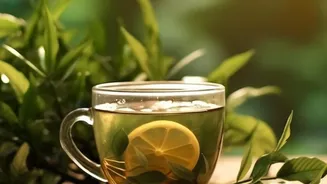
The secret to unlocking a tea's delicate flavour without bitterness lies in the slow steeping method, also known as cold brewing. Instead of shocking tea leaves with boiling water, which can release bitter-tasting compounds called tannins, this technique involves steeping them in cold or room-temperature water for an extended period, typically between 6 to 12 hours. The result is a remarkably smooth, nuanced, and naturally sweeter brew. This gentle extraction process creates a perfect, clean-tasting canvas, allowing the complex notes of both the tea and any added botanicals to shine through without needing sugar to balance any harshness.
India’s Botanical Renaissance
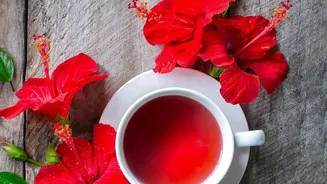
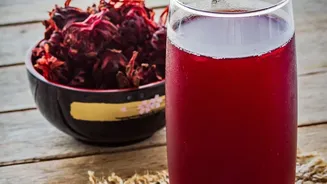
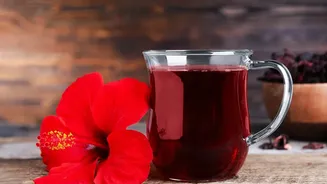
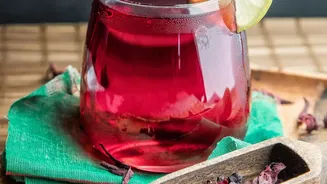
At the heart of this trend is a rediscovery of India's rich botanical heritage. Instead of generic fruit flavours, brewers are turning to indigenous plants long-revered in traditional medicine and home remedies. One of the most visually stunning is Butterfly Pea Flower, or Aparajita, known for its brilliant blue hue that magically transforms to purple with a squeeze of lemon. Another favourite is Hibiscus, or Gudhal, which lends a tart, cranberry-like flavour and a beautiful ruby colour to infusions, and is packed with antioxidants. Adaptogenic herbs from Ayurveda are also making a major splash. Tulsi (Holy Basil) brings its signature peppery, slightly sweet notes, while the earthy, grounding flavour of Ashwagandha is being embraced for its famous stress-relieving properties. These ingredients offer a depth of flavour and a connection to culture that artificial syrups simply cannot replicate.
A Sip of Wellness and Culture
This movement is about more than just taste; it represents a fusion of modern wellness and ancient wisdom. By incorporating botanicals rooted in Ayurveda, these cold teas are becoming functional beverages sought after for their health benefits. Consumers are not just hydrating; they are seeking drinks that can help reduce stress, boost immunity, or provide a gentle detox. The trend also satisfies a growing desire for authenticity and storytelling. Each botanical has a history, a traditional use, and a place in India's cultural fabric. Choosing a Tulsi-infused cold brew over a generic lemon iced tea becomes a small act of connecting with heritage, making the drinking experience richer and more meaningful.
Where to Experience the Trend
This botanical wave is washing over specialty cafes, wellness-focused eateries, and even high-end restaurants across the country. Menus now proudly list ingredients like 'Aparajita' and 'Ashwagandha', signalling a commitment to quality and natural ingredients. The trend is also incredibly accessible for home brewers. All it takes is a glass jar, some quality tea, your chosen botanicals, and a bit of patience. As consumers continue to seek out beverages that are both delicious and nourishing, the vibrant, authentic flavours of slow-steeped botanical teas are set to become a permanent fixture in India’s beverage landscape, offering a refreshing alternative that is good for the body and the soul.