






Beyond the Curry House
For decades, the perception of Indian food in many parts of the world was limited to a handful of North Indian dishes, often adapted into a sweeter, creamier British-style curry house format. While beloved, this model rarely showcased the subcontinent's
vast culinary diversity. That era is definitively over. Today, the number of Indian restaurants is surging globally, outpacing the overall industry's growth. This boom is not just about quantity; it's a story of transformation. Diners are moving from associating Indian food with heavy buffets to seeking out light, refined, and regionally specific experiences.
The Quest for Authenticity
The driving force behind this new wave is a demand for authenticity. But what does "authentic" Indian food even mean? It means chefs are no longer cooking a single, monolithic "Indian" menu. Instead, they are becoming culinary storytellers, presenting dishes that reflect the true taste of their specific regions. This means diners in New York can experience the southern specialities of Tamil Nadu at restaurants like Semma, while Londoners can explore the coastal seafood traditions of Kerala at places like Quilon. This focus on regional identity, from Goan recipes with their Portuguese influence to the smoky flavours of Nagaland, is introducing a global audience to the true depth of Indian cuisine.
From Street Food to Michelin Stars
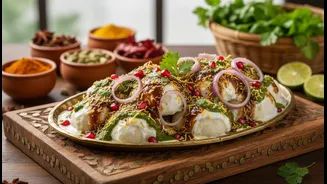
The new generation of Indian restaurants spans the entire dining spectrum. Casual eateries and food trucks are finding success by celebrating the vibrant world of Indian street food, with searches for items like tiffin services rising dramatically. At the same time, Indian cuisine is making unprecedented strides in the world of fine dining. Chefs like Himanshu Saini at Trèsind Studio in Dubai have earned the world's first-ever three Michelin stars for an Indian restaurant, a landmark achievement proving Indian culinary arts can compete with the best French and Japanese kitchens. Others, like Aktar Islam's Opheem in Birmingham, are earning two stars for their modern interpretation of traditional recipes.
Drivers of the Delicious Demand
Several factors are fueling this global phenomenon. The growing and increasingly affluent Indian diaspora provides a customer base eager for a genuine taste of home. Simultaneously, international diners have become more adventurous, their palates primed by food media and travel. The global movement towards plant-based diets has also been a significant tailwind. With its deep-rooted tradition of vegetarianism, Indian cuisine offers a vast and flavorful array of options that are naturally meat-free, from lentil dals to vegetable-based curries, appealing to health-conscious consumers worldwide.
The New Culinary Ambassadors
At the heart of this movement are the chefs themselves. Once seen as a trade, cheffing is now a celebrated profession, and a new generation of Indian chefs is taking on the role of global cultural ambassadors. They are not just replicating family recipes; they are researching forgotten traditions, sourcing heirloom ingredients, and using modern techniques to elevate the food without losing its soul. Their success is creating a virtuous cycle, inspiring more talent and attracting investment. The demand for skilled Indian chefs is so high that countries like Germany and Canada are actively creating pathways for them to work abroad.