






Why 'Low-Impact' is Your Best Friend
When you're a beginner, the goal isn't to push through pain; it's to build a consistent habit. Low-impact exercise is key because it gets your heart rate up without putting excessive strain on your joints. These activities are defined by keeping at least
one foot on the ground, which minimizes jarring forces on your ankles, knees, and hips. Think of activities like brisk walking or cycling, which are much gentler than running or jumping. The buoyancy of water in activities like swimming or water aerobics makes it an almost zero-impact workout, perfect for those with arthritis or significant joint stiffness. By focusing on low-impact movement, you strengthen the muscles that support your joints, improve circulation, and reduce the risk of injury, allowing you to build momentum and confidence.
Cardio That Cares for Your Joints
Cardiovascular exercise is crucial for heart health, and you don't need to run to get a great workout. Walking is the most accessible joint-friendly exercise. Start with 10-15 minute walks on flat surfaces and gradually increase your time and distance as you feel more comfortable. Cycling, either on a stationary bike or outdoors, is another excellent option because your weight is supported, reducing stress on your lower-body joints. For a full-body workout with virtually no impact, swimming and water aerobics are unmatched. The water provides gentle resistance while supporting your body, which can help increase strength and flexibility. Elliptical machines are also a great choice as they mimic a running motion without the pounding effect.
Building Strength Without the Strain
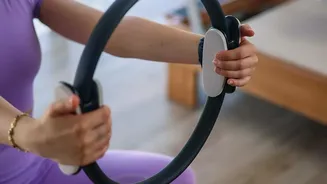
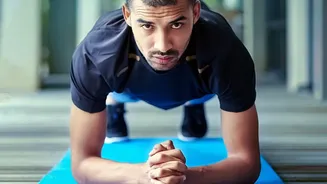
Strength training is vital for protecting your joints by building up the muscles that surround and support them. You don't need heavy weights to see benefits. Start with your own bodyweight or use light resistance bands. Exercises should be performed with slow, controlled movements. Great beginner moves include glute bridges to strengthen your hips, wall sits to build leg endurance without knee strain, and planks for core stability. As you progress, you can incorporate light dumbbells for exercises like bicep curls or a chest press. The focus should always be on proper form over the amount of weight lifted to ensure you're challenging the muscles, not the joints.
Don't Forget Flexibility and Mobility
Stiffness can be a major contributor to joint pain. Incorporating flexibility and mobility work into your routine helps lubricate joints and maintain your full range of motion. Gentle yoga and tai chi are fantastic for this, as they combine slow, controlled movements with stretching and balance work. Simple daily stretches can also make a huge difference. Try gentle neck rotations, shoulder rolls, and seated spinal twists. Dynamic stretches, like leg swings and arm circles, are great for a warm-up to prepare your body for movement. After your workout, static stretches—where you hold a position for 20-30 seconds—can help improve flexibility and reduce muscle tightness.
Putting It All Together: Your Weekly Plan
Consistency is more important than intensity. Aim for at least 150 minutes of moderate aerobic activity, like brisk walking, spread throughout the week. A good starting point is three to four low-impact workouts per week, each lasting 20 to 40 minutes. You can structure your week to include a mix of activities. For example: two or three days of cardio (like walking or cycling) and two days of strength training. Always begin each session with a 5-10 minute dynamic warm-up to increase blood flow and prepare your joints for exercise. A cool down with gentle stretching is equally important to help your body recover. Most importantly, listen to your body. If you feel sharp pain, stop and rest.