

The Quest for Ultimate Crunch
The number one enemy of a crispy roasted chickpea is moisture. When canned chickpeas aren't dried properly, the water on their surface turns to steam in the oven, effectively steaming the bean instead of roasting it. This leads to a soft, chewy texture.
The secret to a shatteringly crisp exterior lies in getting the chickpeas as dry as humanly possible before they ever see a drop of oil or a grain of spice. Many recipes suggest simply patting them dry, but for a truly superior crunch, letting them air-dry on a kitchen towel for 30 minutes can make a world of difference. This extra step ensures that the oven's dry heat can work its magic, creating that coveted crispy shell.
A Step-by-Step Roasting Guide
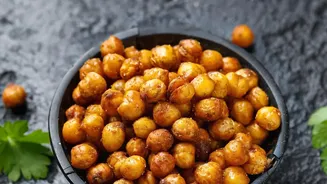
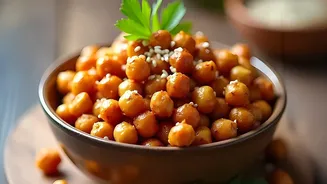
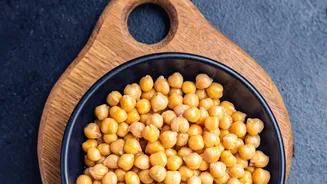
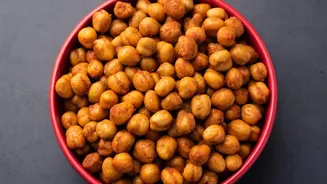
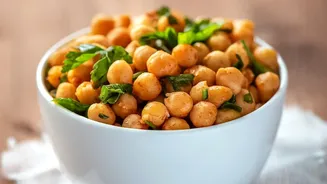
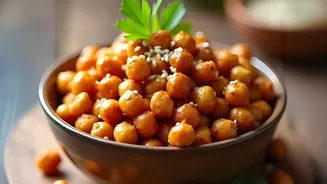
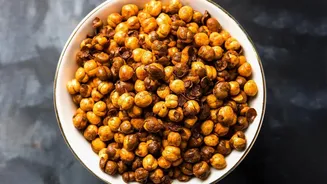
Mastering the method is simple. Start with canned chickpeas, also known as garbanzo beans. First, preheat your oven to a high temperature, around 400-425°F (200-220°C). Drain and rinse the chickpeas thoroughly in a colander. Next, the crucial drying step: spread them on a clean kitchen towel or paper towels and pat them dry, removing any loose skins that come off. For best results, let them air-dry for a bit. Once bone-dry, transfer them to a baking sheet, toss with a light coating of a high-heat oil like olive or avocado oil, and spread them in a single, even layer. Overcrowding the pan will cause them to steam, so give them space. Roast for 20-30 minutes, shaking the pan every 10-15 minutes, until they are golden brown and feel dry to the touch. They will continue to crisp up as they cool.
Perfecting Your Seasoning Blends
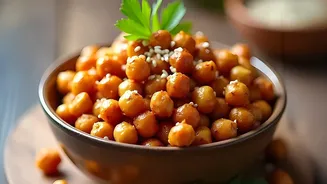
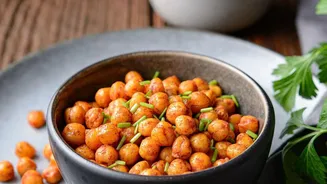
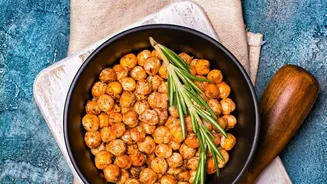
While salt is a classic, the real fun begins with custom spice blends. For the best flavour adhesion, toss the hot, freshly roasted chickpeas with your chosen seasonings immediately after they come out of the oven. The possibilities are nearly endless. A popular savoury blend combines smoked paprika, garlic powder, and ground sumac for a smoky, citrusy flavour. For a different profile, try a mix of curry powder, turmeric, and ginger. You can also make a simple ranch-style seasoning with dried dill, onion powder, and garlic powder. Even 'everything bagel' seasoning works wonderfully. For a sweet-and-spicy kick, a combination of cinnamon and sugar offers a delightful contrast.
As a Salad and Soup Topper
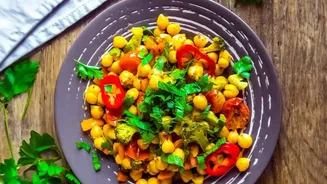
Once you've mastered the crunch, it's time to elevate your meals. Roasted chickpeas are a fantastic way to add protein and texture to salads, replacing traditional croutons. Toss them into a fresh green salad with a lemon vinaigrette, where their crunch provides a satisfying contrast to tender lettuce and soft vegetables. They are also a wonderful garnish for creamy soups. A handful sprinkled over a bowl of tomato soup or a butternut squash purée adds a much-needed textural element that takes the dish from simple to sophisticated. A spicy blend, using chili powder and cumin, works particularly well in this context.
The Hero of Hearty Grain Bowls
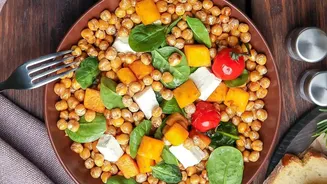
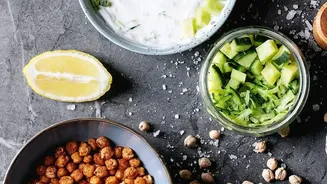
Grain bowls are a perfect canvas for roasted chickpeas. Their firm texture holds up well against softer components like quinoa, farro, or rice. Build a Mediterranean-inspired bowl with a base of quinoa, chopped cucumbers, tomatoes, feta cheese, and a generous helping of herb-seasoned roasted chickpeas. Drizzle with a tahini-based dressing to tie it all together. For an Indian-inspired bowl, pair curry-spiced chickpeas with basmati rice, sautéed spinach, and a dollop of cooling yogurt. The chickpeas not only add a protein punch but also make every bite more interesting with their delightful crunch.
Storing for Lasting Crispiness
The final challenge is storage. To maintain that hard-won crunch, you must fight moisture even after cooking. Storing warm chickpeas in a sealed container is a recipe for sogginess, as trapped steam will soften them. The best method is to let them cool completely at room temperature for at least an hour. For short-term storage (1-2 days), keep them in a bowl or a glass jar loosely covered with a paper towel or with the lid left slightly ajar. This allows air to circulate and prevents moisture buildup. Avoid refrigerating them if possible, as the cold, humid environment can make them chewy.