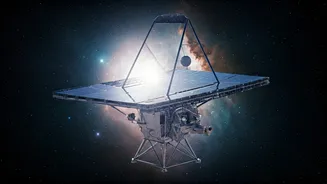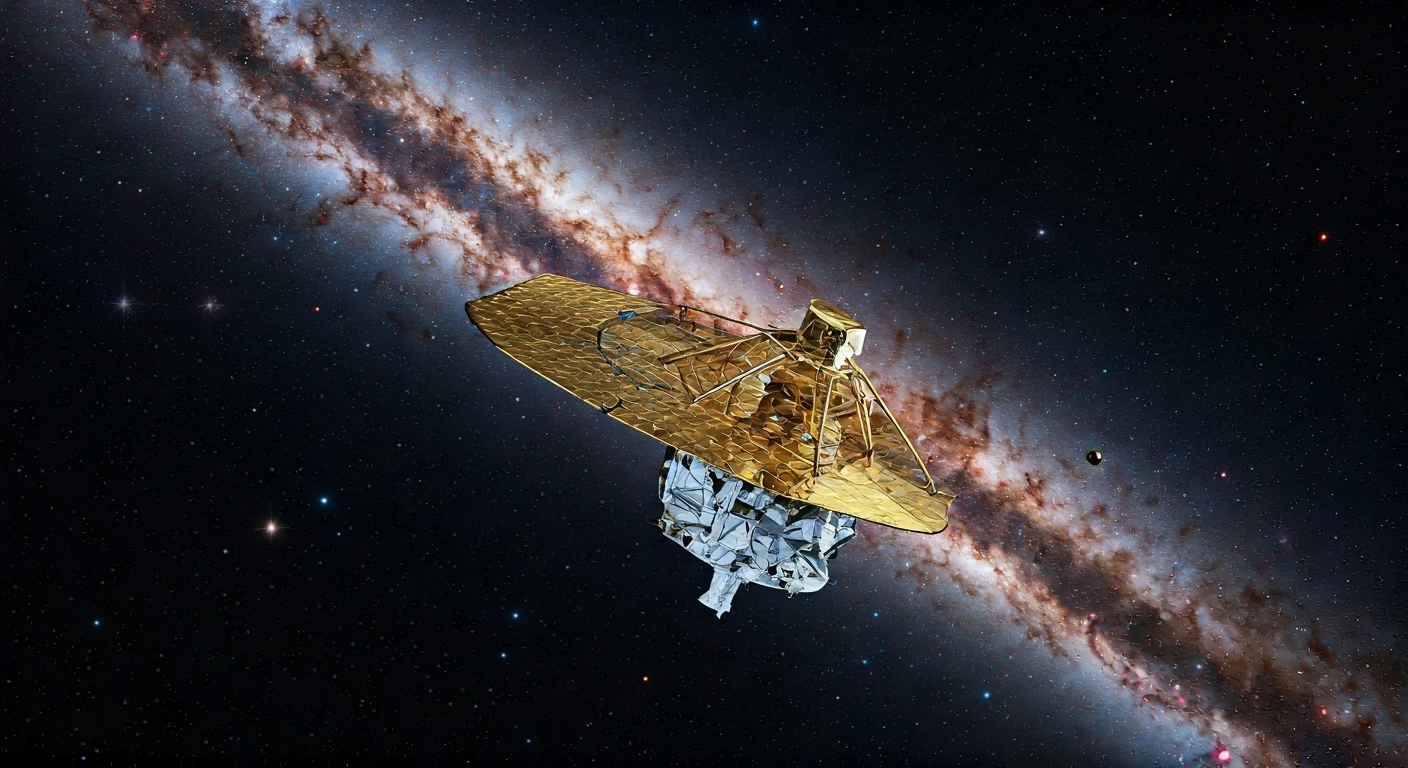




Meet the Nancy Grace Roman Space Telescope
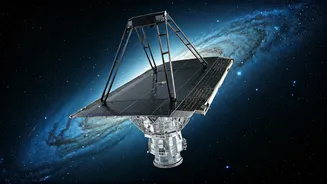
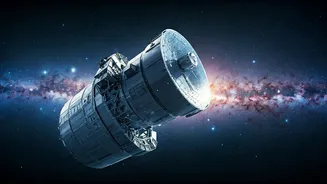
The new observatory is the Nancy Grace Roman Space Telescope, named after NASA's first chief of astronomy, who was instrumental in making the Hubble Space Telescope a reality. [6, 11] Construction and assembly of the Roman telescope are complete, and as of late
June 2026, it has arrived at NASA's Kennedy Space Center in Florida for final launch preparations. [9, 12] The mission, which has been in development for about a decade, is now targeting a launch date of August 30, 2026, aboard a SpaceX Falcon Heavy rocket. [2, 3, 10] This timeline puts the flagship project significantly ahead of its original schedule and under budget, a rarity for such complex scientific endeavors. [3, 10]
A Panoramic Vista of the Cosmos
While Roman features a primary mirror that is 2.4 meters in diameter—the same size as Hubble's—its power lies in its incredibly wide field of view. [8, 9] Its Wide Field Instrument (WFI) will be able to capture an area of the sky at least 100 times larger than Hubble can in a single snapshot. [8, 11, 15] This means a single image from Roman will contain the detail equivalent to 100 separate Hubble images. [8] This panoramic capability will allow it to survey the sky with unprecedented speed and efficiency, gathering vast amounts of data to create enormous cosmic maps. [5, 14] Where Hubble and Webb are optimized for deep, narrow dives into specific cosmic targets, Roman is designed for breathtakingly broad surveys. [18]
Unraveling Dark Mysteries
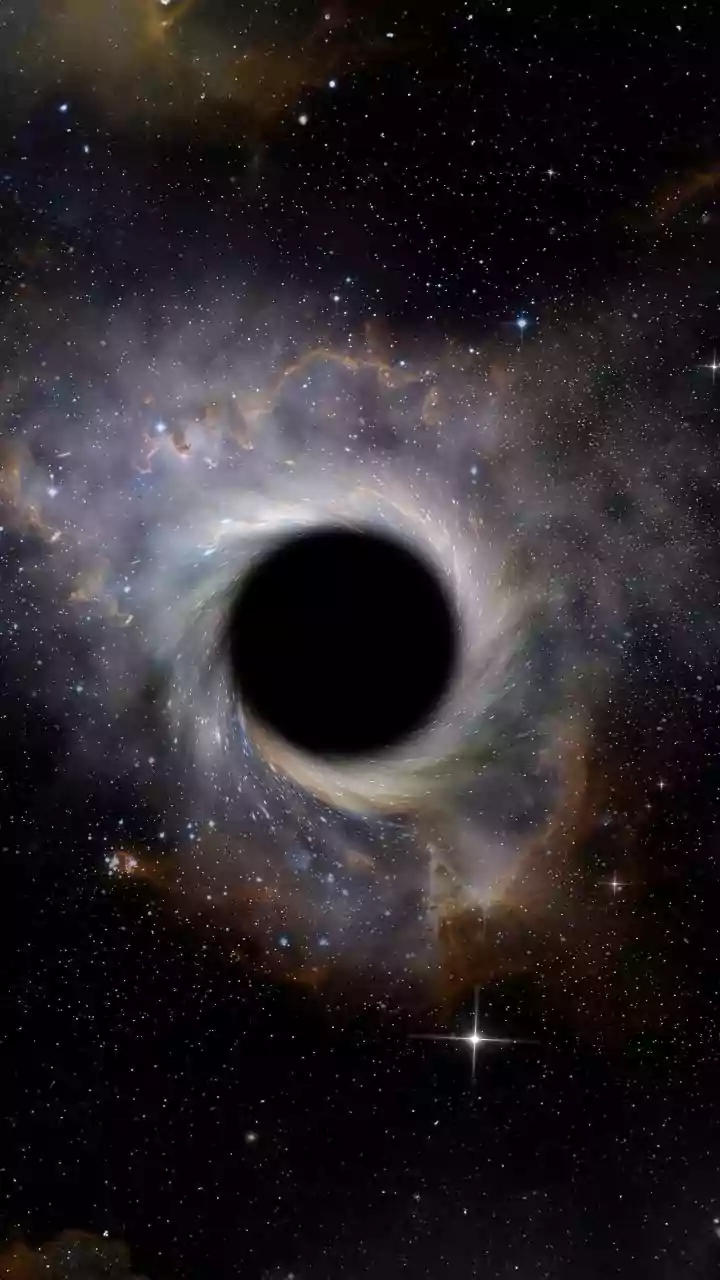
Roman has two primary scientific goals. The first is to tackle some of the biggest questions in cosmology: the nature of dark energy and dark matter. [6, 7] Dark energy is the mysterious force causing the expansion of the universe to accelerate, and dark matter is the unseen substance that makes up the bulk of matter in the cosmos. [6] By mapping the distribution of a billion galaxies and studying how galaxy clusters are spread across time and space, Roman will help scientists measure the effects of these dark components. [6, 8] It will also use a phenomenon called gravitational lensing, where massive objects warp the light from distant galaxies, to chart the distribution of dark matter. [6]
The Hunt for New Worlds
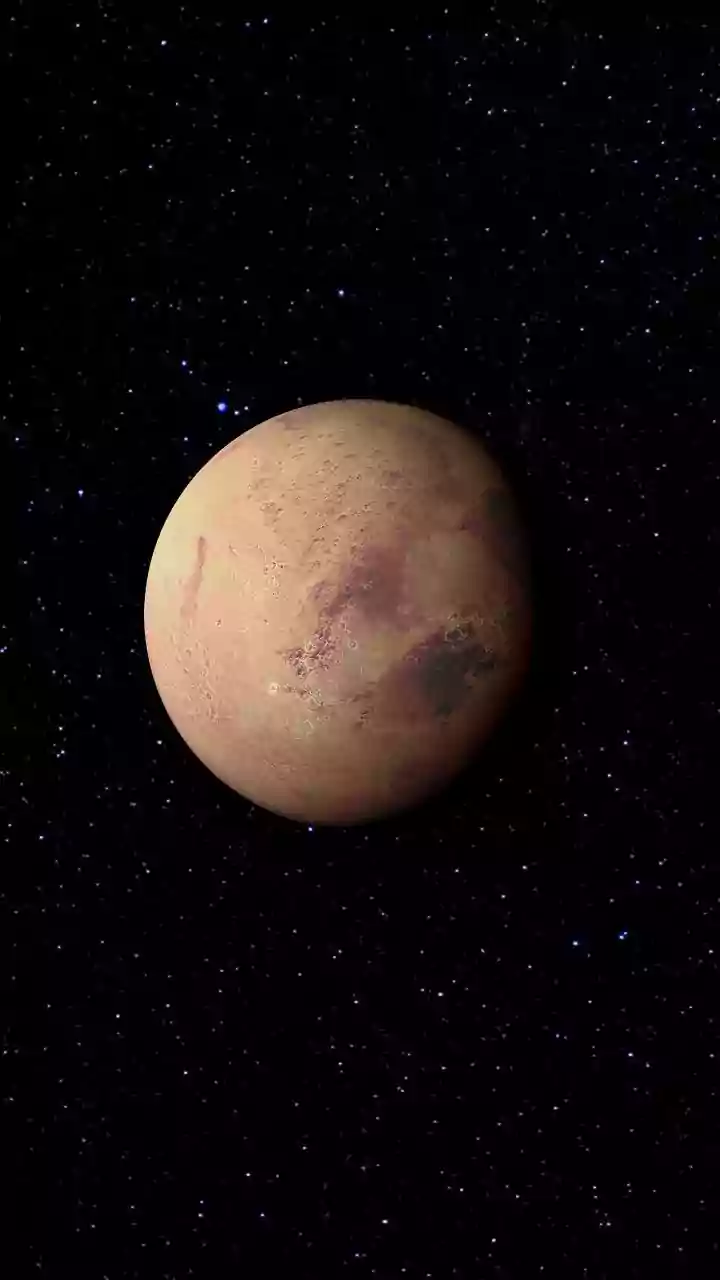
The telescope's second major objective is a massive hunt for exoplanets—planets orbiting other stars. [5] Roman will conduct a large-scale microlensing survey, looking toward the dense star fields in the center of our Milky Way galaxy. [8] This technique can detect planets far from their star and is sensitive to worlds with masses ranging from smaller than Mars to larger than Jupiter. Scientists anticipate that this survey alone could discover thousands of new exoplanets, providing a rich statistical census of planetary systems throughout our galaxy. [8, 11]
Cutting-Edge Technology for a New Era
In addition to its powerful Wide Field Instrument, Roman carries a technology demonstrator called the Coronagraph Instrument. [5] This cutting-edge device is designed to block the overwhelming glare from a star, allowing astronomers to directly image faint planets orbiting it—a task notoriously difficult from Earth. [1, 5] The coronagraph is expected to achieve a level of contrast 1,000 times better than previous space-based instruments, paving the way for future missions aimed at finding habitable worlds. [5] Once launched, the telescope will travel to the second Lagrange point (L2), a stable location about 1.5 million kilometers from Earth, where it will begin its five-year primary mission. [1, 9]