






A New Chapter in Overnight Travel
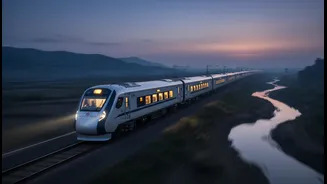
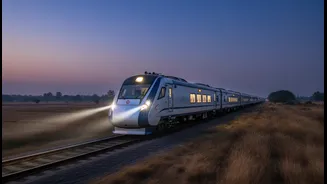
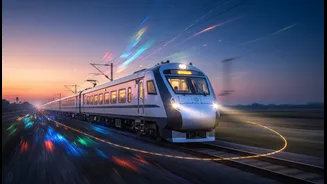
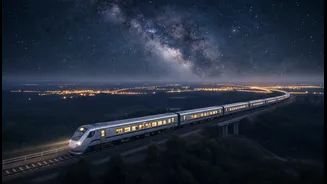
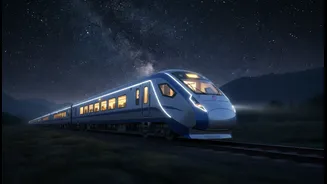
Indian Railways is redefining long-distance travel with the introduction of its Vande Bharat sleeper trains. Following the success of the chair-car versions, these sleeper trains are designed to make overnight journeys faster, more comfortable, and highly
efficient. The first service was inaugurated in January 2026, marking a significant milestone in modernising the country's rail network. These self-propelled trainsets can achieve speeds of up to 160-180 km/h, drastically reducing travel time on key routes and making weekend trips more feasible than ever. The core idea is to transform the journey itself into a restful experience, allowing passengers to leave after work on a Friday and wake up fresh at their destination on Saturday morning.
Comfort and Design on Par with Global Standards
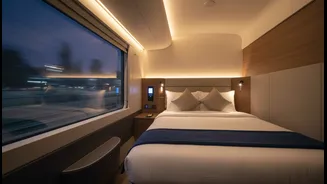
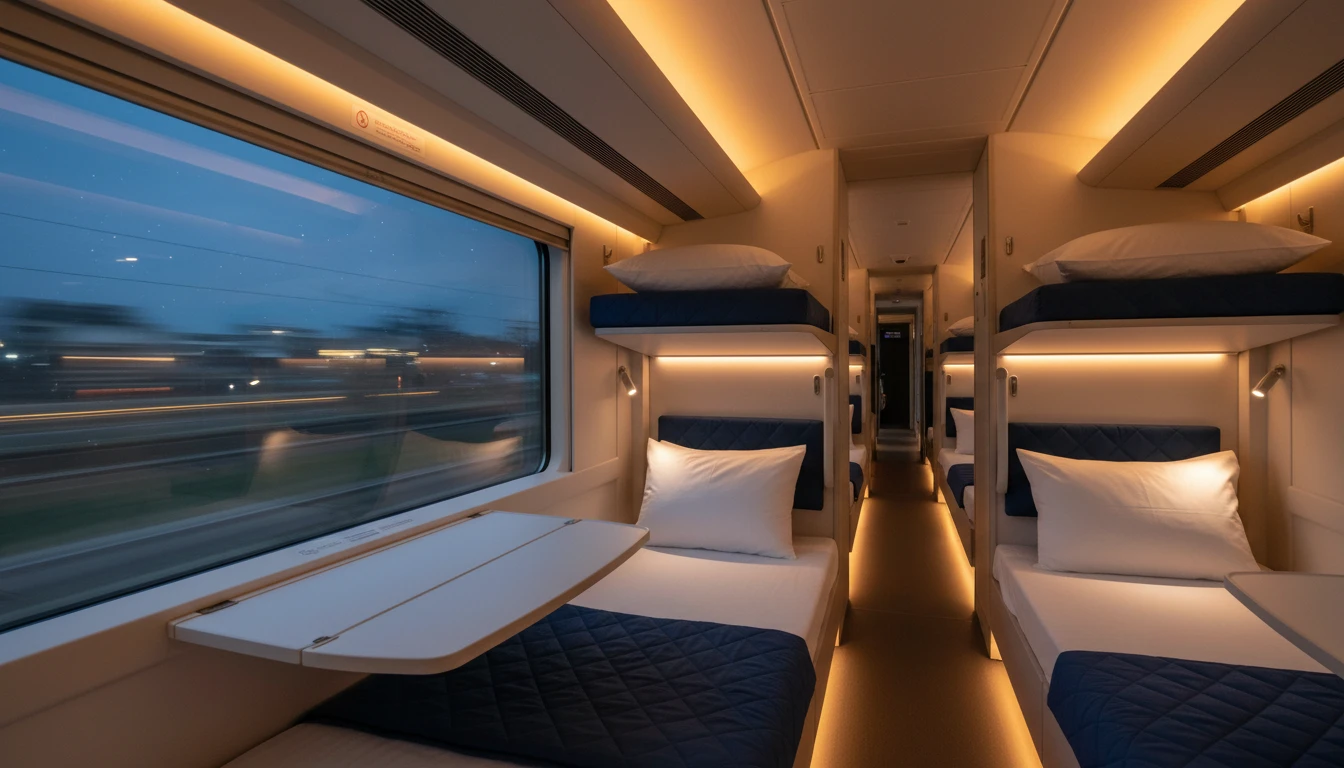
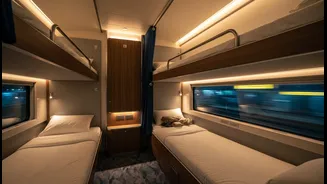
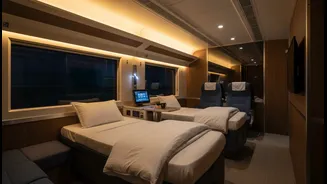
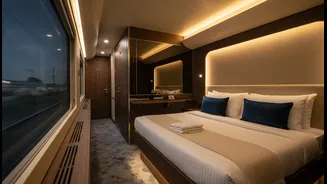
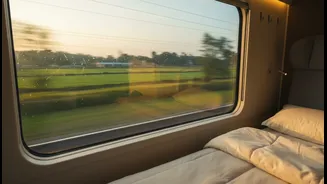
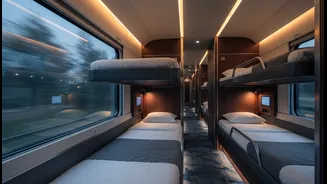
The Vande Bharat sleeper is engineered with passenger comfort as its primary focus. Each 16-coach train can accommodate around 823 passengers across three classes: AC First, AC 2-Tier, and AC 3-Tier. The berths are designed to be wider and better cushioned for superior sleep quality. Ambient lighting, personal reading lamps, and USB charging ports are standard in every berth. A significant upgrade is the train's superior suspension and soundproofing, which ensure a smooth, jerk-free, and quiet ride. For enhanced hygiene, the trains feature bio-vacuum toilets with touchless faucets and advanced odour control systems. First AC passengers even have access to hot shower facilities, a first for Indian Railways.
The Rajdhani Challenger
For decades, the Rajdhani Express has been the gold standard for premium overnight travel in India. The Vande Bharat sleeper is poised to become its modern successor. While Rajdhanis are hauled by locomotives, Vande Bharat trains are self-propelled electric multiple units (EMUs), allowing for quicker acceleration and deceleration. This technology, combined with an aerodynamic design, gives them an edge in operational speed. Beyond speed, the Vande Bharat sleepers boast superior passenger amenities, including automatic plug doors for a quieter, dust-free environment, sensor-based lighting, and advanced safety features like the indigenous 'Kavach' anti-collision system. These upgrades position the Vande Bharat as a more contemporary and comfortable alternative for discerning travellers.
Connecting India for Work and Play
The rollout strategy for Vande Bharat sleepers focuses on high-demand, long-distance routes connecting major metropolitan, economic, and tourist hubs. The inaugural service connected Howrah (West Bengal) and Guwahati (Assam). Shortly after, a second service was launched on the busy Delhi-Patna corridor in July 2026. Several other routes are in the pipeline, with proposals for services connecting Mumbai with Shalimar (West Bengal) and Bengaluru, as well as Tatanagar with Varanasi. Another service connecting Varanasi with Chheharta (Amritsar) was also flagged off in July 2026. This expanding network is set to make destinations more accessible, bolstering domestic tourism and enabling professionals to travel for work without losing a day.