


That spicy, tangy, and uniquely refreshing fizz of jeera soda is a core memory for many. Now, this humble street-side classic is moving beyond nostalgia, sparking fresh conversations about health, cocktails, and the global rise of Indian flavours.
An Unforgettable Flavour Profile
For
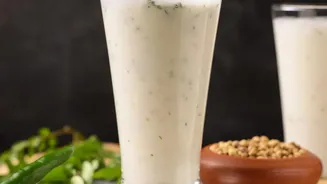
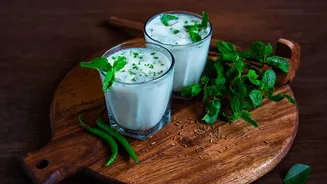
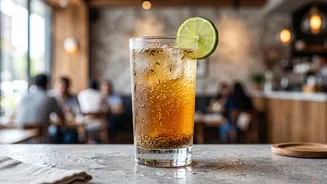
the uninitiated, jeera soda is a carbonated beverage that perfectly balances savoury and sweet. Its foundation is 'jeera', or cumin, which gives it an earthy, aromatic character. This is blended with ingredients like black salt ('kala namak'), chaat masala, and a hint of citrus, creating a complex flavour that is simultaneously tangy, spicy, salty, and subtly sweet. Unlike the straightforward sugary rush of a typical cola, jeera soda offers a layered taste experience that cleanses the palate and leaves a distinctly refreshing aftertaste. It has long been a staple at street-side stalls and a trusted companion to a heavy meal, prized for its role as a digestive aid.
From Street Carts to Supermarket Shelves
The journey of jeera soda from a freshly mixed roadside drink to a packaged consumer good is a story of modern Indian enterprise. While brands like Parle's RimZim introduced a 'masala' soda to a wider audience in the 1980s, the category saw fragmented growth for years. In 2007, Xotik Frujus launched Jeeru, one of the first commercially produced ready-to-drink jeera sodas, which gained a loyal following through word-of-mouth. However, the last decade has seen an explosion in the market. Brands like Lahori Zeera, which famously started from a kitchen experiment in 2017, are now reporting revenues in the millions of dollars. They are joined by a host of national and regional players, including Campa Jeera, Parle Agro's Dhishoom, and Bindu Jeera, each tapping into the drink's nostalgic appeal and convenient new format.
A Healthier Choice in a Shifting Market
A significant driver of jeera soda's new moment is the broader shift in consumer consciousness towards wellness. As people become more wary of high sugar content in traditional soft drinks, they are actively seeking alternatives that feel more natural or functional. Cumin has been used in Ayurvedic and traditional remedies for centuries to aid digestion, reduce bloating, and improve gut health. This perception gives jeera soda a 'health halo' that most other fizzy drinks lack. While it is not a health drink, it is often seen as a 'smarter' choice. This has prompted some brands to even launch zero-sugar versions to appeal directly to the health-conscious consumer.
The Cocktail and Craft Revolution
The conversation around jeera soda is also getting more sophisticated. In urban bars and among mixologists, the drink is finding a new role as a versatile cocktail mixer. Its savoury, spicy profile pairs remarkably well with spirits like gin, tequila, and even whisky, creating uniquely Indian highballs and margaritas. This move from a simple refreshment to a key cocktail ingredient elevates its status and introduces it to a new demographic. Furthermore, the global trend of craft and artisanal beverages has created space for small-batch, premium versions of traditional drinks. This 'craft soda' movement is reviving classic Indian flavours like jeera masala, positioning them as premium alternatives to mass-produced soft drinks.
Challenging the Cola Dominance
The rise of jeera soda is more than just a niche trend; it's a significant disruption in India's massive beverage market. Recent reports indicate that the market share of homegrown 'ethnic beverages' has doubled, while the combined share of global giants Coca-Cola and PepsiCo has seen a notable decline from its near-total dominance. Online delivery platforms have reported staggering increases in orders for cumin-flavoured drinks, highlighting a real shift in consumer purchasing habits. This surge in popularity for flavours rooted in Indian culinary traditions signals a growing confidence and pride in local tastes, proving that the familiar spice rack can produce a formidable challenger on the global beverage stage.