







The Current Situation: A Tale of Five Cities
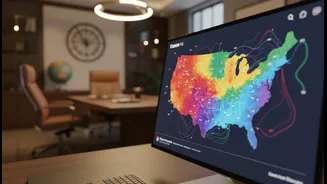
As of mid-July 2026, the wait time for a first-time B1/B2 visitor visa interview varies dramatically depending on the consulate. In major hubs like Mumbai and Hyderabad, applicants are looking at waits of around 9.5 months. New Delhi is slightly better
at approximately 7.5 months. Meanwhile, Chennai shows a wait of about 5.5 months, and Kolkata remains the most accessible, with a queue of around 4 months for a new interview slot. These figures, which have improved from the post-pandemic peak of over 800 days, are still significant and highlight the importance of early planning. Renewals and other visa categories like student (F1) or work (H-1B) visas often have much shorter, prioritized queues.
Why Do Wait Times Fluctuate So Much?
The constant shifting of appointment dates is not random; it's a result of several factors. The primary driver is the immense demand for US visas from India, which consistently outstrips the available processing capacity. Consular staffing levels, seasonal rushes (like the student visa season before the fall semester), and the U.S. Mission's strategic efforts to clear backlogs all play a role. Consulates regularly add new appointment slots as resources become available, which is why a date that seems months away can suddenly be moved closer if you are vigilant. This dynamic system means the wait time you see today could be different tomorrow, making static information obsolete.
The Danger of 'Placeholder' Dates and Screenshots
When you first book an appointment, the system often assigns a distant "placeholder" date, which could be more than a year away. This is not necessarily the date you will end up with. It is simply the next guaranteed slot in the queue. The intention is for applicants to then regularly check the portal for earlier openings that appear due to cancellations or the addition of new slots. This is where screenshots become dangerous. A viral image on WhatsApp or Twitter showing a 500-day wait might have been a real placeholder for one person at one moment, but it’s not a universal truth. Relying on this second-hand information causes unnecessary panic and prevents applicants from finding genuine, earlier opportunities.
Your Strategy: Check, Recheck, and Be Ready
The only reliable source for wait times is the official U.S. Department of State visa appointment service website. After booking your initial placeholder appointment, your most important task is to log in and check the portal for earlier dates frequently. Many successful applicants report checking daily, or even multiple times a day, to secure a closer slot. New appointments can be released at any time. Be prepared by having your DS-160 confirmation and fee receipt handy. When an earlier slot appears, you need to be able to act quickly to reschedule your appointment. Flexibility is key; being open to traveling to a different consulate with a shorter wait time can also be a viable strategy.
The Power of the Interview Waiver
For many, the best way to bypass the interview queue entirely is the interview waiver program, commonly known as the 'dropbox' facility. If you are renewing a visa that is still valid or expired within the last 12 months, you may be eligible to submit your documents without an in-person interview. This process is significantly faster, with processing times often measured in weeks rather than months. Eligibility criteria are strict and have changed since the pandemic-era 48-month window, so it is crucial to verify your specific situation on the official visa scheduling website before assuming you qualify.