



Nature's Answer to Urban Stress
The demand for a connection to nature has never been more urgent. Studies have shown that interacting with indoor plants can reduce psychological and physiological stress. Something as simple as tending to a plant can lower blood pressure and create a sense
of calm. Beyond the mental health benefits, many houseplants are powerful natural air purifiers. Research, famously including a study by NASA, has shown that common indoor plants can filter out volatile organic compounds (VOCs) like formaldehyde and benzene, which are often present in indoor air from furniture, paints, and cleaning products. In polluted urban environments, creating a personal pocket of cleaner air is a significant advantage. Essentially, a green corner is an investment in your well-being, improving your mood, focus, and the very air you breathe.
Find Your Green Zone
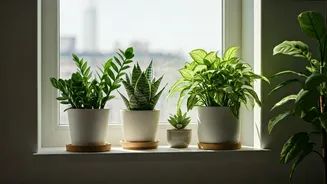
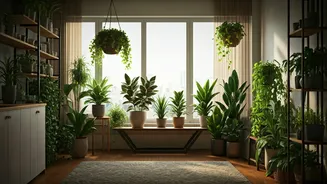
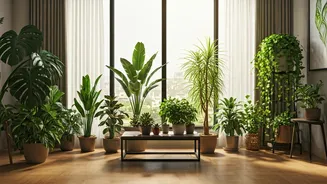
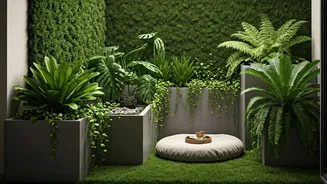
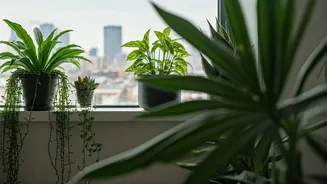
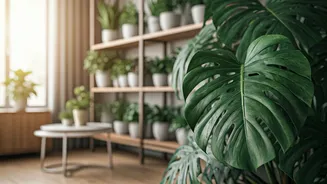
The first step is to identify a suitable space, no matter how small. Look for an underutilised corner of your living room, a slice of your bedroom near a window, or even a section of your kitchen counter. A balcony, even a tiny one, is prime real estate for a green corner. The key is to assess the light. Observe the spot you have in mind throughout the day. Does it get bright, indirect light, a few hours of direct sun, or is it mostly shaded? Most houseplants thrive in bright, indirect light, but many options exist for both low-light and sun-drenched spots. Don't have floor space? Think vertically. A bare wall can be transformed with shelves or wall-mounted planters, creating a lush 'green wall' without sacrificing a single square foot of your living area.
Pick Your Green Companions
For Indian homes, it's crucial to choose plants that can handle the climate and are forgiving for beginners. Here are a few reliable and beneficial options:
Snake Plant (Sansevieria): Often called 'unkillable', this plant is a champion of low maintenance. It tolerates low light and infrequent watering. Uniquely, it releases oxygen at night, making it perfect for bedrooms.
Money Plant (Epipremnum aureum): A staple in many Indian households, this fast-growing vine is incredibly easy to care for and removes common toxins from the air. It can thrive in both soil and water.
Areca Palm (Dypsis lutescens): If you want a tropical vibe, the Areca Palm is an excellent choice. It’s a powerful air purifier and acts as a natural humidifier, which is great for dry, air-conditioned rooms.
ZZ Plant (Zamioculcas zamiifolia): This is another incredibly resilient plant that thrives on neglect. Its glossy, dark green leaves look stylish, and it can survive in very low light, making it ideal for darker corners.
* Peace Lily (Spathiphyllum): Known for its beautiful white blooms and ability to remove pollutants like ammonia and benzene, the Peace Lily is a popular choice. It also tells you when it needs water by drooping its leaves slightly.
Style Your Sanctuary
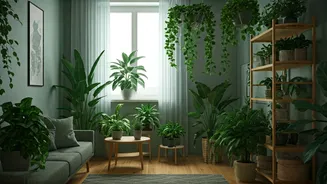
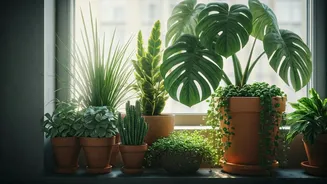
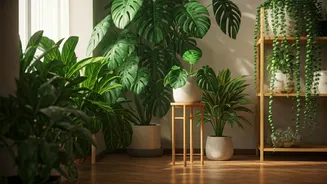
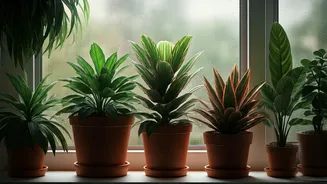
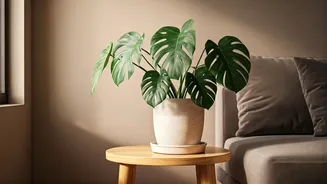
Creating an aesthetic impact is about more than just the plants themselves. Group plants together to create a fuller, jungle-like effect. Play with different heights and textures. Place taller plants like an Areca Palm at the back, with shorter, bushier plants in front. Use plant stands to elevate some pots. Hang trailing plants like Money Plant from macrame hangers or let them cascade from a high shelf. The pots you choose are also part of the decor. Terracotta adds a rustic, earthy feel, while ceramic pots come in countless colours and styles to match your interior. Don't be afraid to mix and match. The goal is to create a composition that feels intentional and brings you joy to look at.
Keep Them Thriving, Simply
The biggest mistake new plant parents make is overcaring, especially overwatering. The golden rule is to check the soil before you water. Stick your finger about an inch into the soil; if it feels dry, it's time to water. If it's damp, wait a few more days. Most low-maintenance plants would rather be too dry than too wet. Ensure all your pots have drainage holes at the bottom to let excess water escape. Occasionally, wipe down the leaves of your plants with a damp cloth to remove dust, which allows them to breathe and absorb light more efficiently. That's it. For most beginner plants, this simple routine is all they need to thrive.