




1. Understand the 'Liquid Gold' Effect
Why is rainwater so much better than the tap water we diligently use? It’s all about chemistry. Rainwater is naturally soft, slightly acidic, and free from the chlorine, chloramine, and mineral salts found in treated municipal water. These chemicals can
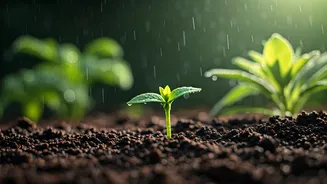
build up in the soil over time, stressing your plants. Rainwater, with a pH between 5.0 and 5.5, is perfect for helping plants absorb nutrients from the soil. It also contains nitrates from the atmosphere, which act as a natural, gentle fertiliser. Switching to rainwater is like upgrading your plants from a basic diet to a gourmet meal.
2. Start with a Simple Harvest
You don't need a complex system to start. The easiest hack is to place a few clean buckets, tubs, or even a large 'kadhai' out in the open during a downpour. To get the purest water, wait about 10-15 minutes after the rain starts before collecting. This 'first flush' washes away dust and pollutants from the air and your roof. If you have a balcony, you can set up a small collection point away from the building's edge to avoid dirty runoff. Simplicity is key; the goal is to just get started.
3. Give Your Houseplants a 'Rain Spa'
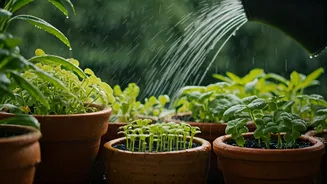
One of the most shared hacks involves giving your indoor plants a spa day. During a gentle, steady rain (not a torrential downpour), take your potted houseplants outside. The rainwater will not only give their roots a drink of pure, nutrient-rich water but will also wash the dust off their leaves. Clean leaves are more efficient at photosynthesis, leading to healthier, more vibrant plants. This process also helps flush out any accumulated salts from tap water and fertiliser in the potting mix, effectively resetting the soil.
4. Master Smart Storage
Collecting rainwater is one thing; storing it correctly is another. To prevent mosquitoes from breeding and algae from growing, always store your collected water in a container with a secure lid. Opaque containers are better than clear ones as they block sunlight, which inhibits algae growth. A drop or two of neem oil can also help deter pests without harming your plants. For urban gardeners with limited space, consider collapsible water barrels or even a series of smaller, covered buckets that can be stacked or tucked away.
5. Target the Right Plants
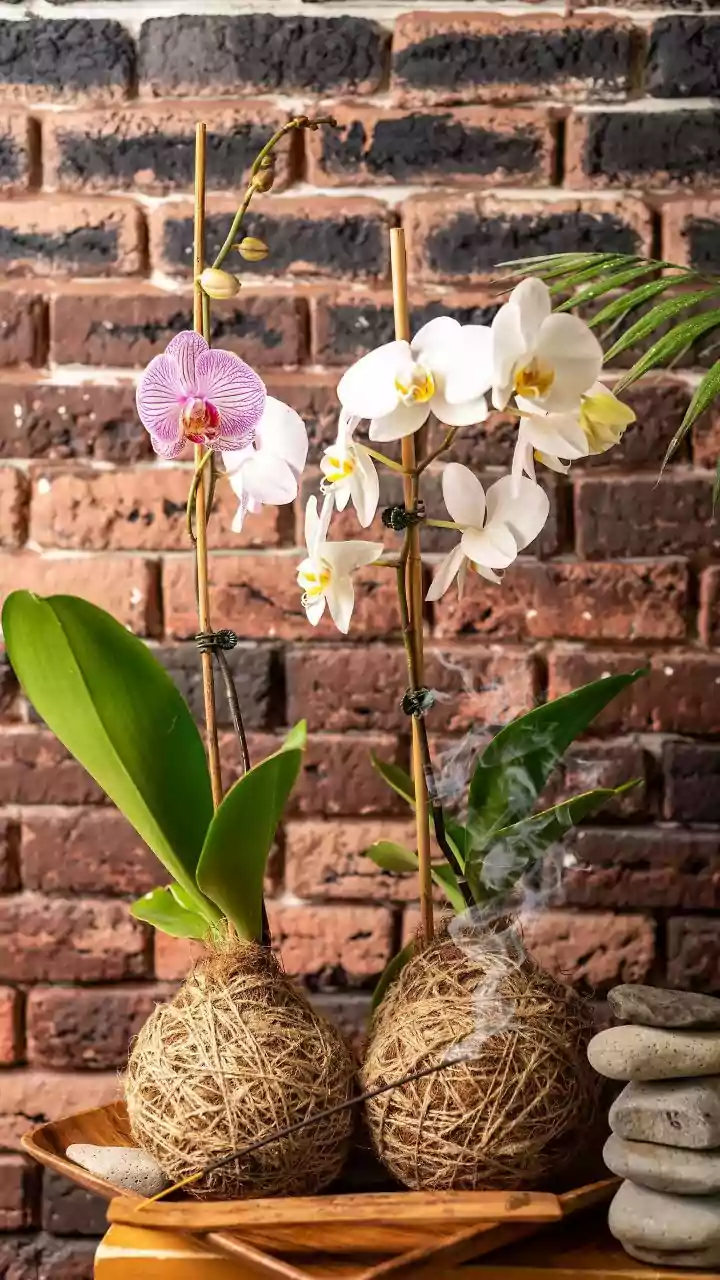
While almost all plants benefit from rainwater, some are particularly sensitive to tap water and will show dramatic improvement. Acid-loving plants like ferns, calatheas, carnivorous plants, and orchids thrive on the lower pH of rainwater. If you've struggled with crispy-edged calatheas or stubborn orchids that won't bloom, switching to rainwater could be the game-changer you need. These plants are native to environments where they receive only rainwater, so you're simply recreating their natural conditions.
6. Make a 'Rainwater Tea'
Elevate your watering routine by creating a nutrient-rich 'tea'. Once you have a good supply of rainwater, use it as a base for your organic fertilisers. Instead of mixing your compost or vermicompost concentrate with tap water, use rainwater. The absence of chlorine means you won't harm the beneficial microbes in the fertiliser. This ensures that your plants get the maximum benefit from the organic feed, leading to more robust growth, healthier roots, and better flowering and fruiting.