






What Exactly Is Sorghum?
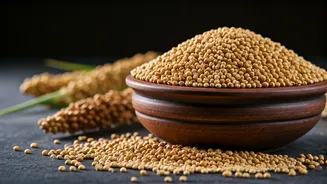
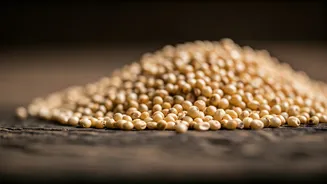
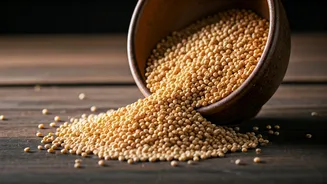
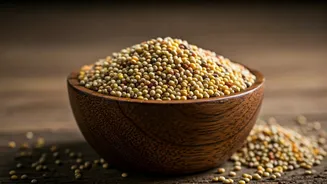
Sorghum is a cereal grain that has been a staple food in parts of Africa and Asia for thousands of years. Though it's the fifth-most popular grain grown globally, it's only recently gained traction in Indian kitchens as a powerful health food. This versatile
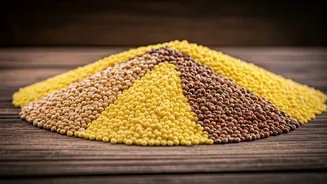
grain is naturally gluten-free and can be cooked like rice or quinoa, ground into flour for baking, or even popped like popcorn. It comes in various colours, including white, red, and black, with the darker varieties boasting particularly high levels of beneficial plant compounds. With its mild, slightly nutty flavour and satisfyingly chewy texture, it's an easy and adaptable ingredient to welcome into your kitchen.
A Nutritional Powerhouse
The “smart swap” claim in the headline is backed by an impressive nutritional profile. Sorghum is an excellent source of plant-based protein, providing as much as quinoa, and is packed with dietary fibre, which helps keep you feeling full longer and aids in digestion. It’s also rich in essential minerals like iron, magnesium, phosphorus, and zinc. Furthermore, sorghum is loaded with antioxidants, particularly phenolic compounds, flavonoids, and tannins, which help fight inflammation and reduce oxidative stress in the body. Some studies show that certain varieties of sorghum have higher antioxidant activity than many other grains and even some fruits.
Sorghum vs. Your Usual Breakfast
Compared to common breakfast cereals like wheat or oats, sorghum stands out for several reasons. Firstly, it is naturally gluten-free, making it a safe and healthy option for individuals with celiac disease or gluten sensitivity. While oats are often gluten-free, cross-contamination can be an issue if not certified. Sorghum's complex carbohydrates and high fibre content can also contribute to a lower glycemic index compared to some refined grains, meaning it may lead to a slower, more sustained release of energy. Studies on whole grain sorghum have found it has a moderate glycemic index. This can help you avoid the mid-morning slump that often follows a sugary breakfast.
How to Prepare Sorghum for Breakfast
Cooking whole grain sorghum is simple, though it takes longer than oats. The basic method involves simmering one part sorghum with three parts water or milk. Start by rinsing the grains thoroughly. In a pot, bring the liquid and grains to a boil, then reduce the heat, cover, and simmer for 45 to 60 minutes, or until tender and chewy. To shorten the cooking time, you can soak the grains overnight. For a creamier, more porridge-like consistency, you can use sorghum flour. Simply whisk the flour with cold water to make a paste before stirring it into boiling water and simmering for 10-15 minutes until it thickens.
Easy Morning Meal Ideas
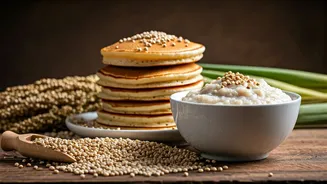
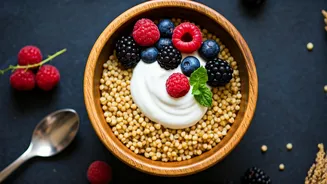
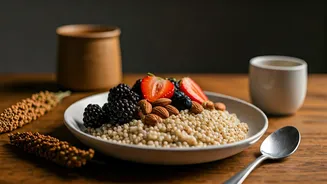
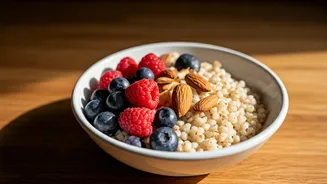
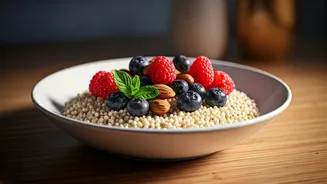
The easiest way to enjoy sorghum for breakfast is as a warm porridge. Once cooked, stir in your favourite additions like cinnamon, maple syrup, or vanilla. Top your bowl with fresh fruit, nuts, and seeds for added texture and nutrients. You can make a large batch of cooked sorghum at the start of the week and simply reheat individual portions for a quick breakfast. Cooked and cooled sorghum grains can also be added to smoothie bowls for extra fibre and protein, or mixed with yoghurt and fruit to create a hearty breakfast parfait. Its chewy texture makes it a satisfying base that pairs well with almost any flavour.