




Why Cats Crave Height
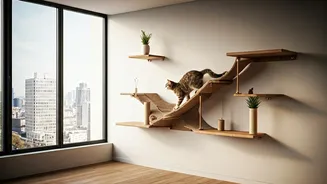
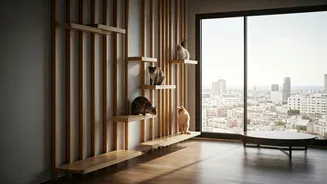
Before you dismiss it as just another quirky cat habit, understand the deep-seated instinct behind your cat’s desire to get up high. In the wild, their ancestors used elevation for survival. A high vantage point allows a predator to survey its territory
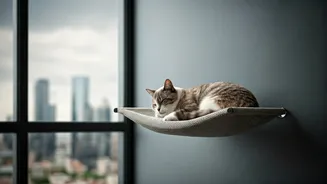
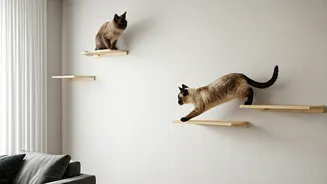
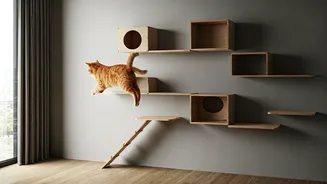
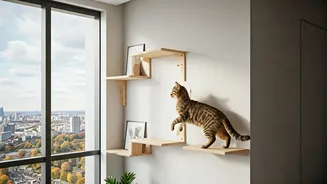
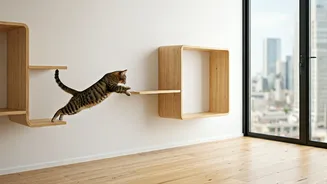
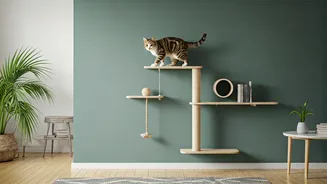
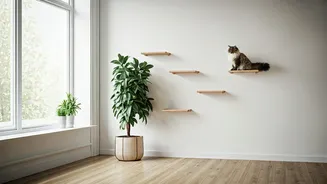
for potential prey and, just as importantly, to spot incoming threats. For a domestic cat, this translates into a feeling of security and control. Being elevated reduces stress because they can see what’s coming and feel safely removed from the hustle and bustle of the household, including other pets or small children. Providing this vertical territory isn’t just a luxury; it’s a crucial component of environmental enrichment that can help prevent behavioural issues like anxiety, aggression, or territorial marking. By giving your cat a 'superhighway' of shelves, trees, and perches, you’re speaking their language.
The Window Hammock Solution
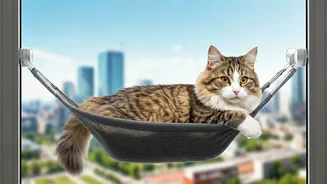
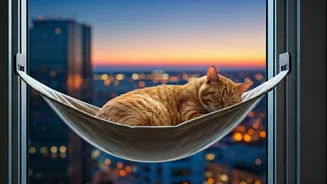
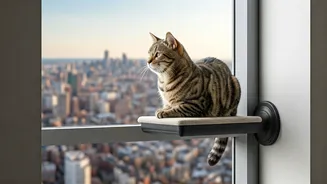
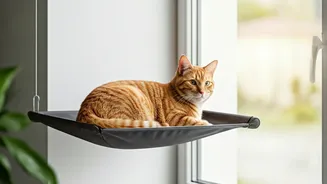
A window-mounted cat hammock is one of the most efficient ways to provide this coveted vertical space without sacrificing floor space. These perches attach directly to a window or a window frame, giving your cat a front-row seat to the world outside—a form of feline entertainment often called 'cat TV'. This stimulation is invaluable, especially for indoor-only cats, as it engages their minds by providing a constantly changing view of birds, people, and weather. There are two primary types of window hammocks: those that use large suction cups to adhere to the glass, and those that use tension or are screwed into the window sill or frame. Suction cup models are by far the most popular due to their ease of installation and lack of permanent damage to your home.
Choosing a Secure Hammock
Not all hammocks are created equal, and safety is paramount. A fall could not only injure your cat but also make them fearful of perches forever. When shopping, prioritise security and durability. First, check the weight limit and be honest about your cat’s size—if you have a hefty Maine Coon or multiple cats who like to cuddle, you need a model rated for higher weight. Look for hammocks with large, industrial-strength suction cups, often with a locking mechanism. These provide a much more reliable hold than simple, small cups. The frame should be sturdy, typically made of strong PVC pipes or wood, and the fabric sling should be durable and, ideally, machine washable for easy cleaning.
Installation is Everything
The single most common point of failure for these hammocks is improper installation. Do not rush this step. First, thoroughly clean the window glass with an alcohol-based cleaner to remove any film or residue that could interfere with the suction. Make sure the glass is completely dry. Next, clean the suction cups themselves. Many manufacturers recommend soaking them in warm water for a few minutes to make them more pliable and improve their seal. Press each cup firmly against the glass, pushing out all the air from underneath. If your model has locking levers or knobs, engage them. Before you let your cat test it out, give it a firm tug yourself. It’s also wise to place a soft rug or cushion underneath the hammock for the first few days as an extra precaution while the suction cups fully set.
Encouraging Your Cat to Use It
Some cats will leap into a new hammock immediately, while others are more suspicious of new furniture. Patience is key. Never force your cat onto the perch. Instead, make it an appealing destination. Place their favourite soft blanket on the hammock to make it smell familiar and inviting. Lure them up with a few high-value treats or a sprinkle of catnip. You can also engage them in a play session with a wand toy, ending the game by landing the 'prey' on the hammock. Keep the initial experiences short and positive. Once your cat understands that this new perch is a safe, comfortable spot with the best view in the house, it will likely become their new favourite place to nap and watch the world go by.