


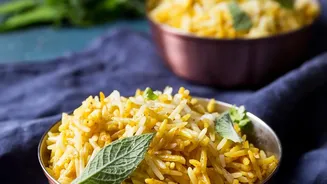

Craving a comforting, flavourful one-pot meal but don't want to run to the store? Vegetable pulao is the answer. This classic Indian rice dish is surprisingly easy to whip up with staple ingredients you likely already have on hand.
The Heart of a Good Pulao
At its core, vegetable
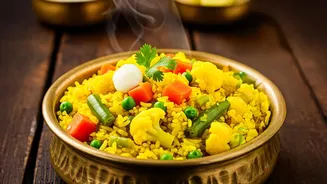
pulao is a simple yet elegant dish of aromatic basmati rice cooked with mixed vegetables and a gentle blend of whole spices. Unlike a complex biryani, a good pulao is subtle, fragrant, and comes together quickly, making it a perfect weeknight dinner or a reliable lunchbox favourite. The magic lies in cooking everything in one pot, allowing the rice to absorb the flavours of the spices and the sweetness of the vegetables. The goal is to achieve fluffy, separate grains of rice that are perfectly cooked, not mushy or sticky.
Your Pantry's All-Star Team
The beauty of pulao is its reliance on pantry staples. The non-negotiable foundation includes long-grain basmati rice, onions, cooking oil or ghee, and a few basic whole spices. Aged basmati rice is highly recommended because it cooks up into long, separate grains. Most Indian kitchens will have the essential aromatics: ginger-garlic paste (fresh is best!), and whole spices like cumin seeds, bay leaves, cinnamon, cloves, and green cardamom. These form the flavour base that makes the dish unmistakably a pulao.
The Vegetable Question: Be Flexible
This is where you can get creative based on what's in your fridge or freezer. There are no strict rules. The most common and pantry-friendly vegetables for pulao are potatoes, carrots, and green beans. Frozen peas are a classic addition and require no prep time. Don't be afraid to experiment with what you have. Small cauliflower florets, bell peppers (capsicum), or even sweet corn can be excellent additions. The key is to chop heartier vegetables like potatoes and carrots into smaller, even-sized pieces so they cook at the same rate as the rice.
Step-by-Step to Pulao Perfection
1. Prep Your Rice: The most crucial first step is to properly prepare your rice. Rinse one cup of basmati rice under cool water until the water runs clear. Then, soak the rice in water for at least 20-30 minutes. This helps the grains cook evenly and prevents them from breaking. Drain it thoroughly before you start cooking. 2. Bloom the Spices: Heat two tablespoons of ghee or oil in a heavy-bottomed pot or pressure cooker over medium heat. Add your whole spices (a bay leaf, a small stick of cinnamon, 2-3 cloves, and 2-3 cardamom pods) and a teaspoon of cumin seeds. Sauté for about 30 seconds until they become fragrant. 3. Sauté the Aromatics and Veggies: Add one thinly sliced onion and sauté until it becomes soft and translucent, but not browned. Add a tablespoon of ginger-garlic paste and cook for another minute until the raw smell disappears. Now, add your chopped mixed vegetables and sauté for another 2-3 minutes. 4. Combine and Cook: Add the drained rice to the pot and gently stir for a minute to coat the grains in the spiced oil. Pour in the water—a general rule is a 1.5:1 ratio of water to rice, so for 1 cup of rice, use 1.5 to 1.75 cups of water. Add salt to taste. Bring the water to a rolling boil, then reduce the heat to low, cover the pot tightly, and let it simmer for about 10-15 minutes, or until all the water is absorbed. 5. The All-Important Rest: This step is a secret to fluffy pulao. Once cooked, turn off the heat but do not open the lid. Let the pulao rest for at least 10 minutes. This allows the residual steam to finish cooking the rice evenly and ensures every grain is perfectly tender and separate. After resting, gently fluff the rice with a fork before serving.
Tips for Success
For an even richer flavour, you can replace some of the water with thin coconut milk or vegetable stock. Don't skip the fresh herbs if you have them; a handful of chopped mint or coriander leaves added with the vegetables can elevate the aroma significantly. When sautéing, be gentle and avoid over-stirring the rice once the water is added, as this can release starch and make the pulao sticky. Finally, taste your water for salt before you cover the pot to cook; it should taste slightly saltier than you'd like, as the rice will absorb the salt and balance it out.