


The 5 p.m. scramble is a familiar scene for many working couples. The day's meetings are done, but the biggest question remains: 'What's for dinner?' This daily decision fatigue often leads to expensive takeaways or repetitive, uninspired meals.
More Than Just Leftovers
Batch
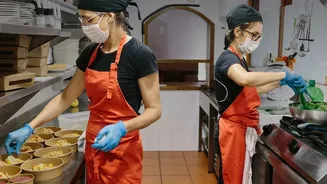
cooking is the simple practice of preparing meals or meal components in larger quantities to be used over several days. For busy couples, this is more than a time-saver; it’s a strategy to reclaim your weeknights. Dedicating a few hours over the weekend to cook can free up hours during the week, reduce the stress of daily cooking, and significantly cut down on food expenses. Studies have shown that people who cook most of their meals at home tend to eat healthier, consuming fewer calories, less sugar, and more fruits and vegetables. It transforms 'leftovers' from a repeat of last night’s dinner into a bank of delicious components ready to be assembled into something new and exciting.
Cook Components, Not Just Meals
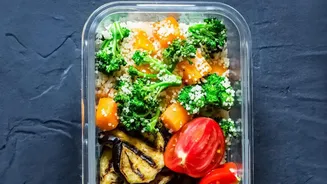
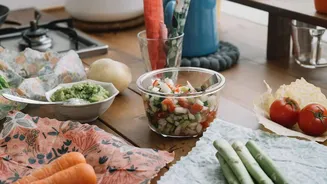
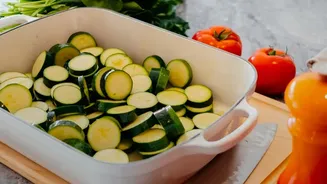
The secret to successful batch cooking without getting bored is to focus on versatile components rather than entire pre-plated meals. Think of it as creating your own personal meal kit. A Sunday afternoon could be spent making a large pot of tadka dal, grilling chicken, roasting a tray of mixed vegetables, and cooking a batch of quinoa or jeera rice. These elements can be mixed and matched throughout the week. That grilled chicken can be shredded for sandwiches on Monday, added to a fresh salad on Tuesday, and stirred into a quick curry on Wednesday. This approach allows for flexibility and caters to individual preferences, as each person can build their own bowl or plate.
Your Batch Cooking Game Plan
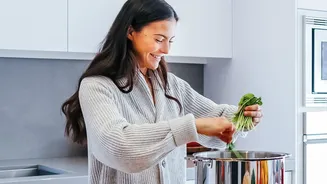
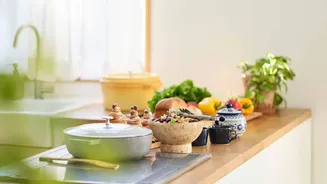
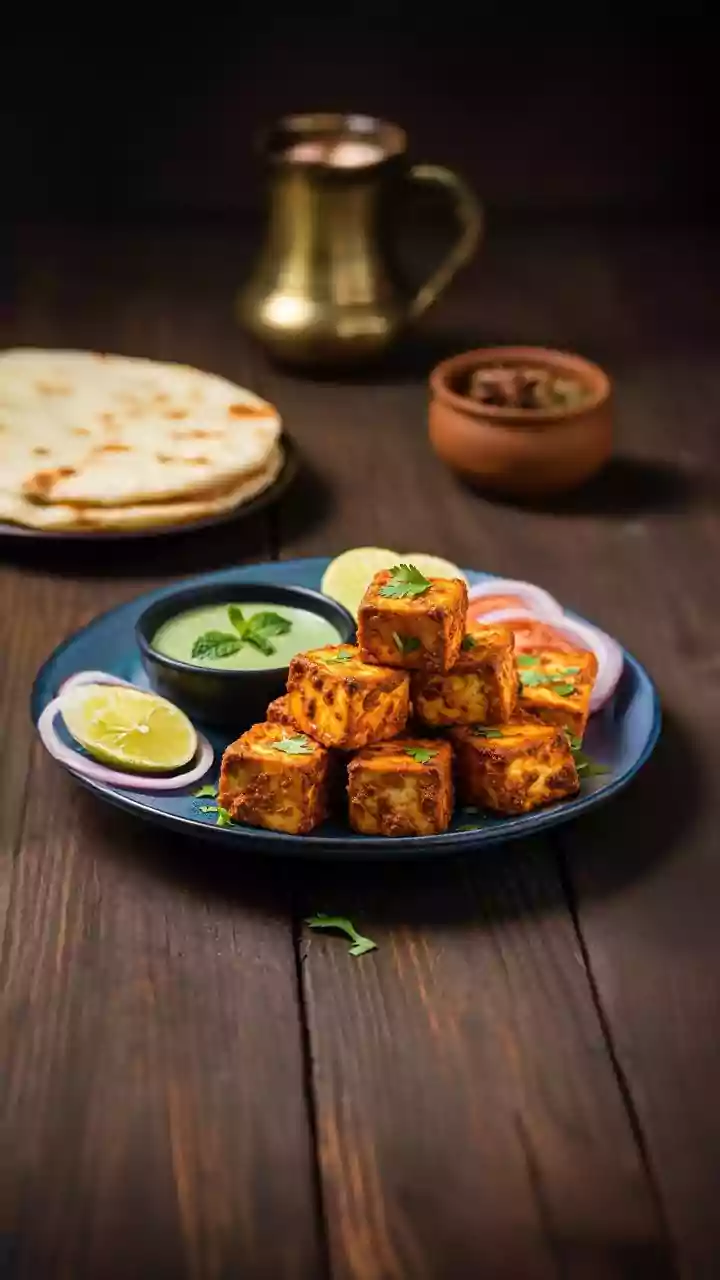
Getting started doesn't have to be overwhelming. Begin by planning two or three recipes for the week. Choose dishes that share common ingredients to simplify your shopping list. Once you have your plan, create a detailed grocery list. Set aside a specific block of time for cooking—for most, a Sunday afternoon works best. Start with the items that take the longest, like grains or legumes. While they simmer, you can chop vegetables, prepare marinades, or make a versatile curry base. This onion-tomato masala, for instance, is a staple in many Indian households and can be the foundation for numerous dishes, from chana masala to paneer butter masala, saving immense time on busy weeknights.
Smart Storage for Fresh Flavours
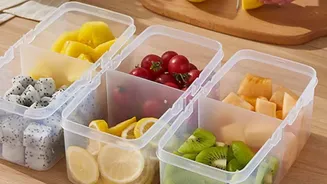
Proper storage is crucial for keeping your batch-cooked food safe and delicious. Invest in a good set of airtight containers, preferably glass, as they don't stain and are great for reheating. Always let food cool down before refrigerating or freezing to prevent bacterial growth and sogginess. Aim to refrigerate leftovers within two hours of cooking. Label containers with the contents and the date to keep track of what you have. Most cooked meals will last for 3–4 days in the refrigerator. For anything you won't eat within that window, the freezer is your best friend. Soups, stews, chillies, and cooked grains freeze particularly well.
Reheating and Reimagining Your Meals
When it's time to eat, reheating correctly makes all the difference. For soups, stews, and curries, the stovetop is often best. Add a splash of water or broth to loosen the consistency as it heats. For grains and roasted vegetables, a microwave or oven works well. To prevent food from drying out in the microwave, cover it with a damp paper towel. The key is to reheat food until it's steaming hot throughout, reaching an internal temperature of at least $74^oC$ (165°F) to ensure it's safe to eat. This is where the fun begins. Combine your pre -cooked rice with black beans, corn, and a protein for a quick burrito bowl. Use your base vegetable sabzi as a filling for wraps or toasted sandwiches. The possibilities are endless when your fridge is stocked with building blocks instead of just finished meals.