

Squats and lunges are powerhouse exercises for building strong legs, but they can be intimidating. If you've struggled with form or find them too challenging, you're not alone. The key is starting with modifications that build a solid foundation.
The Foundation of Leg Strength
Squats
and lunges are celebrated for a reason. They are compound exercises, meaning they work multiple muscle groups at once, making them incredibly efficient. Primarily, they target the quadriceps (front of the thighs), glutes (buttocks), and hamstrings (back of the thighs). Lunges go a step further by challenging your balance and engaging smaller stabilizing muscles in your hips and core. Building strength in these areas isn't just about aesthetics; it's about functional fitness. Strong legs power daily movements like climbing stairs, lifting objects, and simply getting up from a chair. By incorporating both squats and lunges into your routine, you create a well-rounded approach to lower-body strength.
Mastering the Basic Bodyweight Squat
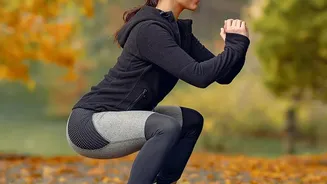
Before you can modify, you need to understand the goal. A proper bodyweight squat starts with your feet slightly wider than your hips, with toes pointed slightly outward. Keeping your chest up and back straight, initiate the movement by pushing your hips back as if you're about to sit in a chair. Lower yourself until your thighs are ideally parallel to the floor, ensuring your knees track in line with your feet and don't collapse inward. Your heels should remain on the ground throughout the movement. Push through your heels to return to the starting position. Common mistakes include rounding the back, letting the knees cave in, and lifting the heels.
Beginner-Friendly Squat Modifications
If the full squat feels out of reach, these modifications are your perfect starting point. The goal is to build strength and confidence with a supported range of motion. Chair Squats (or Box Squats): This is the best way to learn the movement pattern safely. Stand in front of a sturdy chair or box. Perform the squat motion, lowering your hips until you lightly tap the surface, then stand back up. This provides a safety net and ensures you're pushing your hips back correctly. Wall Sits: This is an isometric exercise, meaning you hold the position. Slide your back down a wall until your thighs are parallel to the floor, with your knees bent at a 90-degree angle and positioned directly above your ankles. Hold this position to build endurance in your quads and glutes without the strain of movement. Partial Squats: Simply reduce your range of motion. Instead of going to parallel, lower yourself only halfway or as far as you can comfortably go while maintaining proper form. This allows you to build strength in a pain-free range before progressing deeper.
Perfecting the Lunge
Lunges are unilateral, working one leg at a time, which is fantastic for improving balance and addressing muscle imbalances. To perform a basic forward lunge, stand with your feet hip_width apart. Step forward with one leg, lowering your hips until both knees are bent at approximately a 90_degree angle. Your front knee should be directly over your ankle, not pushed out past your toes, and your back knee should hover just above the ground. Keep your torso upright and your core engaged. Push off your front foot to return to the start. The biggest challenges for beginners are maintaining balance and preventing the front knee from collapsing inward.
Gentle Lunge Variations for Beginners
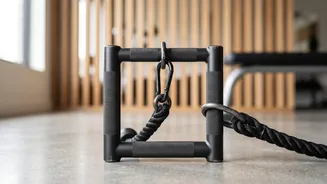
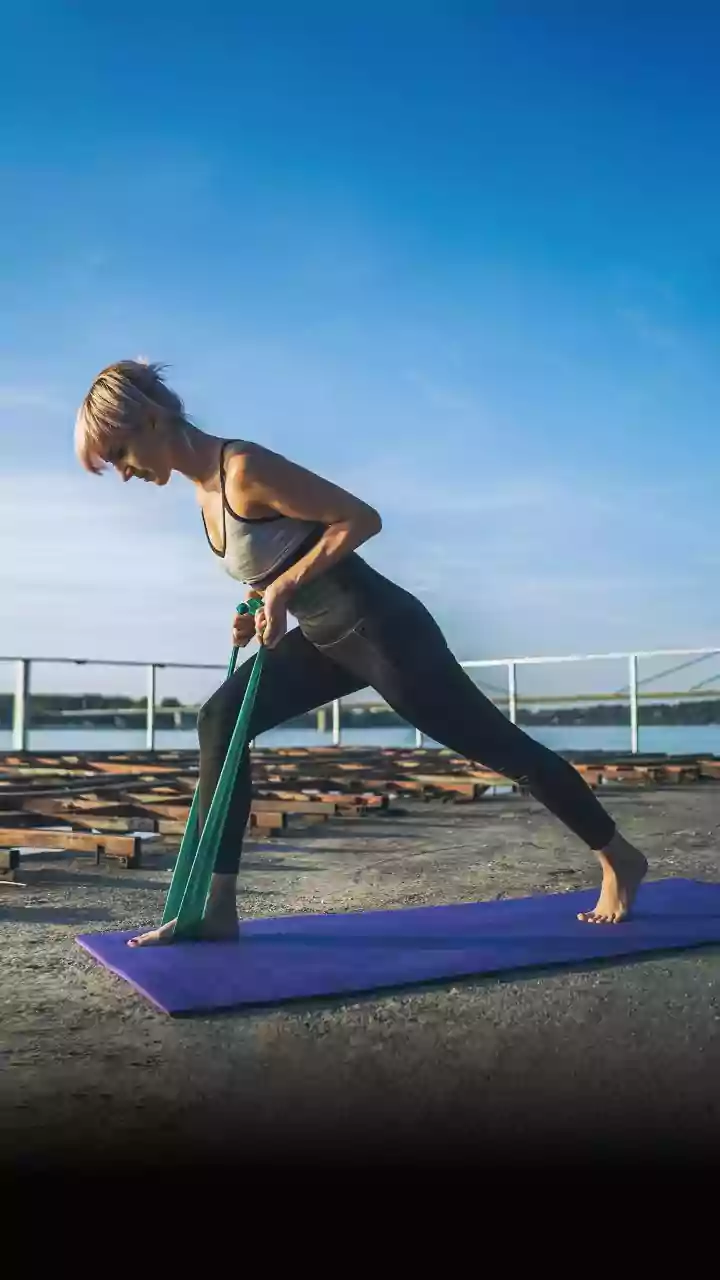
Because lunges require significant balance and control, starting with modified versions can prevent frustration and injury. Static Lunges (or Split Squats): This removes the challenge of stepping forward and back. Start with your feet already in the staggered lunge position. From here, simply lower your body straight down and push back up. This allows you to focus purely on the up_and_down motion and your form. Reverse Lunges: Many beginners find stepping backward easier and gentler on the knees than stepping forward. The movement is the same, but you initiate it by taking a large step back with one foot and lowering into the lunge. This variation offers more control over the movement. Assisted Lunges: Use a wall, chair, or suspension trainer for support. Lightly holding onto something stable helps you maintain balance as you get used to the movement pattern. This external support allows you to focus on achieving the correct depth and alignment without wobbling.