


More Than Just Birds and Monkeys
Scientists have long understood that animals are vital to forest health. By eating fruits and depositing the seeds elsewhere, a process called zoochory, they act as nature’s gardeners. Until recently, however, the focus has largely been on well-known
fruit-eaters (frugivores) like birds, bats, and primates. A comprehensive study conducted in central Panama has dramatically expanded this picture. Researchers examined regenerating tropical forests ranging from 20 to 100 years old to see which animals were bringing seeds back to deforested areas. The results were surprising and underscored that natural regeneration, aided by animals, can be a more cost-effective and efficient method of reforestation than planting seedlings by hand. In tropical forests, more than 80% of tree species rely on animals for dispersal, making these interactions fundamental for ecosystem recovery.
The Unexpected Seed Spreaders
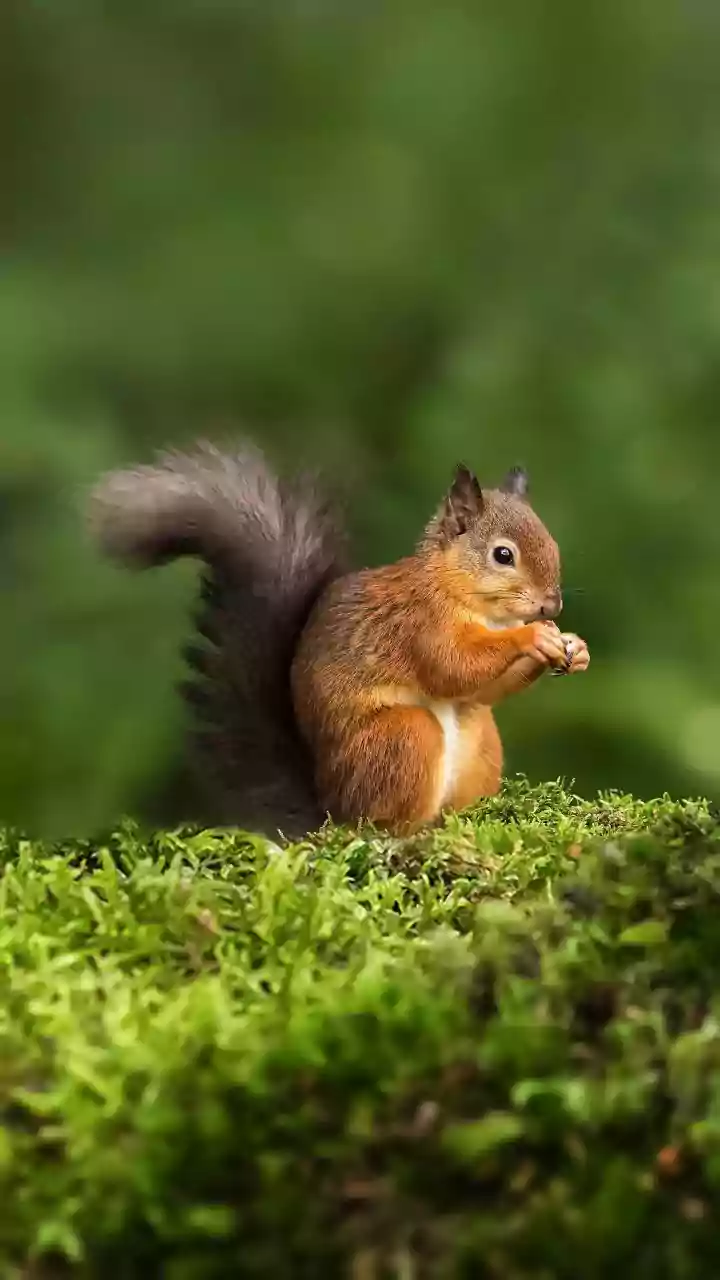
The study's most fascinating revelation was the sheer variety of animals involved, many of which are not typically seen as fruit-eaters. While birds and bats are indeed important, especially in the early stages of forest regrowth, the research highlighted the massive role of ground-dwelling mammals. This is significant because many previous studies in regenerating forests found low numbers of these animals. Other research has pointed to an even more surprising list of helpers. Studies in Brazil found that fish, like the piranha-like pacu, munch on fruits that fall into the water and spread seeds along river systems, especially during flood seasons. Even apex predators play an indirect role. A 2016 study found that cougars in Argentina helped disperse seeds by eating prey like doves, which had seeds in their digestive tracts. From elephants to earthworms, the list of species contributing to this vital service is far longer than we ever imagined.
The Critical Role of Animal Gardeners
Seed dispersal is more than just moving a seed from point A to point B. When an animal eats a fruit, the journey through its digestive system often prepares the seed for germination. The seed is then deposited in a new location, complete with a small amount of fertilizer. This process is crucial for several reasons. It allows plants to colonize new areas, escape competition for sunlight and nutrients with their parent plant, and maintain genetic diversity. A study published in the journal Science found that the loss of seed-dispersing birds and mammals has already reduced the ability of plants to keep pace with climate change by a staggering 60%. When the largest animals disappear from an ecosystem, the trees with the largest seeds often lose their primary means of dispersal, which can fundamentally alter the forest's composition and its ability to store carbon.
Rethinking Forest Conservation
The key takeaway from this growing body of research is that forest restoration is not just about planting trees. To truly rebuild a healthy, resilient ecosystem, we must restore the intricate web of interactions between plants and animals. The Panama study found that the presence of nearby, intact old-growth forests and low hunting pressure were critical factors, as they allowed healthy animal populations to thrive and move into regenerating areas. This suggests that conservation strategies must be holistic. Creating wildlife corridors, protecting existing animal populations, and even reintroducing key species are just as important as planting saplings. Recognizing animals as our greatest allies in reforestation fundamentally changes the approach, shifting the focus from simply increasing tree cover to reestablishing the functions that make a forest a living, breathing system.