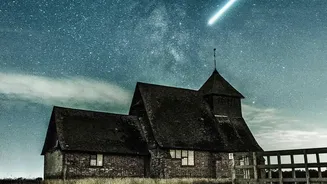







A Celestial Spectacle Explained
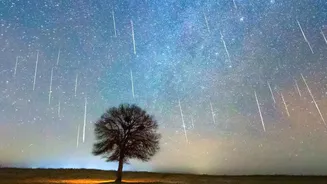
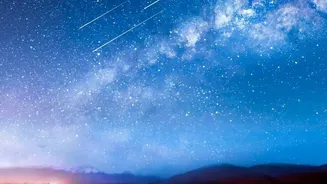
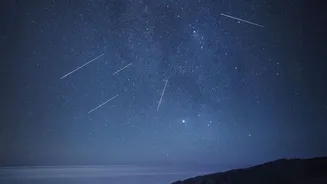
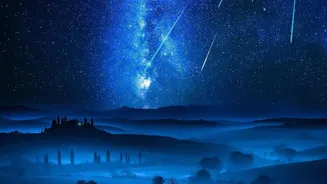
Meteor showers are cosmic light shows that occur when Earth passes through a trail of debris left behind by a comet or asteroid. As these tiny particles, some no bigger than a grain of sand, enter our atmosphere at high speeds, they burn up and create
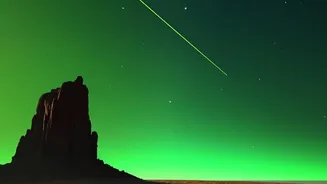
brilliant streaks of light we call 'shooting stars'. The Perseids and Orionids are two of the most reliable and spectacular showers of the year. The Perseids are debris from Comet Swift-Tuttle, while the Orionids originate from the famous Halley's Comet. Both are known for producing bright, fast meteors that can leave glowing trails in their wake.
Your Autumn 2026 Stargazing Calendar
While the headline mentions both, timing is everything. The Perseid meteor shower peaked on the nights of August 12-13, 2026. It was a fantastic year for the Perseids as the peak coincided with a New Moon, creating perfect dark-sky conditions. If you missed it, don't worry—the main event for this autumn is still ahead. The Orionid meteor shower is active from October 2 to November 7. For 2026, the peak nights to watch are October 21 and 22. This year's Orionid shower will occur around the time of a New Moon, promising excellent dark conditions for viewing, with experts suggesting observers could see 15 to 25 meteors per hour in a dark location. The best time to watch will be in the hours after midnight until dawn, when the constellation Orion is high in the sky.
How to Prepare for a Night Under the Stars
You don’t need any special equipment to enjoy a meteor shower. In fact, they are best viewed with the naked eye, as telescopes or binoculars limit your field of view. The key is to find a comfortable spot away from any direct lights. Give your eyes at least 20-30 minutes to fully adapt to the darkness; this means avoiding looking at your bright phone screen. Pack a blanket or a reclining chair to lie back comfortably and look straight up. Even in autumn, nights can get chilly in open areas, so dressing in layers and bringing warm clothing is a good idea. Patience is crucial—meteors appear in spurts, so give yourself at least an hour of viewing time.
Best 'Non-Metro' Stargazing Havens
The single most important factor for good stargazing is getting away from city light pollution. Luckily, India has numerous destinations perfect for this celestial escape. For those in the north, Spiti Valley in Himachal Pradesh and areas around Jaisalmer in Rajasthan offer incredibly clear desert skies. The high-altitude desert of Ladakh is home to Hanle, India's first official Dark Sky Reserve, offering some of the best possible views in the country. For those in the south, the coffee plantations of Coorg in Karnataka provide dark pockets away from city sprawl. The vast, flat expanse of the Rann of Kutch in Gujarat is another surreal location, where the horizon feels endless. Even a few hours' drive from major cities like Delhi or Mumbai can lead to significantly darker skies in places like the Aravalli Hills or the Western Ghats near Pune.
Pro-Tips for an Unforgettable Experience
To make the most of your stargazing trip, check the weather forecast beforehand; clouds are the ultimate showstopper. Use a light pollution map online to find the darkest spots near you. While meteors can appear anywhere in the sky, they will all seem to originate from a single point called the radiant. For the Orionids, this point is in the constellation Orion. You don't need to stare at the radiant, but facing its general direction can be helpful. For a truly immersive experience, turn your phone to flight mode to avoid distractions. Pack some snacks and a warm drink to stay comfortable while you wait for the cosmic fireworks to begin.