

What is Sattu, Anyway?
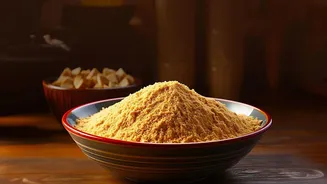
Often called the 'poor man's protein,' sattu is a flour made from roasted grains, most commonly Bengal gram (chana). This isn't the same as besan, which is made from raw gram. The roasting process is key; it gives sattu a distinct nutty flavour, makes
it easier to digest, and preserves its rich nutritional profile. For generations, it has been a staple in states like Bihar, Uttar Pradesh, and Punjab, where it's traditionally mixed into a simple, cooling drink to fuel long days of physical labour. Its convenience is its superpower—no cooking required, just mix and consume.
The Post-Workout Powerhouse
For anyone serious about fitness, the post-workout window is crucial for recovery and muscle growth. This is where sattu truly shines. A 100-gram serving packs a mighty 20-25 grams of plant-based protein, making it a formidable natural alternative to many commercial protein powders. This protein is vital for repairing the micro-tears in muscles that occur during exercise. Beyond protein, sattu is loaded with complex carbohydrates that provide sustained energy to replenish depleted glycogen stores without a sugar crash. It's also rich in dietary fibre, which aids digestion and keeps you feeling full longer, preventing unhealthy snacking after a tough session.
More Than Just Protein
The benefits don't stop at macros. Sattu is a treasure trove of essential micronutrients that are especially important after a workout. It delivers a healthy dose of iron, magnesium, and calcium. Magnesium aids in muscle and nerve function, while iron helps in replenishing energy levels. Traditionally consumed as a drink, sattu is also known for its cooling properties, making it excellent for rehydrating the body and regulating temperature, particularly after a sweaty workout in India's hot climate.
Crafting the Perfect Sattu Smoothie Bowl
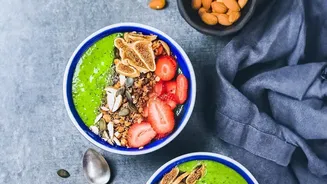
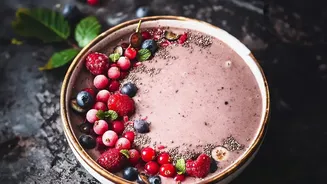
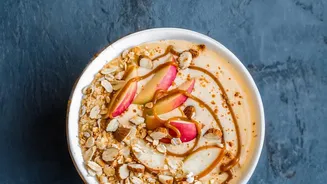
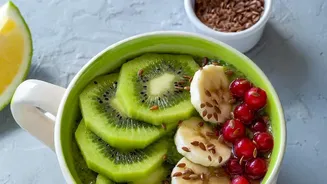
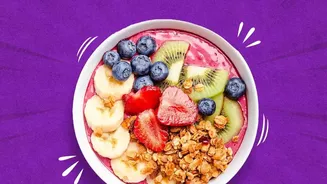
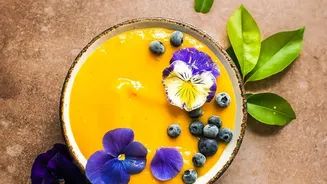
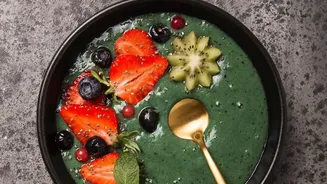
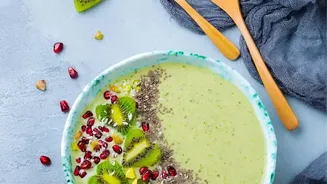
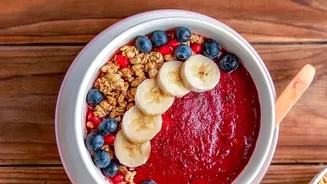
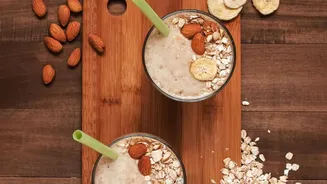
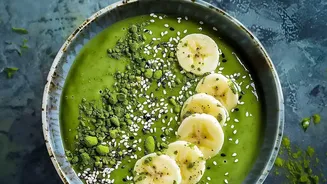
A smoothie bowl offers the perfect canvas to combine the goodness of sattu with other nutritious ingredients, turning it from a simple drink into a complete meal. The thicker consistency encourages you to eat more slowly, improving digestion and satisfaction. Here’s a versatile base recipe to get you started. Ingredients: - 3-4 tablespoons of sattu flour - 1 frozen banana (for creaminess and natural sweetness) - 1/2 cup of curd or Greek yoghurt (for extra protein and probiotics) - A splash of milk (dairy or plant-based) to reach desired consistency - 1-2 soft, pitted dates or 1 teaspoon of jaggery/honey for sweetness (optional) - A pinch of cardamom powder for flavour Instructions: 1. Combine the sattu flour, frozen banana, yoghurt, your choice of sweetener, and cardamom in a blender. 2. Add a small amount of milk and begin blending. Gradually add more milk until the mixture is thick, smooth, and creamy, like soft-serve ice cream. 3. Pour the thick smoothie into a bowl.
Customise Your Creation
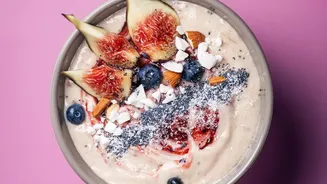
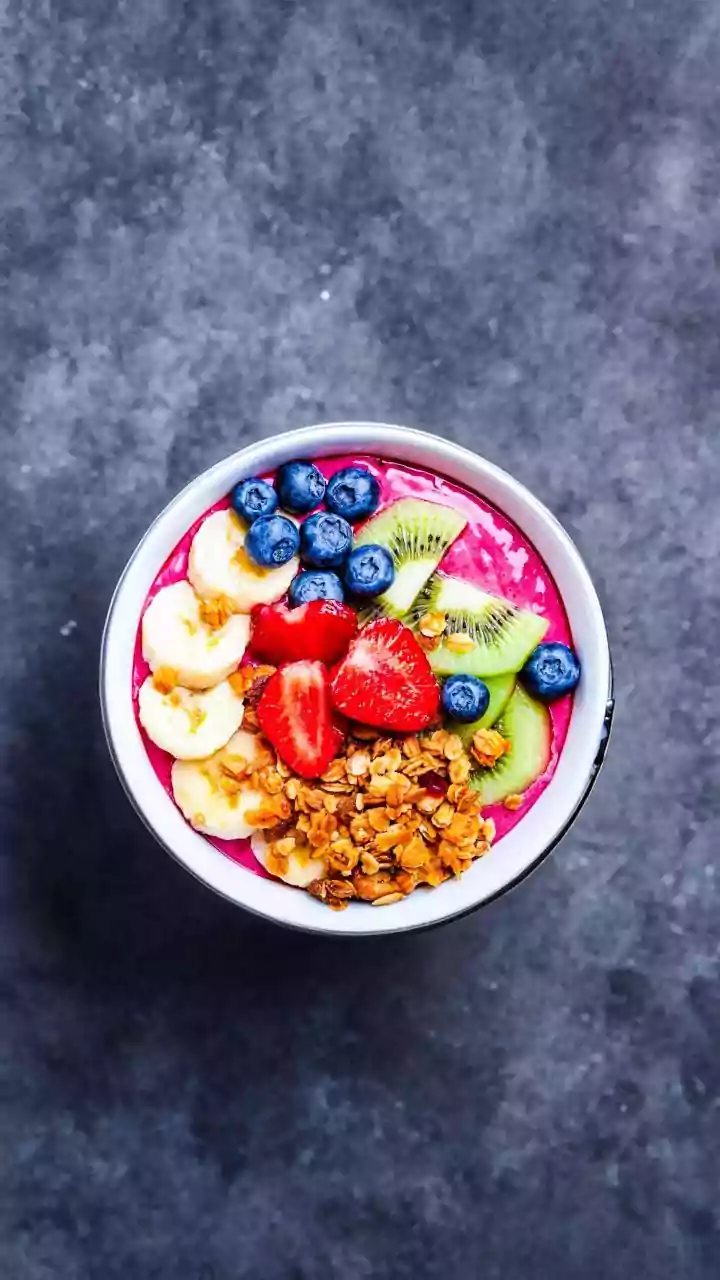
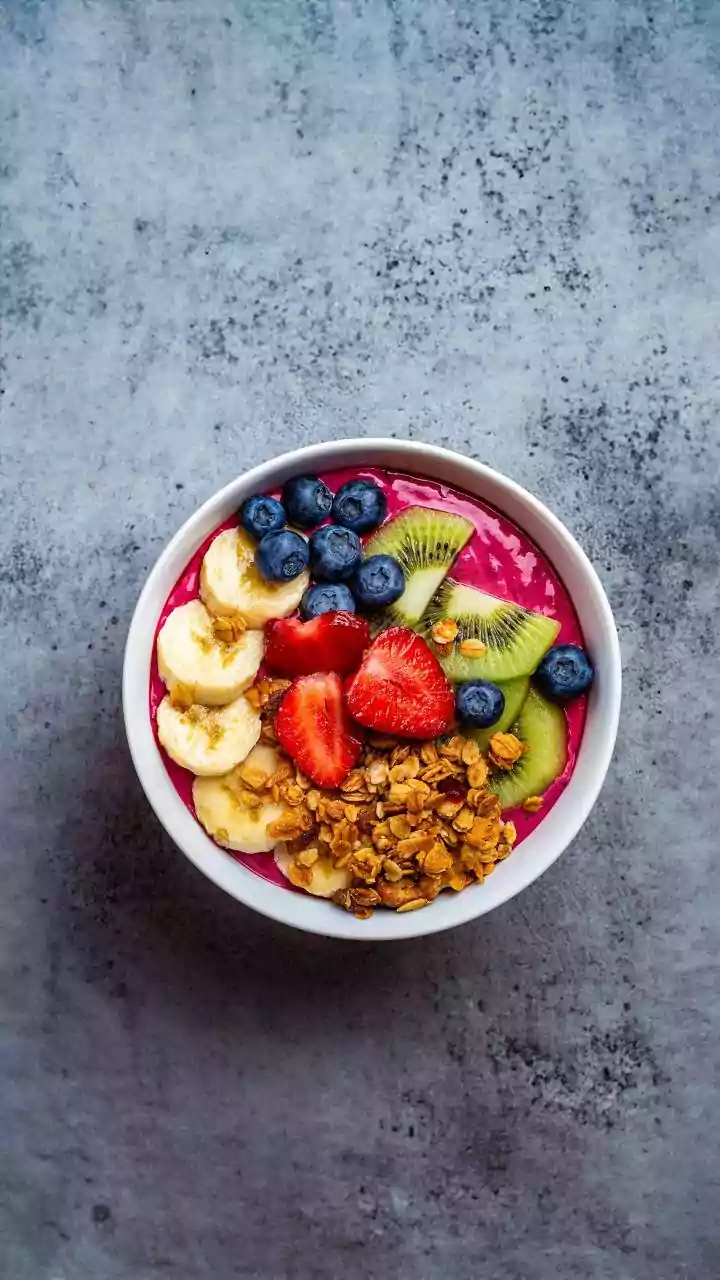
The real fun of a smoothie bowl lies in the toppings. They add texture, flavour, and an extra nutritional punch. Tailor your bowl to what your body needs post-workout. - For Healthy Fats & Crunch: Add a sprinkle of chopped almonds, walnuts, pumpkin seeds, or sunflower seeds. - For Extra Fibre & Omega-3s: A spoonful of chia seeds or flax seeds works wonders. - For Freshness & Vitamins: Top with fresh fruits like pomegranate arils, sliced mango, or berries. - For Indulgence: A small scattering of dark chocolate chips or a drizzle of nut butter can make your healthy meal feel like a treat.