

The Viral Promise vs. The Kitchen Reality
In the endless scroll of social media, Indian regional cuisine has found a vibrant new stage. A Chettinad curry from a home kitchen in Tamil Nadu or a delectable Kashmiri Wazwan dish can go viral, reaching millions of screens in hours. These short, slickly
edited videos promise a direct line to authentic, home-cooked flavour. But for many aspiring cooks, the journey from screen to stove ends in frustration. The beautiful golden fritter from a Kerala video turns into a mushy mess in a Mumbai kitchen. The rich, dark dal from a Punjabi blogger’s reel tastes completely different when made elsewhere. The culprit is often a single, crucial missing piece of information: ingredient context.
The Case of the Wrong Banana
Consider the beloved Pazham Pori, the golden-fried banana fritter that is a staple of evening tea time in Kerala. Countless viral videos showcase its simple beauty. The recipe seems straightforward: banana, batter, fry. Yet, many who try it outside of Kerala are left with a disappointing, oily mush. The secret isn't in the technique, but the banana itself. Pazham Pori is traditionally made with Nendran bananas, a specific variety native to Kerala. This plantain is larger, firmer, and less sweet than the common Cavendish banana found in most city markets. It holds its structure and texture when fried, creating the perfect balance of a crispy outside and a soft, but not disintegrated, inside. When a recipe simply says “banana,” it strips away this vital regional information, setting the cook up for failure.
Lost in Translation: Spices, Lentils, and More
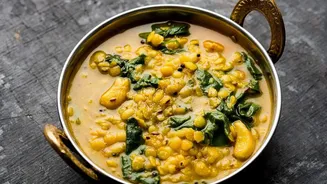
This problem extends far beyond fruit. The world of Indian ingredients is vast and specific. A recipe calling for 'chilli powder' can be deeply misleading. Is it the fiery Guntur chilli, the vibrantly coloured Kashmiri chilli, or the subtly hot Byadgi chilli? Each offers a different outcome. Similarly, assuming all spice blends are interchangeable is a common error; garam masala is not the same as a generic curry powder, and substituting one for the other will fundamentally alter a dish's soul. The term 'dal' can refer to dozens of different lentils, each with its own cooking time, texture, and flavour profile. Using massoor dal when the recipe intended for chana dal will not yield the same result. Without this context, the recipe becomes a mere approximation, a shadow of the original.
More Than a Recipe, A Regional Story
When ingredient context is lost, we lose more than just a successful dish; we risk eroding the very story behind the food. An ingredient isn't just a flavour component; it's a product of a specific geography, climate, and culture. The use of coconut in coastal cuisines, the reliance on millets in arid regions, the specific souring agents used from state to state—these are all chapters in India’s diverse culinary history. By reducing a Nendran banana to just “banana,” we disconnect the food from its place and its people. The digital flattening of cuisine, driven by the need for simplified, 'easy' content, can inadvertently erase the rich tapestry of regional specificity that makes Indian food so extraordinary.
A Path Forward for Creators and Cooks
The responsibility for preserving this context lies with both creators and consumers. For food influencers and bloggers, the goal should be clarity, not just clicks. This means specifying the exact variety of an ingredient, providing its local name, and explaining why it’s important. If a substitute is suggested, it should be one that has been tested and known to work. This isn't about gatekeeping; it's about good teaching. For home cooks, this calls for a little more curiosity. Instead of just following the video, take a moment to research the 'why' behind the ingredients. Ask questions in the comments. Look for bloggers who pride themselves on detail and authenticity. By doing so, we can move beyond simply copying a recipe to truly understanding and appreciating it.