

An Underwater Eden
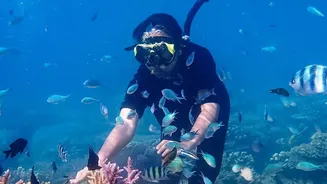
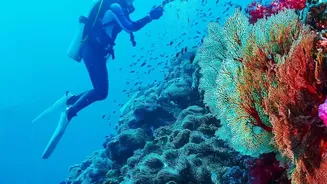
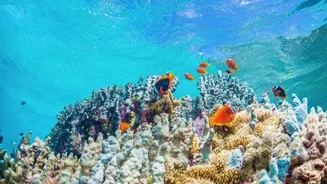
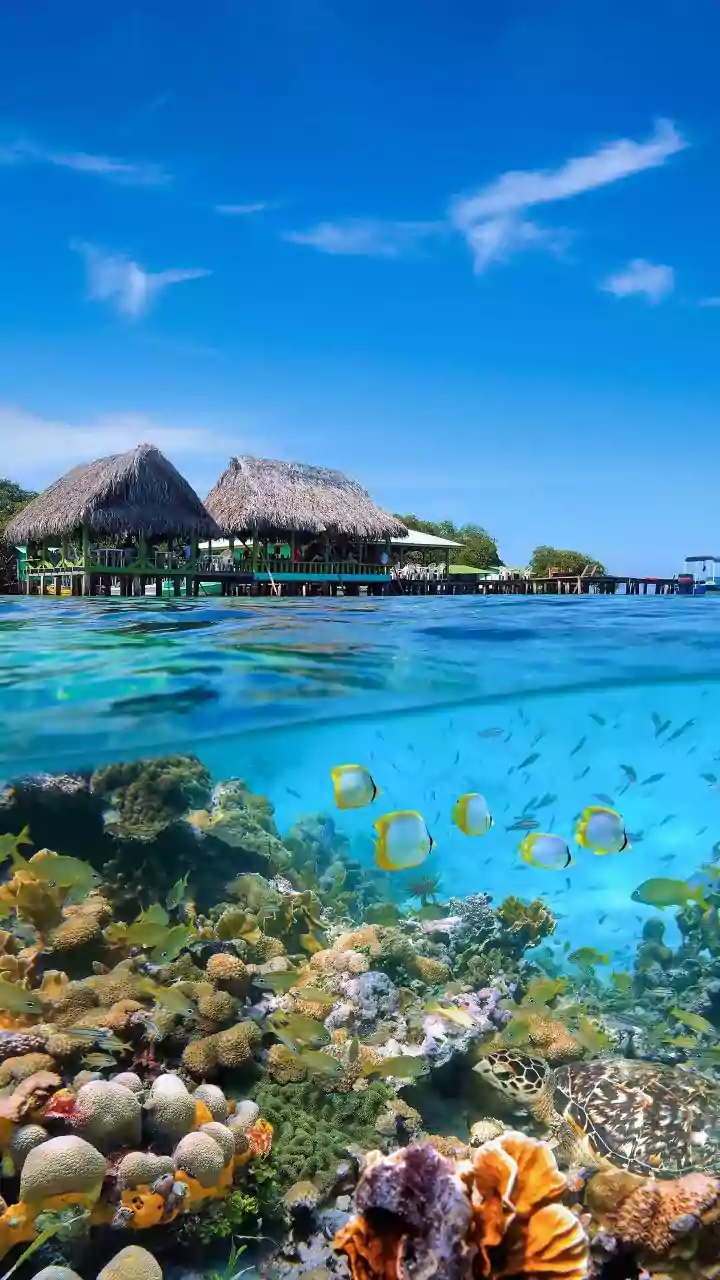
The Lakshadweep archipelago is built upon and protected by its coral reefs. These underwater ecosystems, often called the rainforests of the sea, support an astonishing array of life, with over 600 species of fish and more than 100 species of coral. For
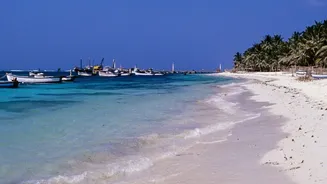
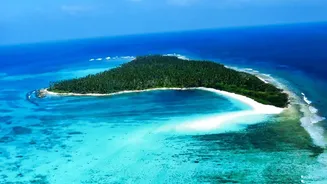
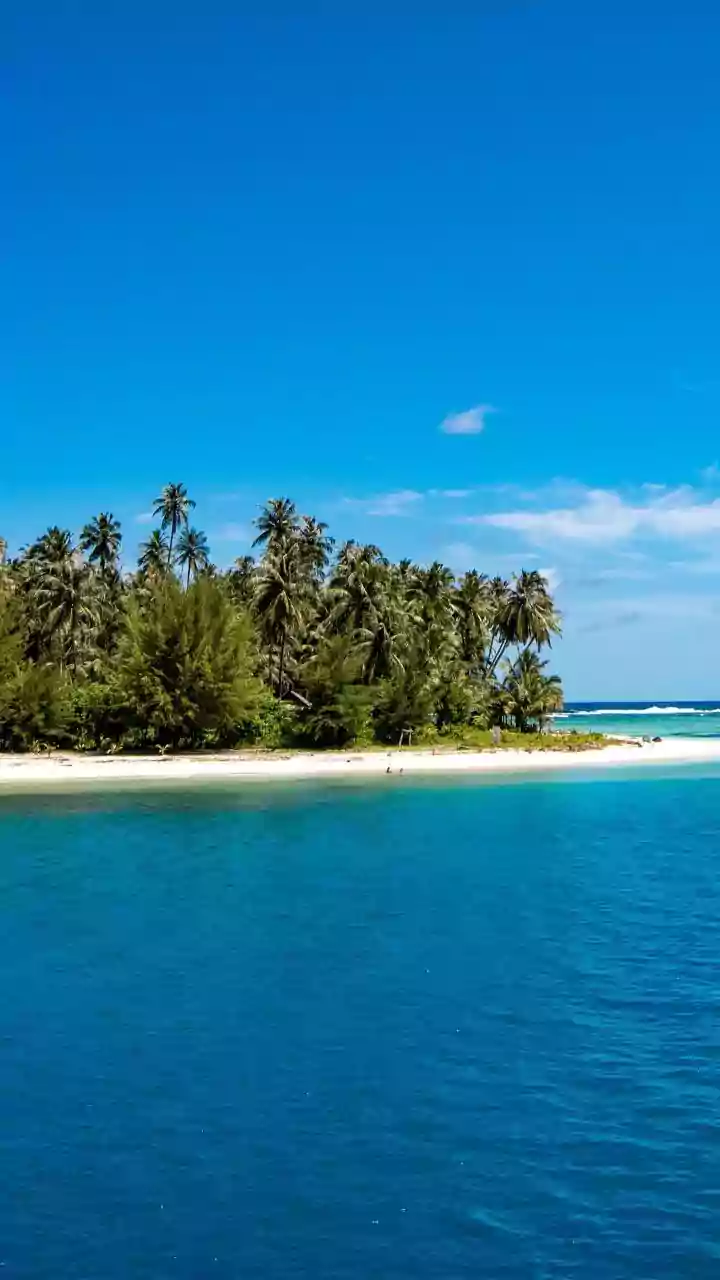
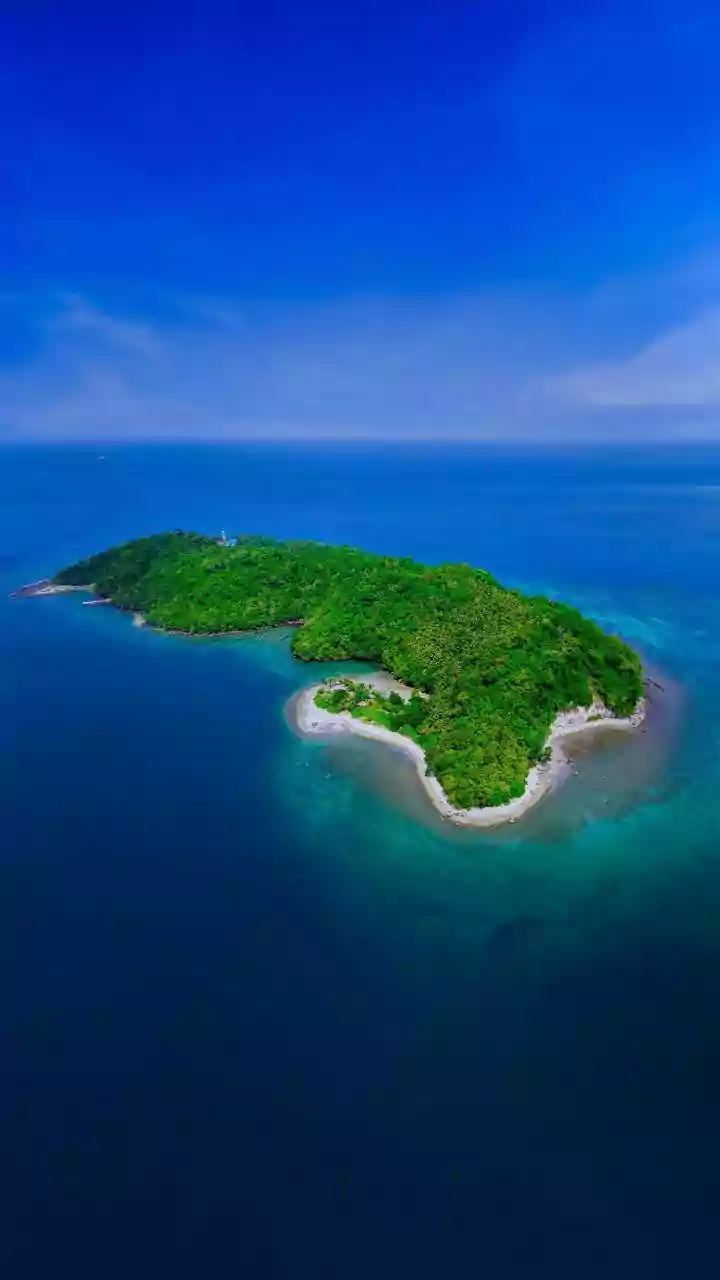
islands that barely rise above sea level, these reefs are also the first line of defence, absorbing wave energy and preventing coastal erosion. The lagoons of islands like Bangaram and Agatti are not just beautiful; they are critical nurseries for marine life and the foundation of the local fishing and tourism economies. Their health is directly linked to the health of the islands themselves.
The Tourism Tightrope
For decades, the beauty of Lakshadweep has attracted visitors, but tourism is a double-edged sword. Unregulated access can bring pollution from boats, physical damage to corals from anchors and inexperienced divers, and waste management challenges. The very attractions that draw people can be destroyed by their presence. Like many coral systems worldwide, Lakshadweep's reefs are also battling the effects of climate change, including rising sea temperatures that cause devastating bleaching events. A long-term study noted a significant decline in coral cover over two decades, highlighting the urgent need for careful management. The challenge is to allow people to experience this paradise without inadvertently destroying it.
A 'Low-Volume, High-Value' Strategy
The administration's core strategy has long been to promote "low-volume, high-value" tourism. This principle is about limiting the number of visitors to match the islands' carrying capacity—the ability of the environment to support tourism without being degraded. This is achieved through a permit system, which, while recently streamlined to make access easier for tourists, still allows authorities to manage visitor flow. By requiring tourists to specify which islands they will visit, the administration can prevent overcrowding in popular and ecologically sensitive areas like Bangaram and Kadmat, which are open to international visitors.
Rules for the Reef
Beyond limiting numbers, specific rules govern activities in the water. Dive centres in hubs like Kavaratti and Agatti enforce strict guidelines. These include mandatory training for responsible diving, supervised nature tours, and rules to protect marine life. The goal is to make every visitor a steward of the environment. Initiatives such as eco-friendly resorts that use solar power and rainwater harvesting, and robust waste management systems, aim to reduce the overall environmental footprint of tourism. The government's Swadesh Darshan 2.0 scheme further supports investment in sustainable infrastructure that complies with coastal regulations, ensuring that new developments do not come at an ecological cost.
Signs of Hope and a Resilient Future
While challenges like global warming remain, these focused conservation efforts are providing the reefs with a fighting chance. In early 2026, scientists discovered a surprisingly vibrant and healthy stretch of coral near Kalpeni island, a beacon of hope amid reports of global bleaching. Such resilient zones serve as a 'live laboratory,' helping researchers understand what makes a reef strong. The protection of these ecosystems is not just a government mandate; it's increasingly a community effort. Local organisations and conservation groups are working to involve islanders in monitoring and protecting their marine heritage, blending traditional knowledge with scientific approaches. This collaborative approach is vital for the long-term health of the reefs.