


The Monsoon Gut Connection
There's a reason you might feel a bit sluggish or bloated during the rainy season. According to Ayurveda, the body's digestive fire, or 'Agni', naturally weakens during the monsoon. The damp, cool weather slows down our metabolism, making it harder to process
heavy meals. This weakened digestive state can lead to common issues like gas, acidity, and a general feeling of heaviness after eating. Furthermore, the increased moisture in the environment creates a breeding ground for bacteria, raising the risk of waterborne and foodborne infections. This combination of a weaker gut and a higher risk of contamination is why paying extra attention to digestive health becomes crucial during this season.
Fermentation: Nature’s Probiotic Powerhouse
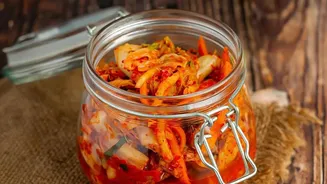
This is where the ancient wisdom of fermentation comes in. Fermented foods are rich in probiotics, which are live, beneficial bacteria that support a healthy gut. These 'good' bacteria help restore balance in our gut microbiome, the community of trillions of microbes living in our digestive tract. A healthy microbiome is essential for everything from efficient digestion and nutrient absorption to a strong immune system. By consuming probiotic-rich foods, you essentially reinforce your gut's natural defences, helping to break down food more effectively and crowd out harmful pathogens that might cause seasonal illnesses. This makes them a perfect, natural remedy for the digestive woes that often accompany the monsoon.
Rediscovering India’s Fermented Heritage
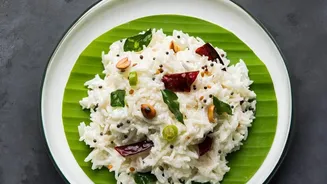
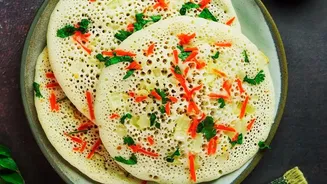
Long before probiotic supplements became a global wellness trend, Indian kitchens were masters of fermentation. Many of our most beloved traditional foods are, in fact, powerful probiotic sources. Think of the freshly set curd (dahi) that accompanies almost every meal, providing a daily dose of gut-soothing bacteria. The light, fluffy idlis and crisp dosas from the South get their texture and digestibility from an overnight fermentation process of rice and dal batter. In the North, the tangy, purple drink Kanji, made from fermented black carrots or beetroot, has been a traditional immunity booster for generations. And let’s not forget the humble homemade pickle (achar); when made through lacto-fermentation with salt rather than vinegar, it becomes a potent source of gut-friendly microbes.
A Modern Twist on Ancient Wisdom
While these foods have always been part of our culinary landscape, they are now being viewed through a modern wellness lens. The global conversation around gut health has prompted a renewed appreciation for these local, time-tested superfoods. Consumers are increasingly looking for natural, sustainable ways to boost their health, and turning back to ancestral food practices is a significant part of this trend. Fermented foods like Chaas (buttermilk), a lighter version of curd, and Pakhala or Panta Bhat (fermented rice) are being celebrated not just for their taste but for their scientifically-backed benefits. They offer a cost-effective and delicious alternative to expensive commercial probiotic drinks, which can often be loaded with sugar.
Easy Ways to Embrace the Trend
Incorporating these foods into your monsoon diet is simple. Start your day with a warm plate of idli or dosa. Make it a habit to have a small bowl of fresh, homemade curd or a glass of chaas with your lunch to aid digestion. Explore making a batch of Kanji at home; it’s a refreshing appetizer that can help boost immunity. When choosing pickles, opt for traditionally sun-dried, salt-fermented varieties to get the maximum probiotic benefit. Even simply consuming leftover rice after soaking it overnight can provide your gut with beneficial bacteria. The key is to choose fresh, homemade preparations whenever possible to ensure the live cultures are active and beneficial.