


An Unprecedented Surge in Demand
India is currently one of the fastest-growing aviation markets in the world. Projections from industry experts paint a picture of sustained, rapid expansion. Airbus, for example, has raised its forecast for India's domestic air traffic growth to 9.3%
annually through 2045, a rate that outpaces even China. This explosive growth is driven by rising disposable incomes, increased business and leisure travel, and government initiatives like the UDAN scheme, which has successfully boosted connectivity to smaller, regional cities. This rising tide of passengers means airlines are in a race to add capacity, not just to grow, but simply to keep up with the existing demand.
The Billion-Dollar Shopping Spree
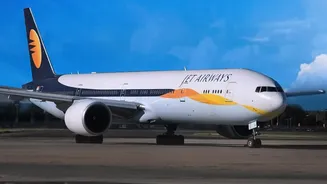
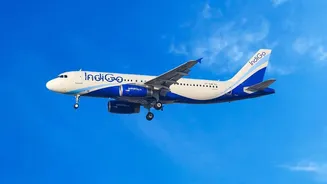
Indian carriers have responded to the demand with some of the largest aircraft orders in aviation history. Airlines like IndiGo, Air India, and the newer Akasa Air have collectively placed orders for over 1,200 new planes from global manufacturers Airbus and Boeing. In a recent statement, Union Commerce and Industry Minister Piyush Goyal highlighted the scale of the need, stating that the country's total requirement exceeds 2,000 aircraft and that carriers are ready to order another 1,000 planes. Air India, under its new ownership, plans to induct a new aircraft roughly every six days during parts of 2026 to modernize its fleet and expand its international and domestic footprint. These massive orders signal a long-term bet on the future of Indian aviation.
A Global Supply Chain Bottleneck
While the orders are placed, getting the planes delivered is another story. Both Airbus and Boeing are grappling with significant production backlogs and supply chain disruptions that have persisted since the pandemic. Shortages of critical components, from engines to smaller parts, have slowed down manufacturing and created a global traffic jam for deliveries. This means that even with firm orders, many aircraft are not scheduled to arrive for years, with some delivery timelines stretching as far as 2034. The grounding of existing aircraft due to engine issues and maintenance delays further compounds the problem, with reports indicating that at times, nearly 20% of the industry's fleet has been non-operational. This has forced airlines to rely on expensive short-term leases to fill the gap.
More Than Just Aircraft
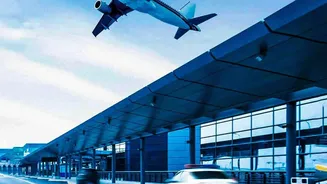
The challenge extends beyond just the physical planes. A rapidly expanding fleet requires a corresponding increase in supporting infrastructure and personnel. The industry is facing a shortage of trained pilots, cabin crew, and maintenance engineers, which can lead to operational disruptions and flight delays. Furthermore, airport infrastructure in many cities is already strained. To accommodate a near-doubling of the national fleet, India will need significant investment in modernizing existing airports and building new ones, especially in Tier II and Tier III cities where much of the future growth is expected. The government is also working on strengthening the aircraft leasing and financing ecosystem within India, as over 85% of the current fleet is leased.