


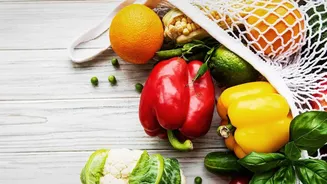

The Pinch at the Sabzi Mandi
It’s not just a feeling; the numbers confirm it. The cost of preparing a daily meal at home is rising. Recent reports from October 2026 indicate a significant jump in food inflation, with staples like onions, pulses, cereals, and edible oils becoming
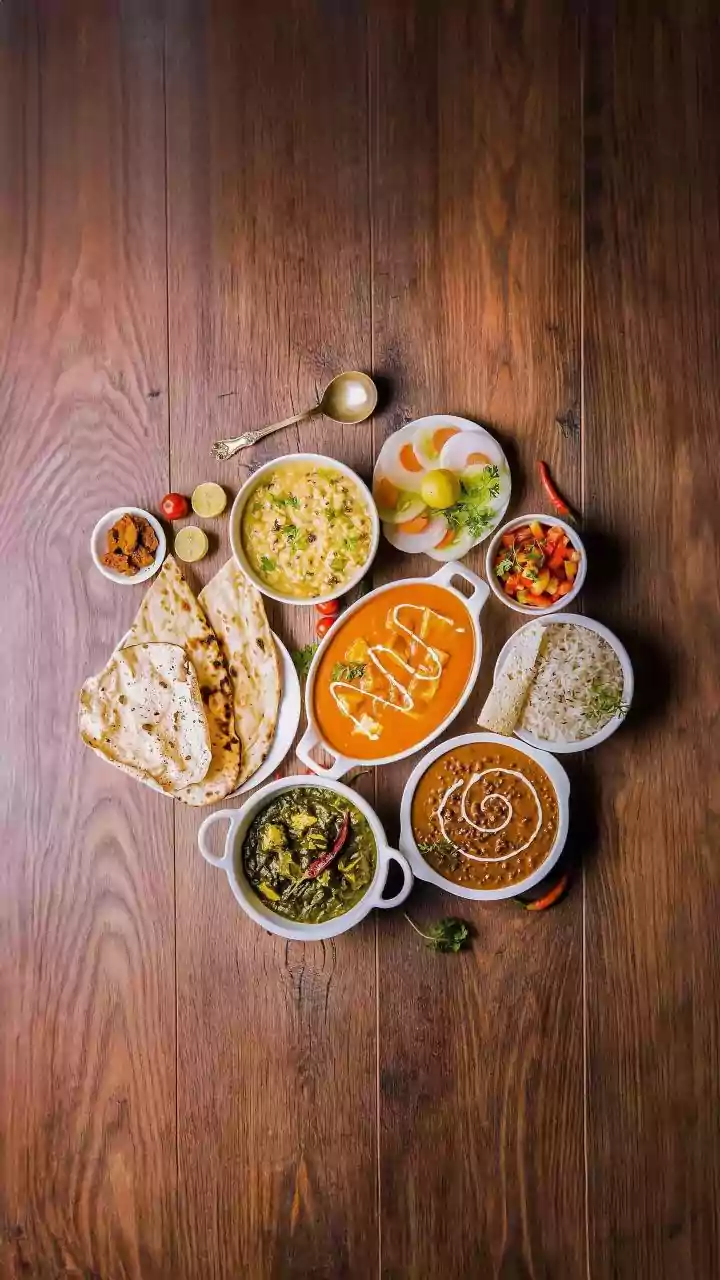
more expensive. For instance, CRISIL's Roti Rice Rate report noted that the cost of a vegetarian thali rose by 10% year-on-year in September 2026, primarily driven by a sharp 89% increase in onion prices. This isn't a uniform price hike across all items; while some vegetable prices spike due to weather conditions and supply issues, others might fall. However, the overall trend is one of increasing pressure on the average family's food budget, which for many lower to middle-income households, can constitute 35% to 60% of their total monthly spending.
The Power of a Plan
The single most effective strategy to combat rising food costs is meal planning. It sounds simple, but creating a weekly menu before you go shopping prevents impulse buys and ensures you purchase only what you need. Start by listing the meals for the week, checking your pantry for existing ingredients, and then building a precise shopping list. This discipline alone can significantly reduce how much food is wasted—a major source of financial loss for households. Studies suggest that Indian families can throw away a substantial amount of purchased food, with some urban households wasting thousands of rupees worth of food annually. A well-thought-out plan helps ensure that the coriander you buy for today’s dal doesn't wilt in the back of the fridge by the end of the week.
Shop Smarter, Not More
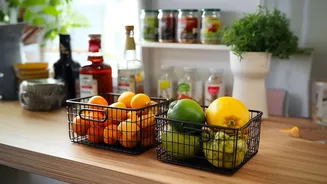
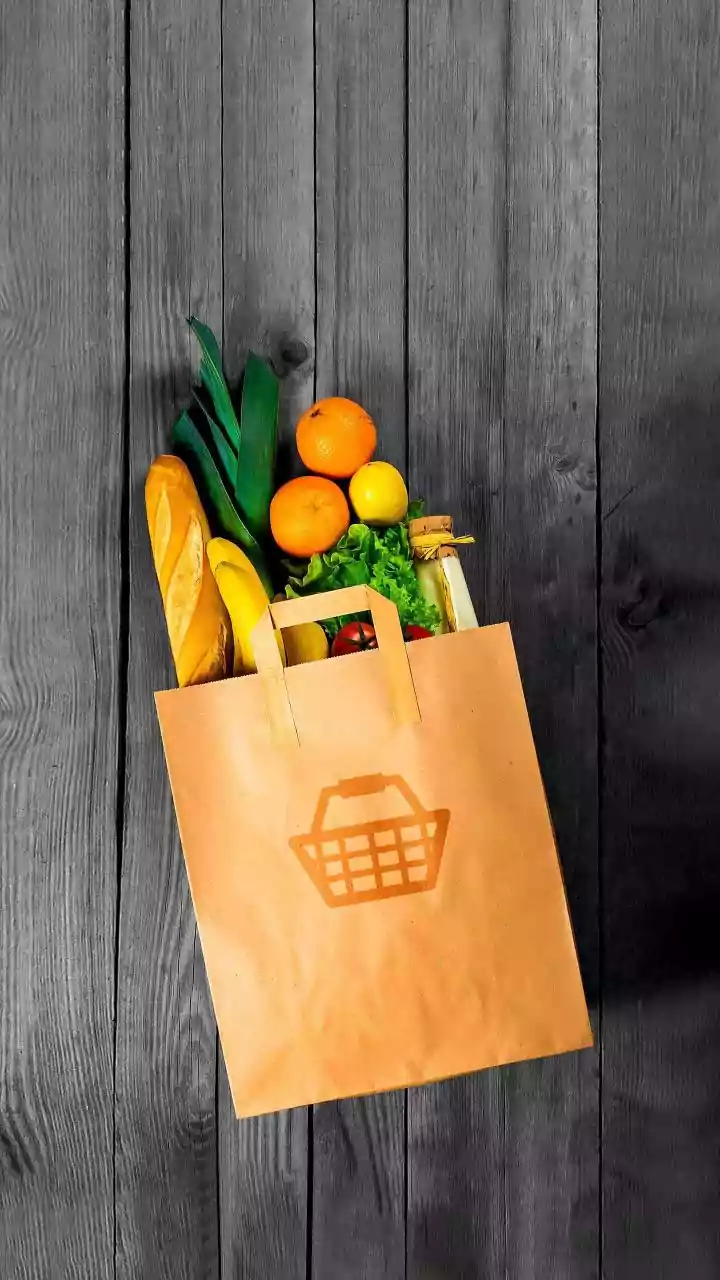
Once you have your list, strategic shopping can unlock further savings. Buying seasonal and local produce is a key tactic; seasonal vegetables are not only fresher and more nutritious but also significantly cheaper. For example, the price of tomatoes can be drastically lower in season compared to off-season. Furthermore, consider where you shop. Local mandis or weekly markets often have lower prices compared to supermarkets, which have additional costs for logistics and packaging. For non-perishable staples like rice, dals, and flour, buying in bulk can offer savings of 5-15%, but only if you have adequate storage and can use the items before they expire. For perishables, it's often wiser to buy smaller quantities more frequently to avoid spoilage.
Embrace the Home Kitchen
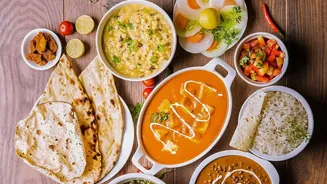
While the cost of a home-cooked thali is rising, it remains significantly more affordable than eating out or ordering in. A meal at an inexpensive restaurant can cost several times more than preparing a similar dish at home. Cooking at home gives you complete control over ingredients, portion sizes, and expenses. Techniques like batch cooking—preparing larger quantities of base gravies, dals, or dough over the weekend—can save immense time during busy weekdays. It also encourages the creative use of leftovers. Yesterday’s sabzi can become a filling for a paratha, and leftover rice can be transformed into a delicious fried rice, further stretching your food budget.
Waste Not, Save a Lot
Reducing food waste is synonymous with saving money. This starts with proper storage. Leafy greens last longer when washed, dried, and stored in an airtight container, while onions and potatoes should be kept in a cool, dark place. Another simple but effective method is 'First In, First Out' (FIFO), where you organize your fridge and pantry to use older items before newer ones. Many parts of vegetables that are commonly discarded, such as cauliflower stems or carrot tops, are perfectly edible and can be incorporated into dals, soups, or stir-fries, adding nutrition and reducing waste. By being mindful of what gets thrown away, families can plug a significant drain on their finances.