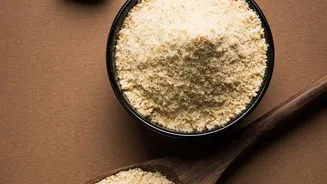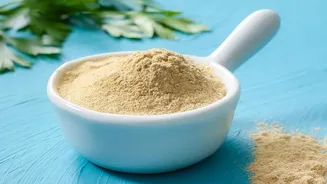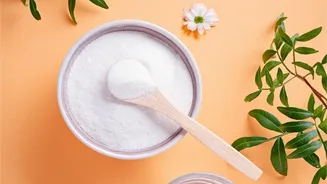




Protein powder is a fantastic tool for hitting your fitness and wellness goals, but many people are put off by its signature chalky texture. The secret isn't choking it down with water; it's cleverly hiding it in your favourite foods.
Why Is My Protein Powder Chalky?
That gritty mouthfeel
comes down to food science. Protein powders, especially plant-based ones, are made of fine particles that don't always dissolve completely in liquid. The manufacturing process, which strips away fats and carbs, leaves behind pure protein that can struggle to mix smoothly. While some powders are 'instantized' to help them dissolve better, factors like particle size, protein type (whey vs. casein vs. plant), and even how you mix it can lead to a chalky finish. Plant-based proteins from sources like peas and rice naturally contain more fibre and starch, which can contribute to a grittier feel compared to milk-based whey. But don't despair—with the right techniques, you can transform that texture from a problem to a non-issue.
Blend in Healthy Fats for Creaminess
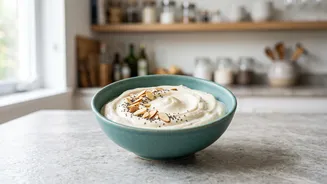
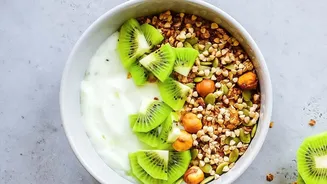
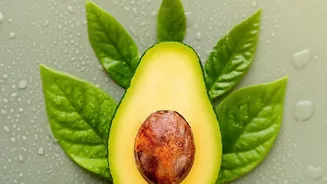
One of the most effective ways to combat chalkiness is to introduce healthy fats. Ingredients like nut butter, avocado, or full-fat Greek yoghurt act as natural emulsifiers. Their creamy consistency coats the protein particles, creating a much smoother, richer mouthfeel that masks the grit. Just a tablespoon of peanut or almond butter, or a quarter of an avocado blended into a smoothie can make a world of difference. This not only improves the texture but also adds healthy fats and extra nutrients, making your meal more satiating and nutritionally dense.
Leverage Strong, Complementary Flavours
If you can't feel the texture, you're less likely to notice it. Strong flavours can easily overpower the subtle, often bland taste of unflavoured protein. In smoothies, this is easy: use flavourful fruits like bananas, mangoes, or mixed berries. A banana is a particularly great choice as its thick consistency also helps improve the texture. For other recipes, think about adding unsweetened cocoa powder, a shot of espresso, or potent spices like cinnamon, nutmeg, or cardamom. These bold additions will become the star of the show, pushing the protein powder's taste and texture firmly into the background.
Bake Smarter, Not Harder
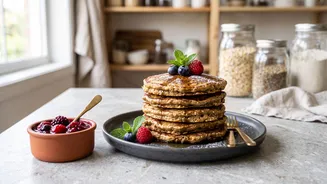
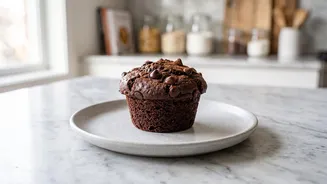
Baking with protein powder requires a different approach than using regular flour. Protein powder is highly absorbent, meaning it soaks up a lot of moisture. To avoid dry, dense, or rubbery results, never replace all the flour with protein powder. A good rule of thumb is to substitute no more than one third of the flour. You'll also need to increase the wet ingredients in your recipe. Add moisture rich components like mashed bananas, applesauce, pumpkin puree, or yoghurt to keep your baked goods tender. Sifting the protein powder with your other dry ingredients first can also prevent clumps and ensure a smoother batter.
Master Your Mixing Technique
How you mix your protein powder matters. Simply stirring it with a spoon often isn't enough to break down the particles. Using a blender is the best method for a truly smooth consistency, especially for shakes and smoothies. When mixing, always add your liquid to the container first, then the powder on top. This simple step prevents the powder from sticking to the bottom and forming stubborn clumps. For an even smoother blend, let the powder sit in the liquid for about a minute before blending to give it time to hydrate and dissolve more fully. Even in no bake recipes like energy balls, mixing the powder thoroughly with wet ingredients like nut butter or honey is key.
Be Mindful of Heat
While it's safe to cook with protein powder, high heat can sometimes affect the texture. When adding whey or casein protein to hot preparations like oatmeal or soups, it's best to stir it in at the very end, after the dish has cooled slightly. Adding it too early or to a boiling liquid can cause the milk based proteins to curdle or clump. Plant based proteins like pea protein tend to be more stable in heat and can be a better choice for savoury cooked dishes like sauces and soups. For baked goods, sticking to normal baking temperatures (around 180°C) is generally fine and won't destroy the nutritional value.