

The Old-Fashioned Way Is New Again
In the kitchens of urban India, a quiet revolution is fermenting. For generations, the word 'pickle' has conjured images of mango or lemon pieces submerged in a thick layer of spiced oil, preserved in large ceramic jars. But today, a growing number of health-conscious
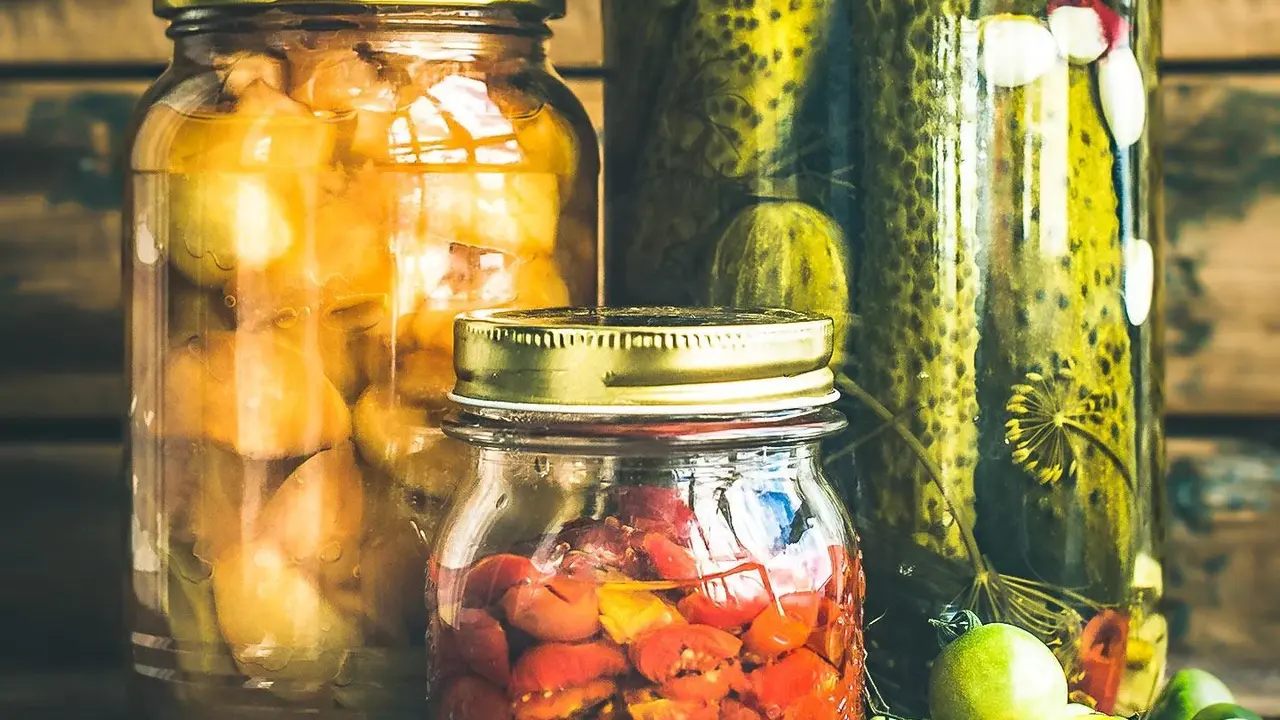
city dwellers are looking beyond the traditional oil-based achar. They are rediscovering and championing older, simpler methods of preservation that use little to no oil. This revival is driven by a desire for food that is not just flavourful but also functional. The focus is now on fermentation as a means of preservation, a method that creates tangy, complex flavours while cultivating beneficial microorganisms. This trend sees urbanites attending workshops and creating online communities, all dedicated to mastering the art of turning simple vegetables into probiotic powerhouses.
Meet Lacto-Fermentation
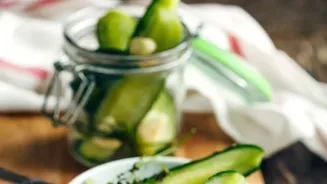
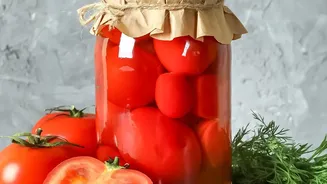
The primary method behind these oil-free pickles is lacto-fermentation. Unlike the common practice of pickling in vinegar or submerging in oil, this technique is beautifully simple. It requires only vegetables, salt, and water. The process works by creating a brine that encourages the growth of naturally occurring lactic acid bacteria present on the vegetables. These 'good' bacteria convert the natural sugars in the vegetables into lactic acid. This acid acts as a natural preservative, preventing the growth of harmful bacteria that cause spoilage. At the same time, it infuses the vegetables with a characteristic tangy, slightly effervescent flavour that is very different from the sharp taste of vinegar pickles or the spice-heavy profile of oil-based ones. This ancient method has been used for millennia across cultures to preserve the harvest.
A Gut Feeling For Wellness
The main driver behind this pickling renaissance is the modern obsession with gut health. The lactic acid bacteria that flourish during fermentation are probiotics. These are live microorganisms that, when consumed in adequate amounts, can offer health benefits. With a growing body of research linking gut health to everything from digestion and immunity to mental well-being, foods rich in probiotics have become highly sought after. Traditional fermented pickles, like those made with salt brines, are a natural and potent source of these beneficial microbes. For many urban consumers navigating a world of processed foods, the appeal of making something by hand that actively contributes to their well-being is immense. They offer a way to enhance the gut microbiome naturally, without relying on supplements.
More Than Just Achar
While many traditional Indian pickles are preserved in oil, the subcontinent also has a rich history of oil-free, fermented preserves. Think of the popular winter drink and pickle base, Kanji, made from black carrots and beetroot fermented in water with mustard seeds. Or the simple yet elegant oil-free lemon pickle, where lemons are preserved in their own juice with salt and spices, slowly softening over weeks in the sun. These oil-free versions offer a different culinary experience. They are often lighter, tangier, and more versatile. They can be used as a condiment, a side dish, or even as an ingredient to add a bright, acidic note to salads and other dishes. This trend is not about replacing the beloved oil-based achar but about expanding the definition of what an Indian pickle can be, connecting a modern wellness trend with a deep-seated culinary heritage.
From Home Kitchens to Artisanal Brands
The demand for these probiotic preserves has not gone unnoticed. While many enthusiasts are making their own at home, a new wave of artisanal and small-batch brands has emerged to cater to this growing market. These businesses, often started during the pandemic, pride themselves on using traditional recipes, high-quality local ingredients, and natural fermentation processes without artificial preservatives. Brands like Farmdidi and Add Me are gaining popularity by offering homemade-style pickles that align with the clean-eating ethos. This commercial interest runs parallel to a community-based revival, with fermentation workshops and online forums becoming popular spaces for sharing knowledge, troubleshooting recipes, and celebrating the successful creation of a lively, bubbling jar of pickles.