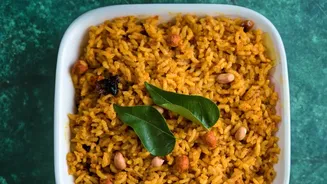






The Core Flavours: Tangy Tamarind and Earthy Cumin
The heart of this dish lies in the beautiful contrast between its two star ingredients. Tamarind, a tropical fruit, provides a distinct sweet-and-sour taste that is both refreshing and complex. Its tanginess comes from tartaric acid, which has the power
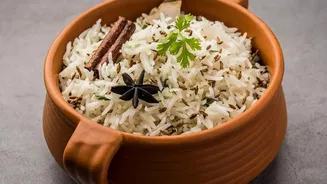
to brighten and cut through richness. Cumin, on the other hand, brings a warm, earthy, and slightly peppery depth. When toasted, cumin seeds release an intense aroma that forms the savoury base of countless Indian dishes. Together, they create a harmonious balance; the cumin grounds the high notes of the tamarind, resulting in a flavour profile that is robust and deeply satisfying. This pairing is a cornerstone of South Indian cuisine, appearing in everything from sauces to marinades.
Preparing the Foundation: Rice and Tamarind
The quality of your tamarind rice starts with the rice itself. For best results, use a short-grain variety like Sona Masuri or Ponni rice. The key is to cook the rice so that each grain remains separate and not mushy. A crucial tip is to let the cooked rice cool down completely before mixing; spreading it on a wide plate helps. Day-old rice is even better as it holds its shape perfectly. For the tamarind component, you can either use store-bought paste or make your own. To make it from scratch, soak a lemon-sized ball of dried tamarind in hot water for about 30 minutes, squeeze the pulp to extract the thick juice, and strain it to remove any fibres or seeds. This concentrated liquid is the souring agent that defines the dish.
The Art of the 'Gojju': The Spice Paste
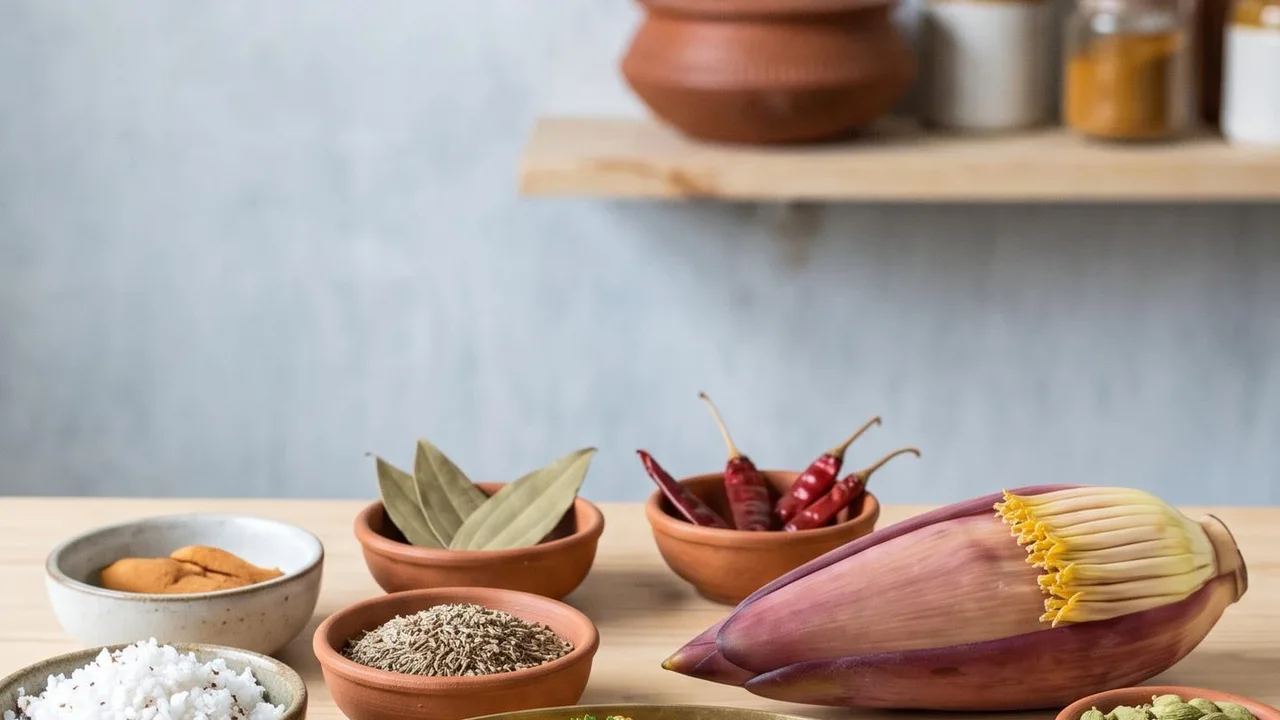
The soul of authentic tamarind rice is the 'gojju' or 'pulikachal'—a thick, flavourful paste made by cooking the tamarind extract with a special blend of spices. This often starts with a tempering (tadka) process. Heat sesame oil in a pan, which lends an authentic, nutty aroma. Add mustard seeds, chana dal (split Bengal gram), urad dal (split black gram), and peanuts, frying until the lentils turn golden and the peanuts are crisp. Then, add dried red chillies and curry leaves. Next, pour in the tamarind extract, along with turmeric powder, asafoetida (hing), and a touch of jaggery to balance the sourness. Allow this mixture to simmer and thicken until the oil begins to separate, indicating it's well-cooked.
Bringing It All Together: The Puliyogare Powder
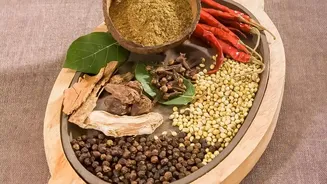
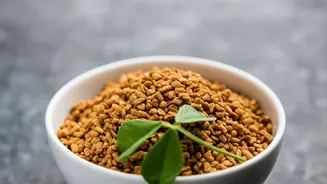
While the tamarind paste provides the tangy base, a special spice powder, or 'podi', gives the dish its complex aroma and depth. This powder typically includes a mix of dry-roasted spices. Common ingredients are coriander seeds, chana dal, urad dal, fenugreek seeds, sesame seeds, black pepper, and of course, cumin seeds. Each ingredient is roasted on a low flame until fragrant before being ground into a fine powder. This powder is added to the simmering tamarind paste ('gojju') and cooked for a few more minutes to meld the flavours together. The resulting thick, aromatic paste is then ready to be mixed with the cooled rice.
Final Assembly and Pro Tips
With your cooled rice in a large bowl and the tamarind paste ready, it's time for the final step. Add the paste to the rice a little at a time, mixing gently to ensure every grain is evenly coated without breaking. It's better to fold the mixture rather than stir it vigorously. Once mixed, let the tamarind rice rest for at least 10-15 minutes to allow the flavours to fully absorb into the rice. For the best texture and taste, don't be afraid to use sesame oil generously, as it not only adds flavour but also helps preserve the dish. Tamarind rice is often served at room temperature and tastes even better a few hours after it's made, making it a perfect choice for lunchboxes and travel.