

Ever returned from a vacation feeling like you need another one? The relentless crowds and commercial chaos of popular tourist spots can be draining. But deep in India's northeast, the serene valleys of Arunachal Pradesh offer a true escape.
The Familiar Story of Over-Tourism
Think of India’s
most famous hill stations. The image that often comes to mind isn't one of tranquil nature, but of traffic-choked roads, overflowing hotels, and a cacophony of vendors. Destinations like Shimla and Manali, once idyllic retreats, now grapple with the pressures of over-tourism. During peak seasons, these circuits receive visitor numbers that far exceed their carrying capacity, leading to strained resources, water shortages, and mountains of waste. The original charm that drew people in the first place is often buried under layers of commercialization, where the experience feels less about the place and more about consumption. For travelers seeking genuine peace, the very thing a vacation is supposed to provide, this model often leaves them wanting.
Arunachal’s Unplugged Sanctuaries
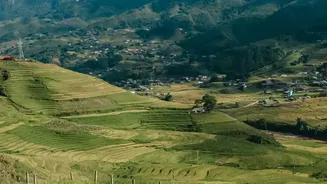
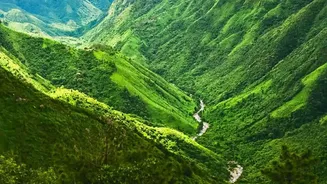
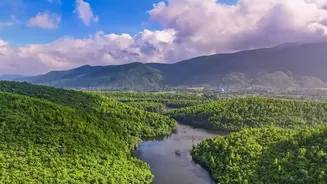
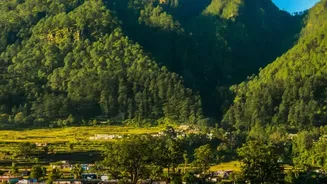
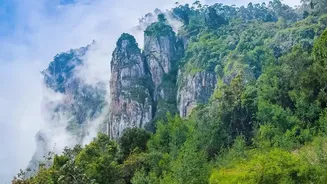
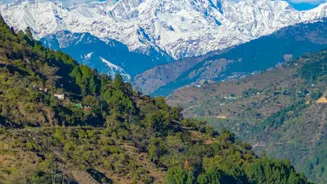
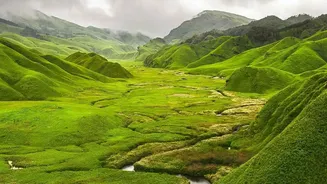
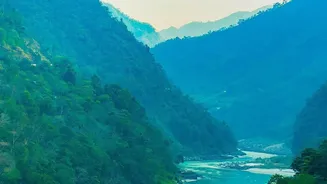
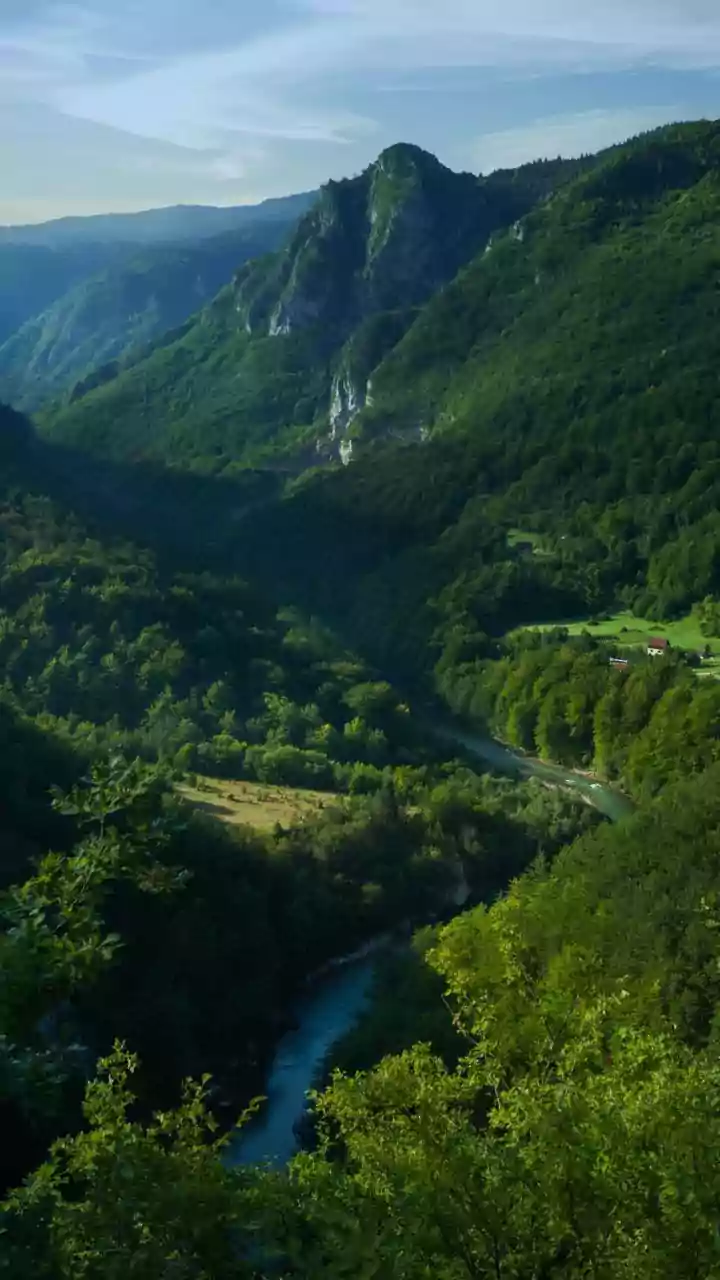
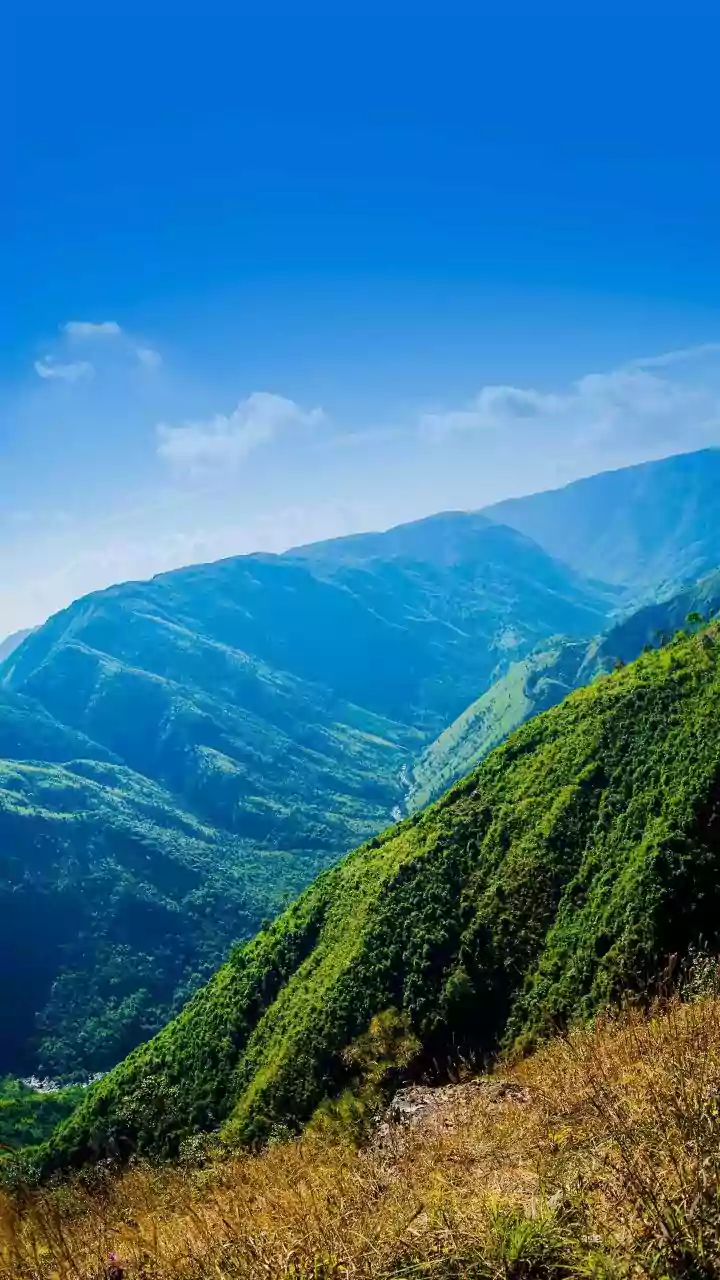
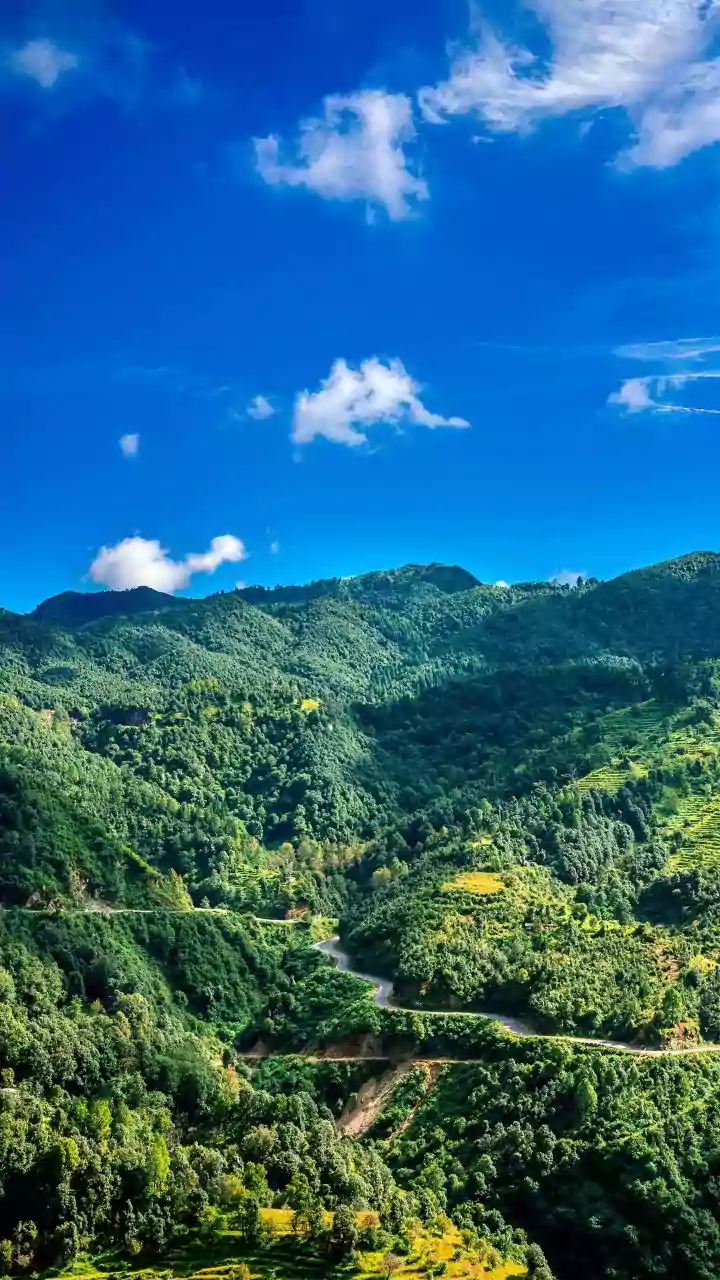
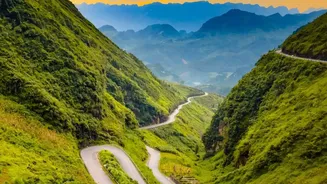
Now, picture a different scene: vast, emerald valleys carved by icy rivers, fringed by pine forests, and watched over by snow-capped Himalayan peaks. This is the world of Arunachal's offbeat valleys like Mechuka, Dibang, and Sangti. Their remoteness is a key part of their magic. The journey to these places is an adventure in itself, involving long drives through rugged terrain, which naturally filters out the casual crowds. The reward is a profound sense of isolation and silence, where the only sounds are the rustling of leaves and the flow of the river. These landscapes haven't been sanitized for mass tourism; they are raw, vast, and breathtakingly pristine, offering an experience that feels increasingly rare.
Connection Over Commerce
In mainstream circuits, the interaction is often transactional. In contrast, Arunachal’s valleys offer a deeper cultural immersion. Much of the accommodation consists of homestays run by local families from communities like the Memba, Idu Mishmi, and Apatani tribes. Here, you don’t just check into a room; you share meals, listen to stories, and gain a genuine insight into a way of life that is deeply connected to nature. Ziro Valley, a UNESCO World Heritage tentative site, is a prime example, celebrated for the Apatani tribe’s unique sustainable farming system of cultivating rice and fish together. This focus on authentic, community-based experiences fosters a sense of connection that commercial hotels simply cannot replicate.
An Adventure in Slow Travel
The difficulty in accessing places like Mechuka or Anini in the Dibang Valley is, in many ways, their greatest protector. Reaching these destinations requires an Inner Line Permit (ILP) for Indian citizens and more planning than a typical getaway. Travel times are long, roads can be challenging, and mobile connectivity is often patchy at best. While this might seem inconvenient, it fosters a 'slow travel' mindset. It forces you to disconnect from the digital world and connect with your immediate surroundings. This journey, stripped of modern distractions, becomes an integral part of the experience, allowing for a deeper appreciation of the landscape and the destination upon arrival.
The Beauty of Being Unseen
While destinations like Tawang are iconic, Arunachal’s true essence of peace often lies in its lesser-known corners. Valleys like Sangti, near Dirang, offer pastoral beauty with rolling meadows and grazing yaks, far from any commercial hub. The appeal lies in their simplicity and the lack of a structured tourist itinerary. There are no long queues for attractions, no pressure to 'do' anything other than be present. This kind of travel is less about seeing and more about feeling—the crisp mountain air, the warmth of a local home, and the overwhelming sense of calm that comes from being in a place that remains, for the most part, untouched and unbothered by the frantic pace of the outside world.