



Why Travel Now?
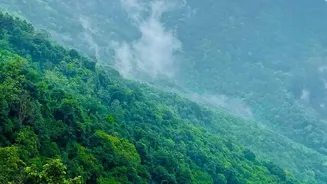
The period from late September to November is arguably one of the most rewarding times to explore India. The oppressive heat is gone, replaced by pleasant temperatures and brilliantly clear skies. The countryside is a carpet of lush, post-monsoon green,
waterfalls are still in their full glory, and the air feels fresh. This 'shoulder season' also means fewer tourists and better deals compared to the peak winter months. Recent travel trends show a growing interest in September and October trips, as travellers look to take advantage of this ideal climate for shorter, experience-led breaks.
On The Road: The Konkan Coast
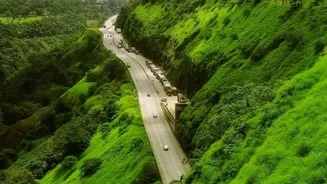
There are few drives more scenic than the winding coastal route from Mumbai to Goa just after the rains. The journey through the Konkan region is a feast for the senses. The paddy fields are intensely green, the roads are fringed with vibrant wildflowers, and the aroma of wet earth hangs in the air. This isn't a trip to be rushed. Plan for stops in charming towns like Alibaug, the historic seaport of Murud-Janjira, and the tranquil beaches of Ganpatipule. While some watersports may only just be starting up again in October, the appeal of this drive lies in the journey itself—the empty beaches, the incredible seafood, and the overwhelming greenery of the Western Ghats meeting the Arabian Sea.
On The Road: The Hills of Coorg
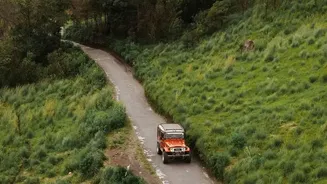
Known as the 'Scotland of India', Coorg in Karnataka is another destination that comes alive post-monsoon. The region’s famous coffee plantations are at their most verdant, draped in mist during the cool mornings. A road trip from Bengaluru to Coorg reveals a landscape transformed, with highlights like the spectacular Abbey Falls roaring with monsoon-fed power and the panoramic views from Raja's Seat uncluttered by haze. The drive itself, through winding roads flanked by dense forests and spice gardens, is an essential part of the experience. The fragrance of wet coffee leaves and pepper vines is the signature scent of Coorg in this season.
Into the Wild: The Reopening of Tiger Country
For wildlife enthusiasts, October is a month of great anticipation. Most of India's premier tiger reserves in the north and centre, which close annually from July to September for the monsoon, reopen their gates. Parks like Ranthambore in Rajasthan and Corbett in Uttarakhand typically welcome visitors again from October 1st. While the lush vegetation can sometimes make sightings a little more challenging than in the hot summer months, the forest itself is stunningly beautiful and revived. The weather is pleasant for safaris, and the parks are teeming with birdlife, deer, and other animals enjoying the bounty of the rejuvenated ecosystem.
Wildlife Pick: Jim Corbett National Park, Uttarakhand
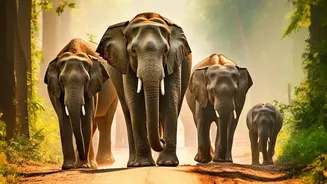
As India's oldest national park, Jim Corbett is a legendary destination. While its core zones like Dhikala and Bijrani close for the monsoon, buffer zones often remain accessible, and the full park typically reopens around the first of October, weather permitting. Located in the foothills of the Himalayas, its diverse landscape of Sal forests, grasslands, and riverine belts is breathtakingly beautiful after the rains. The Ramganga River flows full and fast, and the chances of spotting herds of elephants are high. It's also a prime destination for birdwatching, with over 580 species recorded.
Wildlife Pick: Periyar National Park, Kerala
Unlike its northern counterparts, Periyar National Park in Kerala remains open year-round, making it an excellent post-monsoon choice. The experience here is unique, centred around boat safaris on the vast Periyar Lake. After the rains, the forest is a deep, saturated green, and the lake's banks attract elephants, gaur (Indian bison), and sambar deer that come to graze on the fresh grass. The cooler weather and misty mornings create a wonderfully atmospheric journey into the heart of the Western Ghats, offering a tranquil alternative to the classic jeep safari.