






The National Dish: Machboos
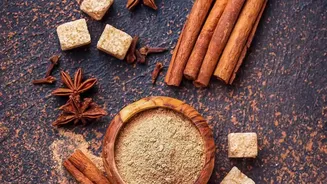
No culinary tour of Qatar is complete without trying Machboos, the country's celebrated national dish. This aromatic and hearty meal consists of rice slow-cooked with a symphony of spices like cinnamon, cardamom, and dried lime (loomi), served with tender
chicken, lamb, or fish. The slow cooking process ensures the meat is succulent and the rice absorbs all the complex flavours. While you can find it in many local eateries, some restaurants have become famous for their exceptional versions. It is often served with a simple salad and a flavourful tomato sauce on the side, representing the core of Qatari comfort food and hospitality. For a visitor, this dish is the perfect introduction to the spices and cooking methods that define the region's cuisine.
Souq Waqif: A Culinary Crossroads
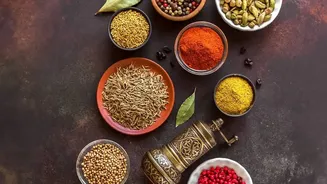
The bustling, labyrinthine alleyways of Souq Waqif are the vibrant heart of Doha's traditional food scene. Here, you can embark on a sensory journey, from the aroma of spices spilling out of jute sacks to the sizzle of grills. For an authentic experience, try eateries like Al Jasra Traditional Food, a spot run by local women serving home-style dishes like harees and madrouba. Another must-visit is Shay Al Shoomos for a traditional Qatari breakfast, featuring the sweet and savoury noodle dish Balaleet or crispy regag bread. As evening falls, the souq comes alive with street food vendors and restaurants like Parisa Souq Waqif, known for its stunning Persian-inspired decor and Gulf specialities, or Bandar Aden, a favourite for Yemeni dishes like mandi.
A Taste of Home: Harees and Thareed
Two dishes that truly capture the essence of Qatari home cooking are Harees and Thareed. Harees is a comforting porridge-like dish made from slow-cooked wheat and meat (usually chicken or lamb) until it reaches a smooth, creamy consistency. It’s a staple, especially during Ramadan and family celebrations, prized for its nourishing qualities. Thareed, sometimes compared to a Middle Eastern lasagna, features pieces of flatbread soaked in a hearty meat and vegetable stew. This dish beautifully demonstrates the Bedouin tradition of making humble ingredients go a long way, creating a deeply satisfying meal. Restaurants like Al Tawash and Bayt Sharq are known for serving these authentic, slow-cooked specialities in traditional settings.
The Karak Culture: More Than Just Tea
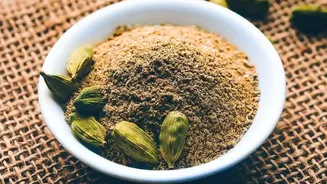
In Qatar, Karak tea is more than a beverage; it’s a cultural ritual. This strong, sweet, and milky tea, infused with cardamom, is a daily obsession for locals. You'll find cafes dedicated to it across the country, often with queues of cars lining up for their fix. Karak Mqanes is a popular chain where you can experience this phenomenon firsthand, pairing your tea with simple snacks. Another iconic spot is Chapati & Karak, which serves the beloved tea alongside flaky chapati bread with various fillings. Enjoying a cup of karak provides a delicious taste of everyday life and social culture in Qatar.
Sweet Endings: Luqaimat and Kunafa
A Qatari meal often concludes with decadent traditional desserts. Luqaimat are small, deep-fried dumplings that are crispy on the outside, soft on the inside, and drenched in sweet date syrup or honey. These golden bites are especially popular during festive occasions and are a perfect, shareable treat. Another beloved dessert across the region is Kunafa, a pastry made with spun dough or semolina, layered with soft cheese, baked to golden perfection, and soaked in a sweet syrup. For a memorable taste, head to Al Aker Sweets in Souq Waqif, a legendary spot for trying different varieties of this irresistible dessert.