





Living with asthma means relying on medication, but what if you could better manage symptoms with your own breath? This guide explores breathing techniques and the science behind their potential to improve your quality of life.
More Than Just Air
For millions of Indians
living with asthma, inhalers are a non-negotiable part of life. They are essential for managing inflammation and opening up the airways during an attack. However, a growing body of evidence suggests that specific breathing exercises can be a powerful complementary tool. These techniques don't replace medication, but they can help improve quality of life, reduce symptoms of hyperventilation, and give individuals a greater sense of control over their condition. The goal is to retrain breathing patterns to be more efficient, calm the nervous system, and strengthen respiratory muscles. Think of it as physiotherapy for your lungs.
Diaphragmatic and Pursed-Lip Breathing
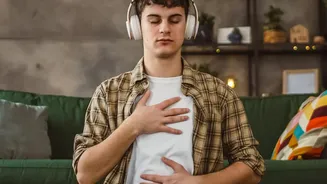
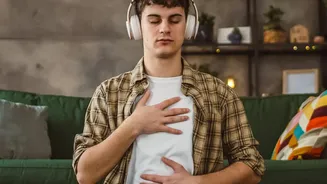
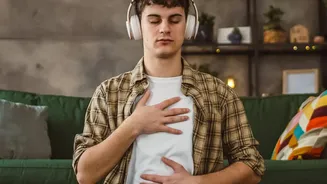
Among the most widely recommended techniques are diaphragmatic (or 'belly') breathing and pursed-lip breathing. Diaphragmatic breathing focuses on using the large muscle at the base of the lungs—the diaphragm—to take deep, efficient breaths. This helps strengthen the muscle and reduces the effort of breathing. Pursed-lip breathing involves inhaling slowly through the nose and exhaling even more slowly through tightly pressed lips, as if blowing out a candle. This simple technique helps keep the airways open for longer, improving gas exchange and providing quick relief during shortness of breath. Studies show these methods can improve lung function, reduce breathlessness, and enhance overall quality of life.
The Buteyko Method
Developed in the 1950s, the Buteyko Breathing Method (BBM) is based on the idea that many people with asthma chronically over-breathe or hyperventilate. The technique involves a series of exercises, including nasal breathing and controlled breath-holding, to 'retrain' the body's respiratory centre to tolerate normal levels of carbon dioxide, which helps relax the airways. Several clinical trials and systematic reviews have examined Buteyko. The consensus is that while it doesn't seem to change underlying lung physiology, it can lead to significant improvements in asthma symptoms and quality of life, and may reduce the need for reliever inhalers. Recent meta-analyses confirm it can improve asthma control in both adults and children.
Pranayama: The Yogic Approach
In India, the connection between breath and well being has been understood for centuries through the practice of yoga. Pranayama, the formal practice of controlling the breath in yoga, involves various techniques that are now being studied for their therapeutic effects on asthma. Research has shown that practices like slow, deep breathing and other specific yogic breathing patterns can strengthen respiratory muscles and improve asthma control and quality of life. Some studies indicate consistent practice can lead to measurable improvements in lung function parameters like Peak Expiratory Flow Rate (PEFR). Evidence suggests yoga breathing is among the most effective techniques for improving quality of life for those with asthma.
The Papworth Method
The Papworth method, developed in the 1960s, is another technique that combines diaphragmatic, nosecentric breathing with relaxation exercises. It aims to help individuals develop a breathing pattern that is appropriate for their level of activity, thereby reducing hyperventilation. The first major randomised controlled trial on the method found that it reduced respiratory symptoms by about a third and also decreased associated anxiety and depression. This improvement in symptoms was shown to be maintained even a year later. Like other techniques, it primarily helps manage the manifestation of asthma symptoms rather than changing the underlying disease.
What the Experts Say
Leading global bodies like the Global Initiative for Asthma (GINA) acknowledge the role of these practices. The latest GINA reports state that breathing exercises can be a useful supplement to prescribed medications for improving symptoms and quality of life. However, they are clear that these exercises are not a substitute for standard pharmacological treatment, especially inhaled corticosteroids (ICS), which are crucial for controlling airway inflammation. The evidence consistently shows that while breathing techniques improve patientreported outcomes like symptoms and well being, they don t consistently improve objective lung function tests or reduce the risk of severe flareups.