


Understanding Monsoon Risks
The Indian monsoon, with its high humidity and waterlogged streets, creates a perfect breeding ground for various health threats to dogs. The constant dampness can lead to a spike in skin and ear infections, as moisture trapped in fur and ears allows
bacteria and fungi to thrive. This can result in itchy hotspots, yeast infections, and a condition known as pyoderma, a bacterial skin infection. Beyond skin issues, stagnant puddles are a serious concern. They can be contaminated with leptospirosis, a severe bacterial disease spread through the urine of infected animals, which poses a significant risk to dogs who drink from or walk through them. The wet, grassy environments also lead to a boom in parasites like ticks and fleas.
Essential Pre-Walk Preparations
Before you even step out, a few key preparations can drastically reduce health risks. Investing in a good quality waterproof raincoat is a great first step. It helps keep your dog's coat dry, which is crucial for preventing skin infections, especially for long-haired breeds. Consider dog booties to protect their paws from muddy, contaminated water and sharp objects hidden in puddles. If your dog won't tolerate boots, applying a protective paw wax can offer a barrier. Also, check the weather forecast. If heavy rain or thunderstorms are predicted, it's wiser to opt for a very short toilet break or indoor playtime instead. Planning walks during lighter showers can make the experience safer and more pleasant for everyone.
Navigating the Walk Safely
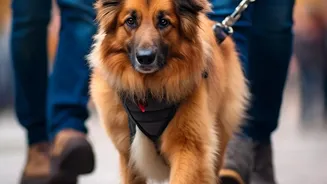
Once you're outside, be mindful of the route you take. Steer your dog away from stagnant puddles and garbage piles, as these are hotbeds for bacteria and water-borne diseases. Keeping your dog on a short leash gives you better control to guide them away from these hazards. Using a waterproof leash and harness is also a good idea, as regular fabric ones can become soggy, heavy, and difficult to grip. On gloomy, overcast days, visibility is often poor. Using reflective gear, like a reflective collar or vest for your dog, is a simple safety measure to ensure they are seen by passing vehicles.
The Crucial Post-Walk Routine
What you do after the walk is just as important as the walk itself. The moment you get home, a thorough drying session is non-negotiable. Have a highly absorbent towel, like one made of microfibre, ready at the door. Pay special attention to drying their paws, the area between the toes, their underbelly, and inside their ears—anywhere moisture can get trapped. For long-haired dogs, a hairdryer on a low, cool setting can be used if they aren't frightened by the noise. Once they are dry, inspect their paws for any cuts or debris. A quick check of their entire coat for ticks is also a smart habit to get into during monsoon. Finally, always provide fresh, clean drinking water, as they might be thirsty after their walk and you want to prevent them from drinking from unsafe sources.