




Beyond the Landmark Checklist
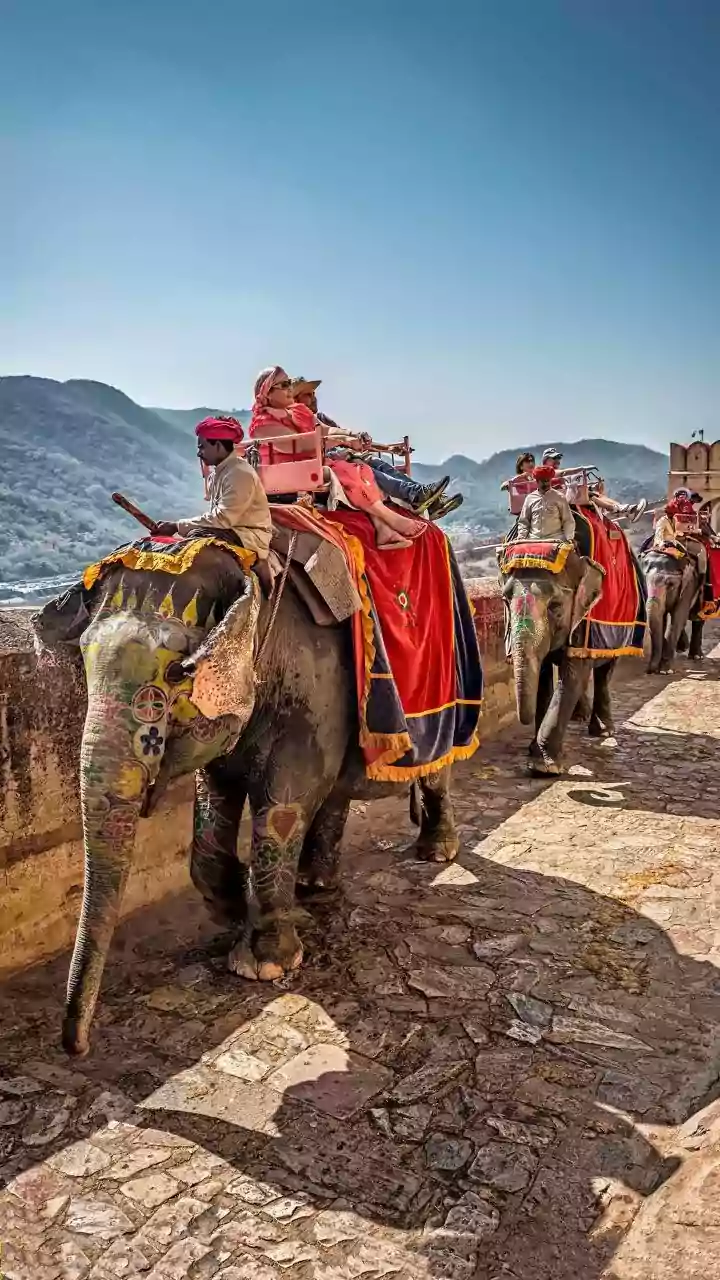
For decades, a trip to India was often measured by the number of forts, palaces, and UNESCO sites visited. But a significant shift is underway. Recent reports and travel trends show that a growing number of travellers are seeking deeper, more authentic
connections with the country's living culture. This has given rise to a new, informal way of measuring a journey's success—a 'Culture Travel Index' defined by immersive experiences rather than a checklist of sights. According to a report from travel app Skyscanner, 84% of Indian travellers say their interest in cultural travel has grown, with 67% planning trips specifically around heritage, food, and festivals. This new mindset prioritizes connection, participation, and understanding over simple observation.
The Culinary Journey as a Destination
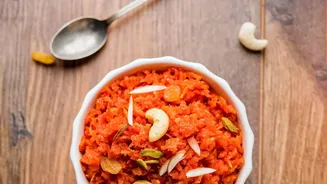
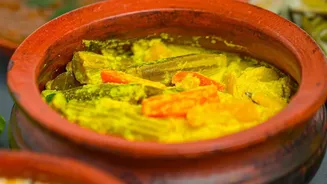
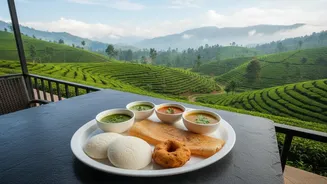
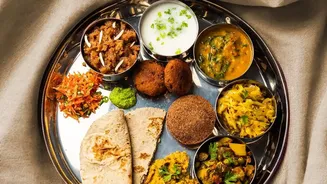
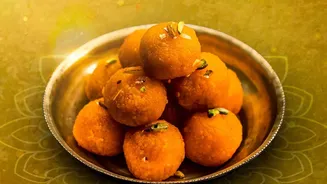
Food has become a primary motivator for travel in India. The new cultural tourist isn't just eating at restaurants; they are embarking on culinary journeys. This means joining guided street food tours in Delhi to understand the history of chaat, taking cooking classes in a Keralan home to learn the secrets of a perfect curry, or exploring spice plantations. The focus is on the story behind the food—how geography, history, and community shape a region's palate. From the vegetarian thalis of Gujarat to the royal kitchens of Rajasthan, travellers are discovering that the best way to understand India is often at its dining tables and bustling food markets. Travel companies are responding with dedicated culinary tours that offer genuine experiences, moving beyond hotel buffets to connect visitors with home cooks and generational recipes.
Living the Calendar of Colour
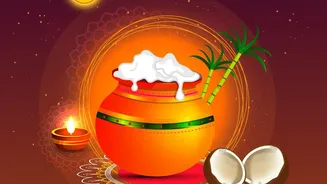
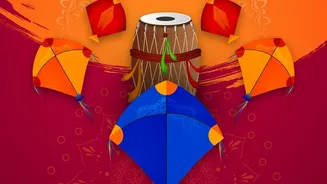
India’s festival calendar is a vibrant and powerful draw for tourists seeking cultural immersion. Travellers now plan entire trips around experiencing major events like the dazzling lights of Diwali in Jaipur, the playful chaos of Holi in Mathura, or the artistic devotion of Durga Puja in Kolkata. The goal is participation, not just spectating from a distance. This approach offers unparalleled insight into local traditions and community spirit. But it's not just about the big-name festivals. Smaller, regional celebrations are also gaining traction, offering a glimpse into the country's immense diversity. Tour operators suggest that while these experiences require more planning, the reward is an unforgettable connection to the heart of Indian culture.
The Art of Being a Respectful Guest
The third, and perhaps most crucial, pillar of this new travel index is etiquette. Understanding and respecting local customs is what transforms a tourist into a welcome guest. Simple gestures, such as greeting people with a polite 'Namaste' instead of a handshake, removing shoes before entering a home or temple, and dressing modestly, especially at religious sites, go a long way. Dining etiquette, like using the right hand to eat, is another important custom to observe. This cultural sensitivity isn't just about avoiding missteps; it's about showing respect and opening the door to more meaningful interactions. By making an effort to understand these social norms, travellers can connect more deeply with the people they meet, turning a simple holiday into a profound cultural exchange.
A More Meaningful Way to Travel
This shift towards a culture-first approach reflects a global trend of travellers seeking more sustainable and meaningful journeys. By focusing on food, festivals, and etiquette, visitors are not only enriching their own experiences but also contributing directly to the local economies of smaller towns and communities. This model supports the preservation of intangible heritage—the recipes, rituals, and customs that define a place. A recent report noted that one in four travellers in India are now heading to Tier 2 and Tier 3 towns for these cultural experiences, moving beyond the usual metro circuit. This dispersal of tourism helps ensure that the benefits of travel are shared more widely, fostering a more equitable and respectful industry.