








The Shifting Inflation Story
Contrary to expectations of relief, India's retail inflation actually quickened in June 2026, rising to 4.38%. This figure pushed past the Reserve Bank of India's (RBI) medium-term target of 4% for the first time in over a year. The increase was primarily
driven by rising food and fuel prices, putting renewed pressure on household budgets across the country. While this number is still within the RBI's tolerance band of 2% to 6%, the upward trend signals that the fight against rising costs is far from over.
Gains: Some Relief at the Kirana Store
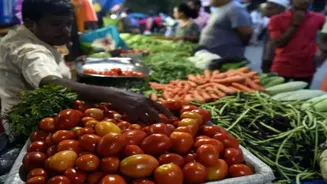
Despite the overall inflation number rising, there are specific areas where consumers have found some relief, offering a small 'gain' for household budgets. The most notable price drops were seen in certain vegetables. For instance, potato prices fell by over 20% compared to a year ago, and peas also became cheaper. This is welcome news for the daily grocery run. Additionally, the prices for items like motor cars and scooters have also seen a year-on-year decline, which could be a small win for those planning a major purchase. Housing inflation also remained relatively moderate at 2.10%, providing some stability for renters and recent homebuyers.
Checking: The Pressure Points on Your Budget
Now for the part that needs careful checking. The primary driver of the inflation spike was the food basket itself, which saw overall inflation rise to 5.32%. Items like ginger and tomatoes became significantly more expensive, with prices surging by over 50% and 31% respectively. This shows that while some specific vegetables are cheaper, the overall cost of food is climbing. Another major concern is fuel. Transport inflation accelerated to 4.31% in June, reflecting the rise in fuel prices. For young households that rely on personal vehicles for commuting, this directly translates to higher monthly expenses.
The EMI Question: What About Loans?
With inflation ticking upwards and crossing the 4% mark, the hope for an immediate cut in interest rates has faded. The RBI had already kept the benchmark repo rate unchanged at 5.25% in its June policy meeting, citing risks from food and energy prices. In fact, the central bank raised its inflation forecast for the financial year. For young individuals with home loans, car loans, or personal loans on floating rates, this means that EMIs are unlikely to decrease anytime soon. Some economists even suggest that if this inflationary pressure continues, the RBI might consider a rate hike later in the year to control it.
Beyond Food and Fuel: The 'Core' Problem
Economists often look at 'core inflation', which strips out volatile food and fuel prices to get a better sense of underlying price pressures. Here, the news is mixed. While some reports before the data release expected core inflation to be contained, other indicators suggest stickiness. Prices for services like eating out at restaurants, personal care, and social protection have seen a sharp increase. For example, inflation for restaurant services was nearly 7%. Even the cost of gold and silver jewellery has skyrocketed, a concern for families planning for weddings or making investments. This shows that even if vegetable prices cool down, the cost of living, in general, is still on an upward trend.