






Understanding E20 and Flex-Fuel Vehicles
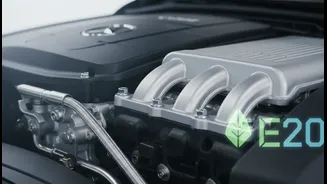
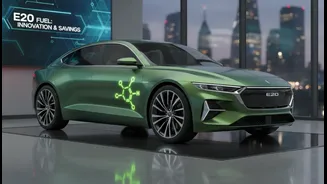
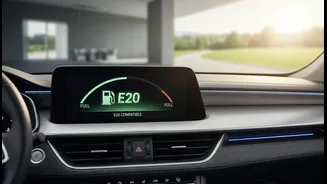
Before diving into the savings, let's clarify the terms. E20 petrol is a blend of 20% ethanol and 80% petrol, which is now the standard fuel across India. This initiative is part of a larger government strategy to reduce crude oil import dependency, lower
carbon emissions, and support the agricultural sector by creating demand for ethanol produced from crops like sugarcane and maize. Flex-fuel vehicles (FFVs) are a step beyond this. They are engineered with special engines and fuel systems that can run on any blend of petrol and ethanol, from standard petrol all the way up to E85 (85% ethanol) or even E100 (pure ethanol). This flexibility is what makes them a cornerstone of the country's long-term energy strategy.
The Government’s Push for Ethanol
India's shift towards ethanol-blended fuel is a top-down policy with ambitious goals. The government fast-tracked its target for 20% ethanol blending nationwide, achieving it by 2025-26, years ahead of the original 2030 schedule. The primary motivators are economic and environmental. India imports over 85% of its crude oil, making its economy vulnerable to global price shocks. By increasing the use of domestically produced ethanol, the country can reduce this import bill, enhance its energy security, and direct payments towards its own farmers. The government argues that this transition strengthens the rural economy, turning farmers into energy producers ('Urjadatas'), and provides a cleaner-burning fuel that helps reduce vehicular emissions.
Connecting Policy to Your Pocketbook
So, how does this national strategy translate into lower registration costs? The headline's claim hinges on the government's use of financial incentives to encourage the adoption of desired technologies. While a direct, nationwide discount on registration for all E20-compliant cars is not yet a uniform policy, the framework is being built through various incentives for greener vehicles. The NITI Aayog, in its 2021 roadmap, explicitly recommended 'tax incentives for vehicles compatible with E20' to accelerate adoption. This can take the form of lower road tax, which is a significant component of the on-road price of a new car. Road tax is a state-level levy, often calculated as a percentage of the vehicle's ex-showroom price, and can range from 4% to over 20% depending on the state and vehicle cost. States have precedent for offering tax concessions for CNG and electric vehicles, and the industry is advocating for similar incentives for FFVs to make them more attractive to buyers.
The Incentive Blueprint in Action
The government is actively creating a fiscal environment to favour higher ethanol blends and the vehicles that can use them. Recently, central excise duties were waived for petrol blended with 22% to 30% ethanol (E22-E30). While these fuels are not yet widely available, the move signals the government's intent to make higher blends cheaper to produce and, potentially, cheaper at the pump. This tax structure is a clear incentive for oil companies to move beyond E20. For consumers and automakers, the push for incentives is now focused on the vehicles themselves. Industry leaders and government figures have spoken about the need for supportive policies, including fuel pricing support and targeted incentives, to speed up the adoption of flex-fuel vehicles. The expectation is that state governments will be encouraged to offer road tax concessions for FFVs, similar to the benefits offered to EV buyers.
What to Consider Before Buying
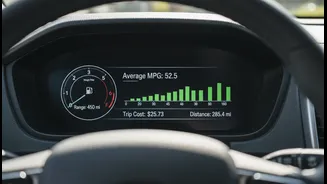
While the prospect of lower registration costs is appealing, buyers should be aware of the full picture. The primary concern for many consumers with E20 fuel has been a slight drop in mileage, typically estimated between 3-5%, because ethanol has a lower energy density than petrol. For flex-fuel vehicles, the cost of acquisition might be slightly higher due to the more complex engine and fuel system components. However, the government's strategy is to offset these factors. Cheaper E85 fuel is expected to compensate for lower mileage, and potential tax breaks on the vehicle purchase are meant to address the higher initial cost. As a potential buyer, the key is to stay informed about the specific policies and tax structures in your state, as these will ultimately determine the final on-road price and long-term savings.