






Master the Map Before You Go
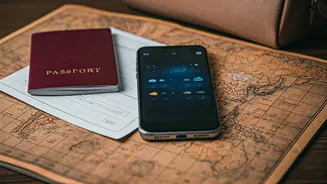
Your journey begins long before you step out of the door. In the age of digital tools, pre-trip reconnaissance is your best friend. Use online maps to do more than just find your hotel; use them to understand the city's geography. Pin all your must-see
attractions, restaurants, and potential accommodation options. This simple act creates a visual overview, revealing how far apart things truly are. You'll start to see natural clusters of attractions, which is the foundation of a smart itinerary. This digital map becomes your personal guide, helping you gauge travel times between locations and preventing the common mistake of underestimating distances. Familiarizing yourself with the layout of a city or region before you arrive removes a huge layer of uncertainty and helps you start your trip with confidence.
Choose Your Home Base Wisely
Where you stay is the single most important decision for managing your time. The cheapest hotel on the outskirts of town can become expensive when you factor in the daily cost and time of commuting. When looking at accommodation, 'central' is relative. Instead of just looking for the city center, consider what you want to be central to. If your interests are museums and historical sites, find a place in that district. If it's all about food and nightlife, prioritise that neighbourhood. A well-located base minimises travel fatigue and maximises your time for enjoyment. Reading recent reviews with a focus on location and accessibility to public transport can provide invaluable insight. Booking your first few nights in advance, especially in a well-researched area, ensures you have a reliable and convenient place to settle in upon arrival.
The Art of Itinerary Clustering
One of the biggest mistakes first-time travellers make is creating an over-ambitious itinerary that has them zigzagging across the city. This turns a vacation into a frantic checklist. The smarter approach is 'clustering'. Group your activities by neighbourhood or area. Dedicate a day, or at least a morning or afternoon, to exploring one specific part of the city. For example, if you're visiting Delhi, you might spend one day exploring the historical monuments of Old Delhi and another exploring the markets and cafes of South Delhi. This method is far more efficient and relaxing. It allows you to immerse yourself in the vibe of a neighbourhood and leaves room for spontaneous discoveries—like a charming cafe or a hidden alleyway—that you'd miss if you were just rushing from one landmark to another.
Understand the Local Rhythm
Great timing is about more than just museum opening hours. It's about understanding the pulse of your destination. When does the city wake up? When is rush hour? In many Indian cities, for example, traffic can grind to a halt during peak office hours, making a short trip take three times as long. Plan to travel between neighbourhoods outside of these times. Similarly, consider the time of day for specific activities. Major landmarks are often swamped with tour groups mid-morning. An early morning visit might offer a more peaceful experience and better light for photos. In hot climates, plan indoor activities like museum visits for the sweltering midday hours and save outdoor exploration for the cooler mornings and late afternoons. Always check for local holidays or events that could lead to closures or massive crowds.
Navigate Like a Pro On the Ground
Once you arrive, your planning pays off. Having a sense of the map allows you to make smart on-the-ground decisions. Familiarize yourself with the local public transport system, as it's often the most efficient and affordable way to get around and experience the city like a local. Many cities have apps for real-time schedules and ticketing. For shorter distances or when time is tight, ride-sharing apps are a great option, but be aware of surge pricing during peak times. Most importantly, while planning is crucial, so is flexibility. Don't be afraid to deviate from the plan. If you discover a fascinating market or get a great recommendation from a local, allow yourself the freedom to explore. Sometimes the best travel memories come from the detours, not the destinations.