




Target the Source: Eliminate Standing Water
The single most effective step in mosquito control is eliminating their breeding grounds. Mosquitoes need only a tiny amount of stagnant water to lay hundreds of eggs. A weekly tour of your garden can make a massive difference. Pay close attention to flowerpot
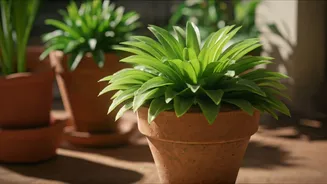
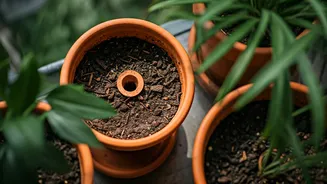
saucers, which are often overlooked sources of standing water. Also, check for water collecting in unused buckets, wheelbarrows, children's toys, and even on tarps. Ensure your gutters are clean and free of debris to prevent water from backing up. If you have a birdbath, change the water at least once a week to keep it fresh and inhospitable for larvae. For potted plants, ensure good drainage to prevent water from pooling at the bottom.
Plant a Fragrant Defence
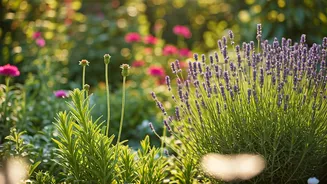
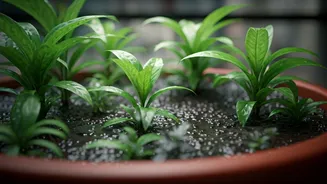
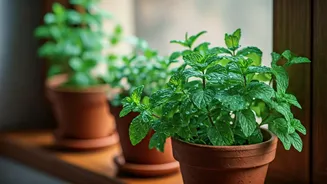
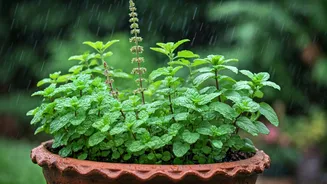
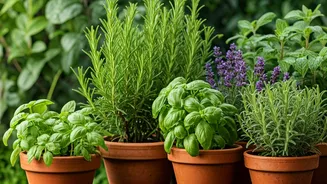
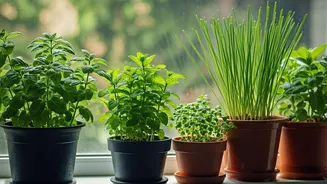
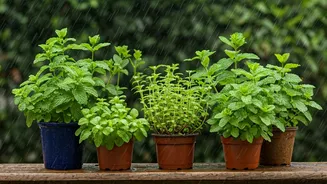
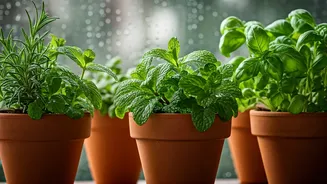
Your garden can become a beautiful and fragrant barrier against mosquitoes. Many plants release aromatic oils that naturally confuse and repel these pests. For Indian climates, some of the best choices include Citronella and Lemongrass, famous for the oil used in many commercial repellents. Marigolds are another excellent option; they contain pyrethrum, a natural insecticide, and their bright blooms add a splash of colour. Traditional household plants like Tulsi (Holy Basil) and Mint (Pudina) are also highly effective. Tulsi is revered for its purifying properties and strong aroma that deters mosquitoes. Mint is easy to grow in pots but be aware it can spread aggressively. Other useful additions include Lavender, Rosemary, and Neem, all of which release scents that mosquitoes dislike.
Strategic Garden Maintenance
Beyond removing water, general garden upkeep plays a crucial role. Adult mosquitoes rest in cool, damp, and shady areas during the heat of the day. Tall grass, overgrown shrubs, and dense vegetation provide the perfect hiding spots. By keeping your lawn mowed, trimming hedges, and clearing away piles of leaves or garden debris, you eliminate these resting places, making your garden far less inviting. A well-maintained garden not only looks better but also disrupts the mosquito life cycle. This simple practice reduces the adult mosquito population, which in turn means fewer eggs being laid in any remaining water sources.
Invite Natural Predators
Create a balanced ecosystem by encouraging natural mosquito predators to visit your garden. Birds like swallows, as well as bats and dragonflies, are voracious consumers of mosquitoes. A single bat can eat hundreds of mosquitoes in an hour. You can attract these helpful creatures by installing birdhouses or bat boxes. If you have a garden pond, introducing fish like guppies or Gambusia (mosquito fish) can control larvae populations effectively. Certain plants, such as Swamp Milkweed and White Yarrow, can also help attract dragonflies and other beneficial insects that prey on mosquitoes. This form of biological pest control is an eco-friendly way to keep numbers in check.
Complementary Measures for Comfort
While garden management is key, a few extra steps can enhance your comfort. The essential oils from repellent plants are most effective when their leaves are bruised or crushed to release the scent, so plant them along pathways or near seating areas where you might brush past them. For immediate, localised protection during an evening outdoors, consider using citronella candles or diffusing essential oils like lavender, neem, or eucalyptus. Simple fans on a patio or balcony can also be surprisingly effective, as the breeze makes it difficult for mosquitoes to fly and land. These complementary tactics, combined with a well-managed garden, create multiple layers of defence for a more peaceful outdoor experience.