


The Monsoon's Gradual Goodbye
While the southwest monsoon typically begins its withdrawal from northwest India in mid-September, the process is slow and varies across the country. Forecasts for 2026 suggest a drier-than-usual September overall, with an on-time withdrawal expected
around September 17. However, this doesn't mean rain-free days are guaranteed, especially in the first half of the month. The monsoon's retreat is more of a gradual fade than a sudden stop. This means travellers can expect a mix of bright, sunny spells and sudden, sharp showers. The post-monsoon period leaves the hills stunningly green, but the soil is saturated, which requires some caution.
Regional Weather: North vs. Northeast vs. South
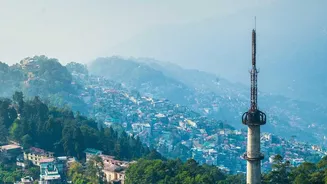
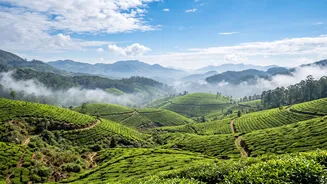
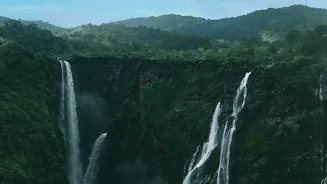
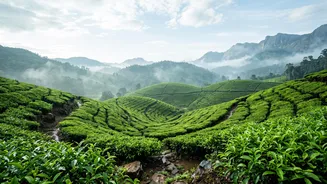
Different hill regions experience September's weather differently. In North India, destinations like Shimla and Manali see the monsoon retreating, leading to clearer skies and more pleasant temperatures, although afternoon showers are still possible. Forecasts for early September 2026 show chances of light rain. The Northeast, including Darjeeling and Gangtok, often holds onto moisture longer. Expect comfortable temperatures but a higher probability of rain, with 15 to 22 rainy days being average for Darjeeling in September. In the South, hill stations in the Western Ghats like Munnar and Coorg are emerging from heavy monsoons. September here is characterised by decreasing rainfall, high humidity, and breathtakingly lush scenery. Waterfalls are at their peak, but roads are just beginning to dry out.
Safety First: Navigating Post-Monsoon Roads
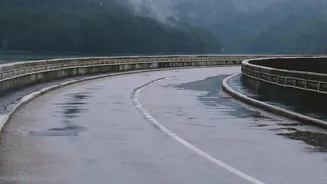
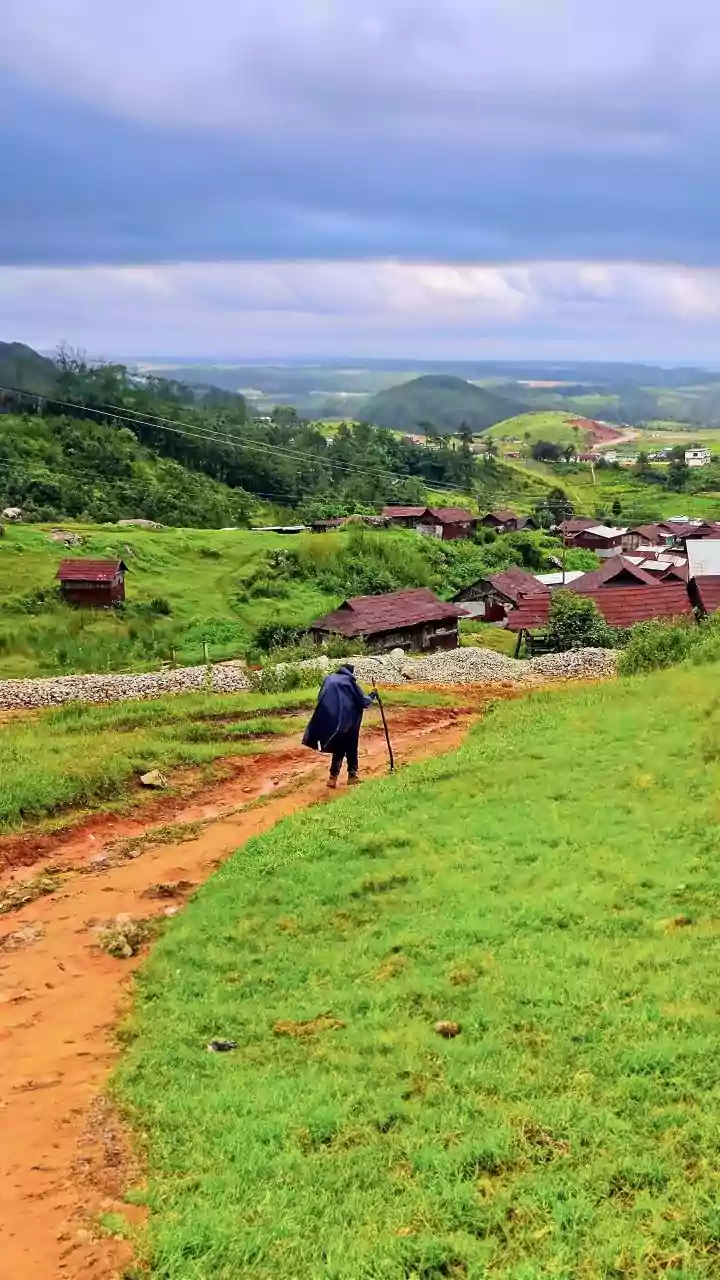
The biggest risk of travelling to the hills in September is not the rain itself, but its effect on the landscape. The ground is often waterlogged from months of rain, increasing the danger of landslides and rockfalls, particularly in the geologically fragile Himalayas. Recent disasters in the region highlight how quickly conditions can change. It's crucial to be flexible with your itinerary. Avoid travelling at night when visibility is poor. Always check local road conditions before starting your journey and have a backup plan. Landslides can close roads for hours or even days, so building buffer time into your schedule is essential for a stress-free trip.
Your Essential September Packing List
Packing smart can make all the difference. Instead of a bulky umbrella, consider a lightweight, waterproof jacket that allows for easy movement. Footwear with a solid grip is non-negotiable for slippery paths and uneven streets. Given the humidity, opt for quick-drying, breathable fabrics. It's also wise to carry a waterproof bag or pouch for your electronics and important documents. Since intermittent rain can sometimes lead to power cuts in more remote areas, a fully charged power bank is a useful accessory. Finally, a basic medical kit with mosquito repellent is always a good idea during this season.
Embracing the Shoulder Season
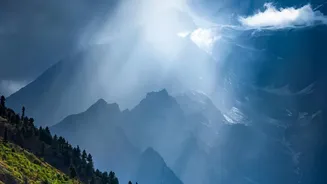
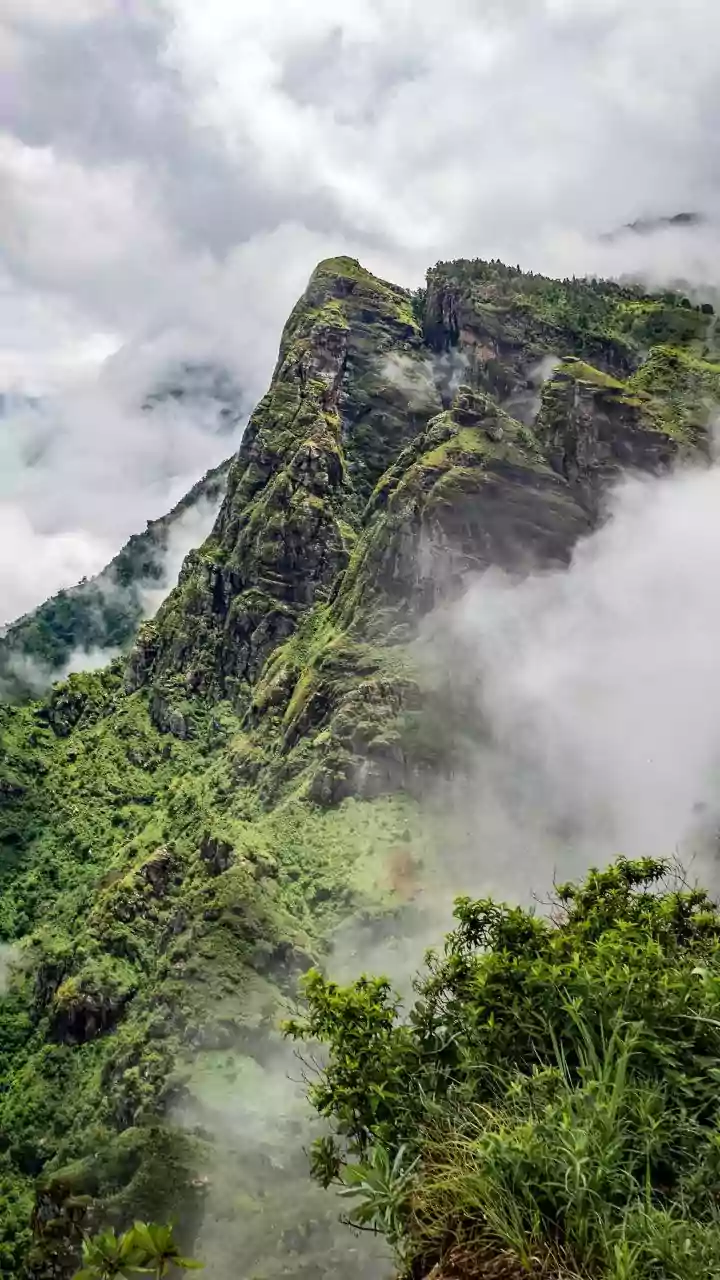
If you're prepared for occasional showers, September offers unique rewards. The landscapes are at their most vibrant, washed clean by the monsoon. Waterfalls that are mere trickles in summer become powerful cascades. Tourist crowds are thinner than in the peak seasons of summer and autumn, which often means better deals on accommodation and a more peaceful experience. A rainy afternoon can be the perfect excuse to slow down, enjoy a warm drink at a local cafe, or simply watch the clouds drift across the mountains from your hotel window. It’s a time to appreciate the dramatic, misty beauty of the hills, rather than chasing a packed sightseeing agenda.