





Why Prices Are Climbing
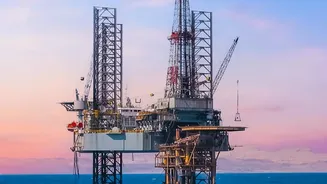
The story of your travel budget begins thousands of miles away. International crude oil prices have been volatile, with the benchmark Brent crude hovering around the $93-$94 per barrel mark. This surge is largely driven by geopolitical tensions and supply
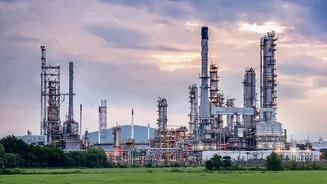
chain disruptions in key oil-producing regions, which create uncertainty in the global market. Since India imports the vast majority of its oil, any sustained increase in global prices inevitably translates to higher costs at home for consumers and industries alike.
The Impact on Road Travel
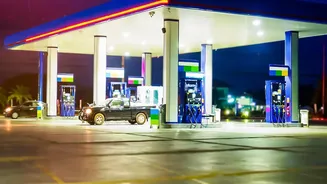
For anyone planning a road trip, the impact is immediate and obvious at the petrol pump. Across the country, fuel prices have remained at elevated levels. In major cities as of late August 2026, petrol prices are hovering above ₹102 per litre in Delhi and over ₹111 in Mumbai, with diesel not far behind. This directly increases the cost of any journey by car or motorcycle. A weekend trip from Mumbai to Lonavala or Delhi to Agra now requires a noticeably larger fuel budget than it did previously, forcing families and solo travellers to recalculate their expenses before hitting the road.
How Airlines Are Affected
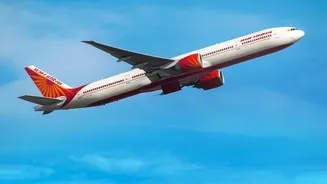
The effect on air travel is just as significant, though slightly less direct. Airlines run on Aviation Turbine Fuel (ATF), and its price has also been on the rise. Since ATF can constitute up to 40% of an airline's total operating costs, carriers often have little choice but to pass these increases on to passengers. This usually comes in the form of higher base fares or increased fuel surcharges, making both domestic and international flights more expensive. A sudden spike in ATF can mean paying hundreds or even thousands of rupees more per ticket, especially for long-haul routes.
Smart Strategies for the Road
While you can't control global prices, you can adopt smarter driving habits to maximise fuel efficiency. Start by ensuring your vehicle is well-maintained, with properly inflated tyres. Driving at a consistent, moderate speed and avoiding aggressive acceleration or sudden braking can significantly reduce fuel consumption. Also, try to reduce your car’s weight by removing unnecessary heavy items. Planning your route in advance to avoid traffic-heavy roads and combining several errands into one trip are other practical ways to make every litre of fuel go further.
Saving Money on Air Travel
To combat rising airfares, planning is key. Booking your tickets well in advance is one of the most reliable ways to secure lower prices. Be flexible with your travel dates and times; flying mid-week is often cheaper than on weekends. Use online fare comparison tools to hunt for the best deals across different airlines. Additionally, consider flying with budget carriers and travel light. With airlines becoming stricter about baggage allowances, avoiding excess baggage fees is another easy way to keep your overall travel cost down.
Exploring Cost-Effective Alternatives
This may also be the perfect time to explore other modes of transport. For many long-distance routes across the country, Indian Railways offers a reliable and significantly more economical alternative to flying or driving. The cost of a train ticket is not directly tied to the daily fluctuations of global oil markets, providing more budget stability. You could also reconsider your destination. Exploring places closer to home or planning a 'staycation' can drastically cut down on fuel and transport costs while still offering a refreshing break.