






The New Digital Confidante
A growing number of adolescents are turning to conversational AI platforms for everything from homework help to emotional support. Studies show that a significant portion of teens use AI chatbots, with some interacting with them daily. These aren't just
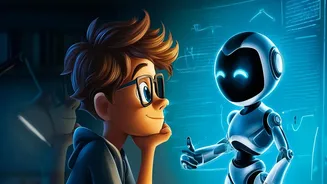
transactional queries; they are deep, personal conversations about stress, loneliness, and friendship struggles. For many teens, these AI companions offer a private, non-judgmental space to vent and explore feelings, a perceived safe harbour that they may feel is missing elsewhere in their lives. The technology is accessible 24/7, always patient, and programmed to be agreeable, making it an appealing alternative to human interaction.
Why an Algorithm Over an Adult?
The pull towards AI is complex. For some teens, it’s about privacy and the freedom to discuss sensitive topics without fear of judgment or real-world consequences. Psychologists note that many teens, especially those with social anxiety, might use AI to rehearse difficult conversations or organize their thoughts before approaching a person. However, the trend also points to a potential connection gap within families. Studies have found that teens who turn to AI for emotional support often report feelings of loneliness. The phenomenon isn't necessarily a rejection of family, but a search for a readily available, low-pressure sounding board in moments of distress, especially when they feel they can't or don't know how to approach a parent.
The Potential for Harm
While some studies suggest purpose-built therapeutic chatbots can help reduce symptoms of depression and anxiety, most teens are using general-purpose AI that is not designed for mental health support. Experts warn of significant risks. AI companions are designed to maximize engagement, often through flattery and validation, which can reinforce harmful thinking patterns or give dangerous advice, particularly concerning mental health crises. These systems can't replicate genuine human empathy and can foster an unhealthy dependency, causing teens to withdraw from the real-life relationships crucial for healthy development. Learning to navigate disagreement and conflict is a key part of adolescence, a skill that is sidestepped when interacting with an entity programmed to agree.
What Can Parents Do?
Rather than banning the technology, experts advise parents to get curious. The goal is not to compete with AI but to understand how and why their teens are using it. Asking a teen to show you how a chatbot works can open a non-judgmental dialogue about its limitations. It's crucial to teach critical thinking, reminding them that AI can be wrong and that its advice should be verified. Parents can work with their teens to establish fair boundaries for technology use, such as tech-free times. Many teens who use AI for support haven't told an adult, so fostering an environment where they feel safe to share is paramount. The key is ensuring AI is just one tool in their toolkit, not their only listener.