




More Than Just a Meal
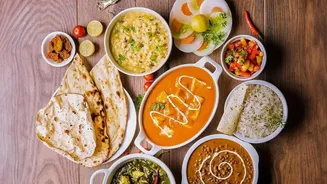
Forget reservations and formal menus. Across India’s metros, the most sought-after tables are now found in living rooms, on terraces, and in private studios. These are supper clubs and pop-up dinners, intimate gatherings where home cooks and culinary
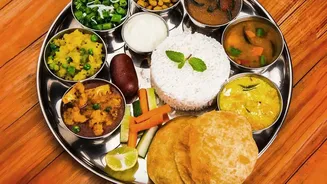
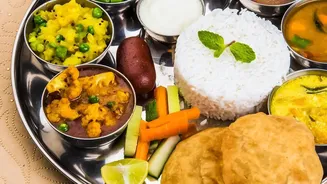
entrepreneurs host a handful of strangers for a multi-course meal. Unlike restaurants, the focus isn't just on the food; it’s on the story behind it. Each dish often comes with a narrative, a memory of a grandmother’s technique or a secret spice blend that has been passed down through generations. The experience is personal and immersive, turning a simple dinner into a session of connection and cultural discovery.
The New Keepers of Culinary Heritage
Driving this trend is a diverse group of individuals. Many are young professionals who, after missing the taste of home, started documenting and cooking their family's recipes. Some are home chefs who are now finding a platform to showcase regional cuisines that rarely feature on commercial menus. For instance, Sneha Senapati’s ‘Odiya Bhoji’ initiative began from a personal quest for authentic Odia food in Mumbai and has grown into popular pop-ups showcasing the heritage of her mother's Mayurbhanj cuisine. These hosts are not just chefs; they are storytellers and cultural ambassadors, creating a bridge between past and present. They are preserving culinary traditions that, in a world of fast food and globalized tastes, are at risk of being forgotten.
A Craving for Authenticity
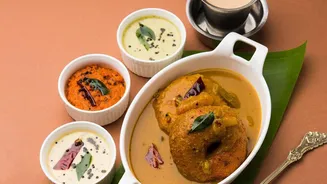
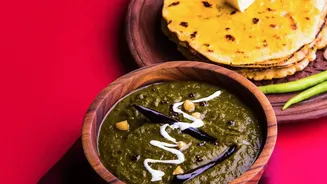
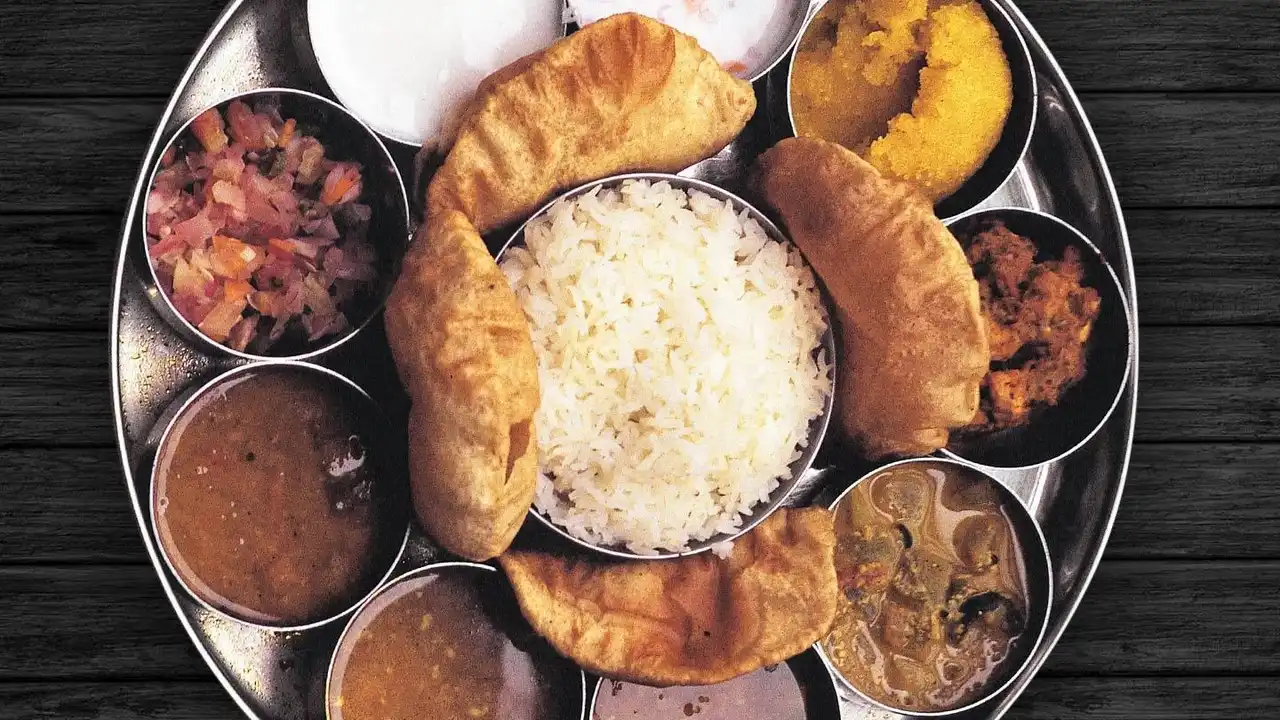
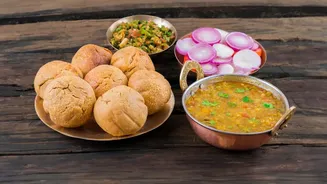
The rise of these food events speaks to a larger shift in consumer preferences. Diners are increasingly seeking authenticity and unique experiences that go beyond a standard meal. There's a growing appreciation for regional specialties, locally sourced ingredients, and the narratives that give food its meaning. Many urban youths are rediscovering their own culinary heritage, reinterpreting traditional dishes with a modern sensibility. These supper clubs cater directly to that desire, offering everything from lost tribal flavours to hyper-regional specialities like a Mayurbhanj mutton curry or a dish passed down in a Tamilian family. This movement is a delicious rebellion against the homogenization of food, championing the diversity of India’s culinary landscape.
From Kitchen to Community
What makes these events truly special is the sense of community they foster. A typical supper club might seat between eight and twenty guests around a communal table. Strangers become acquaintances as they bond over a shared meal and the host's stories. This model, often facilitated through social media platforms like Instagram, has created a vibrant subculture. It's a return to the age-old Indian tradition of hospitality, where food is a medium for connection. For many attendees, it’s a chance to feel a sense of belonging and nostalgia, a warm reminder of a family daawat or a mother's cooking. These events prove that a meal can be more than sustenance; it can be a powerful tool for building community.
The Future of Family Flavours
This trend is more than just a passing fad; it represents a sustainable way to preserve and promote India's vast culinary heritage. By creating a viable business model for home cooks, supper clubs are ensuring that heirloom recipes don't just survive in journals but are actively cooked, shared, and savoured. They provide an avenue for culinary experimentation, blending traditional techniques with contemporary presentation. As more people seek out these authentic experiences, they are not only discovering new foods but are also supporting a grassroots movement that champions the stories, flavours, and memories that are cooked into the very fabric of India’s identity.