







The Realm of Giants: Kaziranga's Elephants
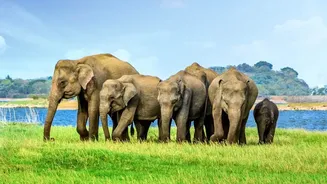
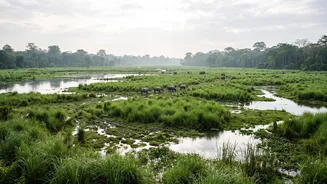
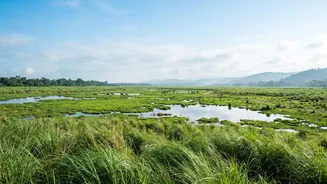
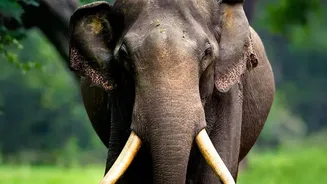
Kaziranga National Park, a UNESCO World Heritage Site, is a vital habitat for a significant population of Asiatic elephants. These majestic animals thrive in the park's diverse landscape of tall elephant grass, marshlands, and dense forests. The Brahmaputra
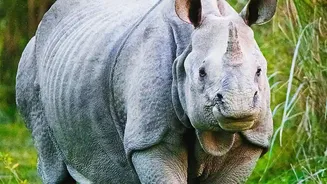
River and its many water bodies create a perfect environment, offering them ample food and water. Unlike in some other parks, elephants here roam in large herds, and sightings are common across different safari zones. Their presence is a sign of a healthy, thriving ecosystem, one that supports a wide range of large herbivores, including the world's largest populations of wild water buffalo and the iconic one-horned rhinoceros.
A Paradise for Birdwatchers
Recognised as an Important Bird Area (IBA) by BirdLife International, Kaziranga is a premier destination for birding in India. The park is home to nearly 500 species of resident and migratory birds. Its unique location and mix of wetlands, grasslands, and forests attract an incredible diversity of avian life. During winter, the park's wetlands, or 'beels', swell with visitors like the Bar-headed Goose, Northern Pintail, and various ducks flying in from Central Asia and Europe. Kaziranga is also a stronghold for rare and threatened species, including the Great Indian Hornbill, Bengal Florican, Black-necked Stork, and several species of eagles and vultures. The Eastern Range (Agaratoli) is particularly famous among birders for its concentration of waterfowl.
Choosing Your Safari Zone
Kaziranga is divided into four main safari zones, each offering a unique experience.Central Range (Kohora): The most popular zone, it offers classic grasslands and the highest density of rhinos, making it ideal for first-time visitors.Western Range (Bagori): Known for its open landscapes, this zone provides excellent opportunities for rhino and water buffalo sightings. Both Jeep and Elephant safaris are popular here.Eastern Range (Agoratoli): Considered the best for birdwatching, this zone is close to the Brahmaputra River and features numerous water bodies that attract migratory birds.Burapahar Range: This hilly, forested zone offers a different kind of adventure. It's the best place to spot Hoolock Gibbons, India's only ape, and other forest birds.
Jeep Safari vs. Elephant Safari
The park offers two distinct safari experiences: the wide-ranging Jeep safari and the intimate Elephant safari. The best choice depends on what you want from your visit. The Jeep safari covers more ground, allowing you to explore different landscapes and potentially see a wider variety of animals over a longer period. It's also more comfortable for families and photographers. The Elephant safari, conducted only in the early morning in the Central and Western zones, takes you off the beaten path and deep into the tall elephant grass where Jeeps cannot go. This offers an unparalleled opportunity for close-range rhino sightings, as the animals are accustomed to the elephants' presence. However, the rides are short (about an hour) and booking in advance is essential due to high demand.
Planning Your Essential Visit
The best time to visit Kaziranga National Park is from November to April, when the weather is pleasant and wildlife sightings are at their peak. The park remains closed from May to October due to monsoon floods. Winter (November to February) is ideal for birdwatching and comfortable weather, with temperatures ranging from 5°C to 25°C. The hotter months of March and April are considered best for spotting large animals, as they frequently gather around water sources. To make the most of your trip, many veterans suggest a combination of safaris: an elephant safari at dawn for the unique close-up experience, followed by a Jeep safari to cover more territory.