



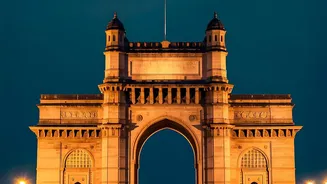

A Simplified Gateway to India
India has broadened its electronic visa program by authorizing more international entry points, making travel smoother for visitors. In a significant update from the Ministry of Home Affairs, the number of airports, seaports, and land borders that accept
e-visas has been increased. This expansion is part of a wider government initiative to liberalize and streamline its visa policies, aiming to boost tourism and business travel. The e-visa system, first introduced in 2014, has grown to become the primary mode of entry for foreign nationals, with approximately 78% of all visas issued by India now being electronic. The system allows travellers from over 170 countries to apply online, typically receiving their Electronic Travel Authorization (ETA) within 72 hours, which eliminates the need for embassy visits.
Unpacking 'Route Flexibility'
The core of the recent update is the addition of 11 new entry points, bringing the total number of approved locations for e-visa holders to 88. This network now includes 37 airports, 38 seaports, and 13 land ports. The new additions include two airports—Bhopal in Madhya Pradesh and Tirupati in Andhra Pradesh—which open up direct access to central India and a major pilgrimage site, respectively. More significantly, the expansion includes nine new land border crossings. These additions at locations like Agartala, Haridaspur, Jaigaon, and Moreh provide crucial new routes for travellers planning regional itineraries that combine India with neighboring countries like Bangladesh, Bhutan, and Myanmar. Previously, e-visa holders were restricted to a smaller set of major airports and seaports, but this change allows for more creative and convenient travel planning.
Who Stands to Benefit Most?
This expansion directly benefits a wide range of travellers. Tourists can now plan trips that begin in less-trafficked regional hubs, potentially reducing travel time and costs. Overland adventurers and backpackers gain the most significant advantage, with the new land border crossings making multi-country South Asian tours far more feasible. For example, a traveller can now enter India from Bangladesh via the Haridaspur border or from Myanmar via Moreh using an e-visa. Business travellers also gain efficiency, with more direct entry points closer to regional industrial or commercial centers. Furthermore, recent changes have also increased the flexibility of the 30-day e-Tourist visa, which now allows for multiple entries instead of the previous double-entry limit, a boon for those taking short side-trips to neighbouring countries.
Navigating the New System
While the system offers more flexibility, travellers must still follow specific procedures. The most crucial rule is that you must enter India through one of the designated e-visa entry points. An approved e-visa does not grant permission to enter through any international checkpoint. Before booking flights or ground transport, always verify that your intended arrival point is on the official list of 88 approved locations. The application itself is completed online via the official Government of India e-visa portal. Applicants need a passport valid for at least six months, a recent photograph, and a copy of their passport's photo page. After the fee is paid and the application is submitted, an Electronic Travel Authorization (ETA) is sent via email upon approval. Travellers must carry a printout of this 'GRANTED' ETA with them to present at immigration upon arrival.