






Monsoon-Proof Your Balcony Garden
Gardening during the rains is less about watering and more about managing excess moisture. The biggest threat to your potted herbs is root rot, which happens when soil stays waterlogged, depriving roots of oxygen. The solution begins with drainage. Ensure
every pot has multiple drainage holes. Elevating your pots on stands or even bricks allows water to escape freely and improves air circulation around the roots. For your soil mix, avoid heavy garden soil which compacts easily. Instead, create a light, airy mixture. A reliable formula is 40% potting soil, 30% compost, 20% coco coir, and 10% perlite or coarse sand. This blend retains enough moisture without becoming a swamp, giving your herbs the perfect foundation to withstand the downpours. Finally, during periods of very heavy, continuous rain, consider moving smaller pots to a sheltered spot to give them a break.
Growing Glorious Mint (Pudina)
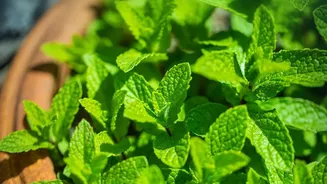
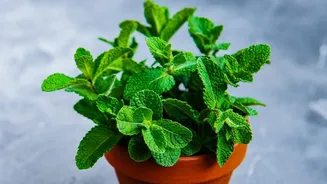
Mint, or Pudina, is a famously vigorous grower that loves moisture, making it a great candidate for monsoon gardening. However, even mint can suffer in constantly soggy soil. It grows aggressively, so it’s best to give it its own container, at least 12 inches deep, to prevent it from taking over other plants. Use a well-draining potting mix. Water only when the top inch of the soil feels dry to the touch; the high humidity of the monsoon means you'll be watering far less frequently than in summer. Mint needs at least four to six hours of sunlight daily to produce flavorful leaves. If it starts to look 'leggy' (long, weak stems with few leaves), it likely needs more light. Pinching the tips regularly will encourage bushier growth and provide you with a steady supply for your chutneys and teas.
Caring for Delicate Basil (Tulsi)
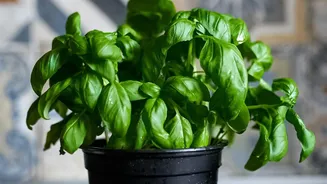
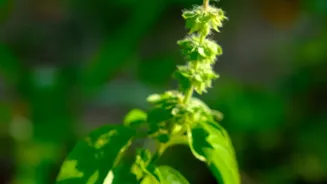
Basil, whether it's the sacred Tulsi or its Italian cousin, is more sensitive to overwatering than mint. It loves sunshine but detests having 'wet feet', making root rot a primary concern during the rains. Plant basil in a medium-sized pot with excellent drainage and a sandy, well-draining soil mix. Place it in the sunniest part of your balcony, but protect it from the most intense, direct rainfall if possible. The key is to let the soil dry out slightly between waterings. A simple finger test works best: if the top inch of soil is dry, it's time to water; if it's damp, wait another day. To promote lush, leafy growth, regularly pinch off any flower heads that appear. This directs the plant's energy into producing more of its aromatic leaves.
Thriving Lemongrass for Your Tea
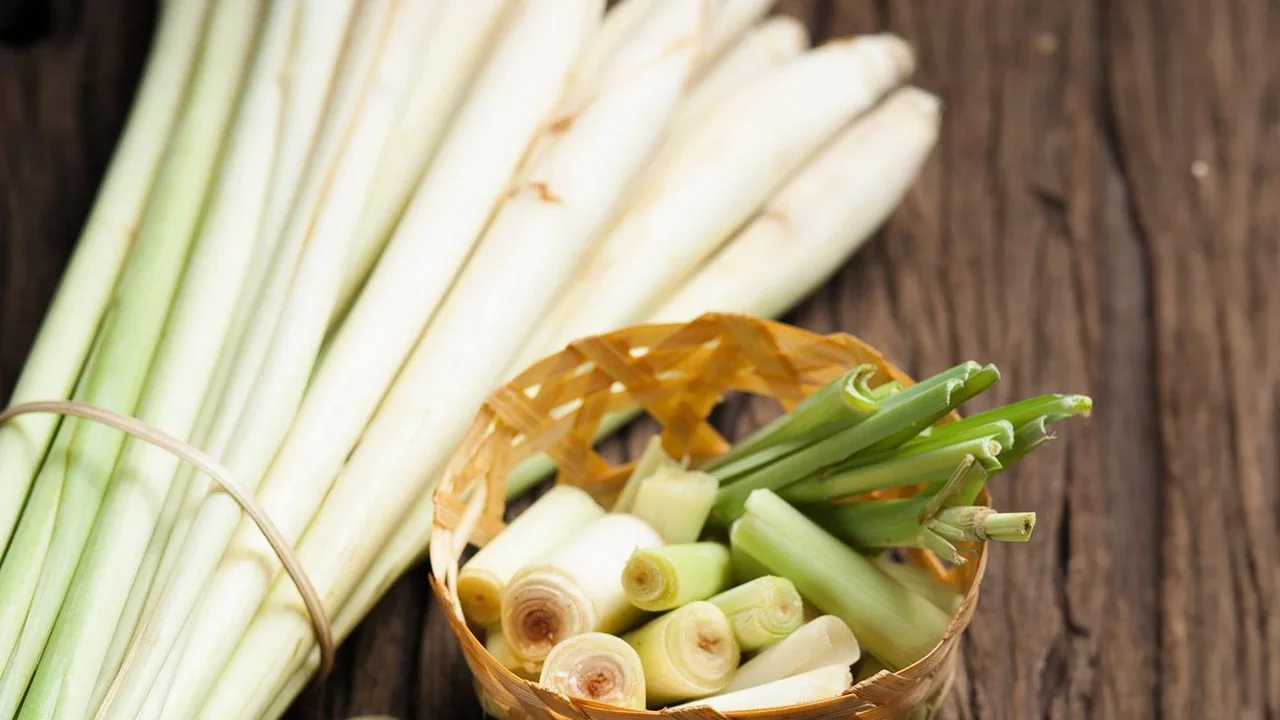
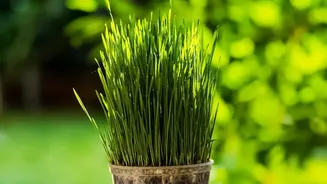
Lemongrass is a tropical grass that thrives in the heat and regular moisture of the monsoon season. While it enjoys water more than basil, good drainage is still essential to prevent the roots from sitting in stagnant water. A large, deep container (at least 5 gallons) is ideal to accommodate its growth. Use a quality potting mix, and place the pot in a spot that receives full sun, as lemongrass loves heat. During the monsoon, you'll likely only need to water it if there's a long dry spell between rains. Because it grows tall, position the pot where it is slightly protected from strong winds, which could otherwise tip it over. You can start harvesting stalks for your tea and curries once the plant is about a foot tall and the base of the stalks are at least half an inch thick.
General Monsoon Herb Care
Throughout the rainy season, a few consistent habits will keep your herb garden healthy. First, always check your saucers and trays after it rains and empty any standing water immediately. This simple step is critical in preventing root rot. Second, hold off on fertilizing waterlogged plants. Stressed, wet roots cannot absorb nutrients effectively, and adding fertilizer can do more harm than good. Wait for the soil to dry out a bit before feeding your plants. Finally, keep an eye out for pests like aphids and fungal issues like powdery mildew, which can be more common in damp, humid conditions. Good air circulation between your pots is one of the best preventative measures. With these precautions, your balcony will be a source of fresh, homegrown flavour all season long.