


The Familiar Friend in Our Kitchen
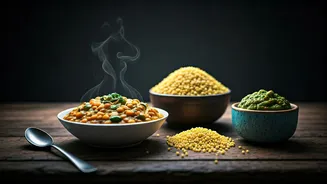
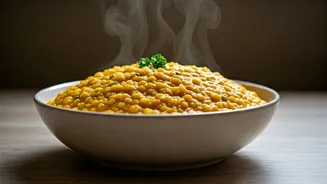
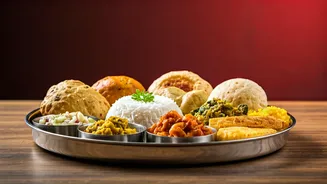
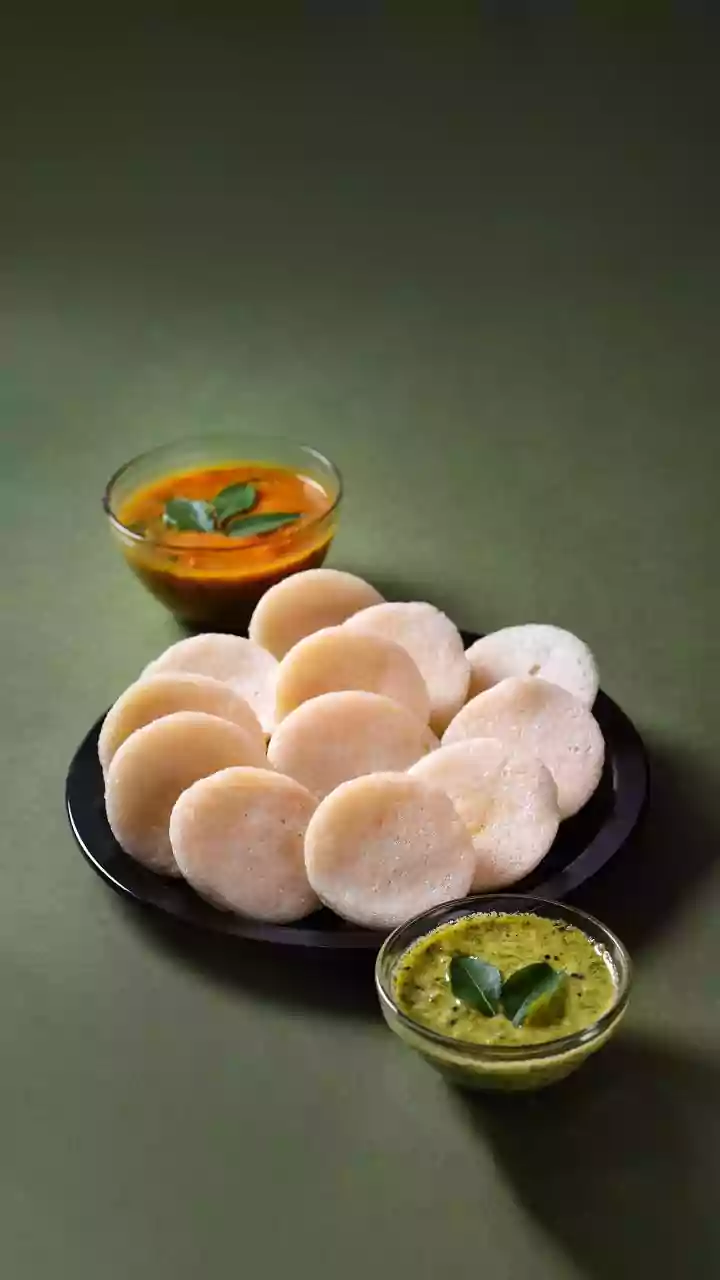
Dal is more than just a dish; it’s a culinary backbone. From the hearty dal makhani of the north to the tangy sambar of the south, it is a constant presence on the Indian dining table. Its ubiquity is its strength, but also perhaps why we overlook its incredible
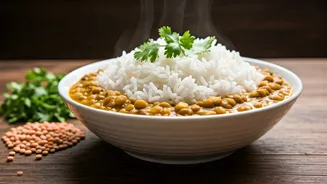
virtues. In a world chasing exotic superfoods from faraway lands, we’ve forgotten the powerhouse simmering right on our own stoves. We praise quinoa and kale but forget that a simple bowl of dal, paired with rice or roti, offers a complete and profoundly nourishing meal. This daily ritual of eating dal is a tradition rooted in deep nutritional wisdom.
A True Fibre Powerhouse
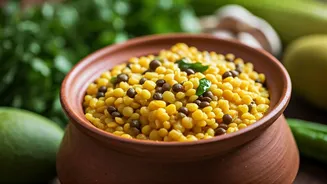
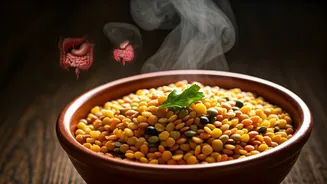
The headline-grabbing feature of dal is its exceptional fibre content. A single cup of cooked dal can provide a significant portion of your recommended daily fibre intake. For example, chana dal is particularly rich in fibre, containing as much as 11 grams per cup. This isn't just any fibre; dals contain both soluble and insoluble types. Soluble fibre helps lower bad cholesterol and stabilises blood sugar levels, while insoluble fibre is crucial for digestive health, preventing constipation and promoting regular bowel movements. This high-fibre nature also means dal keeps you feeling full and satiated for longer, which can help in weight management.
More Than Just Fibre
While the fibre is impressive, dal’s benefits don’t stop there. It is an excellent source of plant-based protein, with most varieties offering between 7 to 9 grams per 100g cooked serving. When combined with a grain like rice or wheat, it creates a 'complete protein', providing all the essential amino acids our bodies need, similar to animal protein. This makes the simple meal of dal-chawal a perfectly balanced dish. Furthermore, dals are packed with essential micronutrients. They are rich in folate, which is vital for cell growth, and are a great source of iron, potassium, and magnesium. These minerals support everything from blood production to heart health and blood pressure regulation.
The Original Superfood
In the modern wellness market, imported grains like quinoa are often lauded for their health benefits, but a closer look reveals that our local dals are just as mighty, if not more so. A 100g serving of cooked lentils contains significantly more fibre than the same amount of cooked quinoa (around 7.9g for lentils versus 2.8g for quinoa). Lentils also boast more iron and potassium. While quinoa is a fantastic food, dal provides comparable, and in some cases superior, nutritional benefits at a fraction of the cost and with a much smaller carbon footprint. It is a sustainable, affordable, and accessible superfood that has been nourishing the subcontinent for centuries.
Reclaiming Our Humble Hero
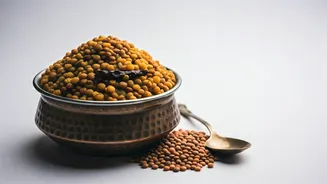
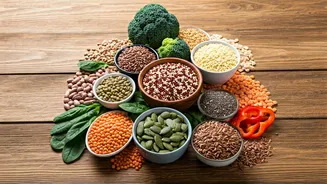
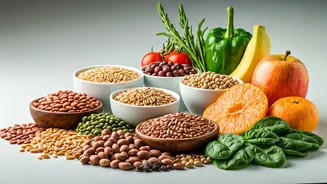
It's time to look at the familiar bowl of dal with fresh eyes. This isn't about discovering a new health fad, but about appreciating the wisdom already present in our traditional food culture. Instead of sticking to one or two types, exploring the vast diversity of Indian dals can be a rewarding journey. Try the robust chana dal, the quick-cooking masoor dal, or the creamy urad dal. Each brings its unique flavour, texture, and a slight variation in its nutritional profile. By consciously including a variety of dals in our weekly diet, we not only add excitement to our meals but also ensure a broader spectrum of nutrients. It's a simple, delicious way to honour our culinary heritage and boost our health.