



The Life-Threatening Danger of Floodwater and Electricity
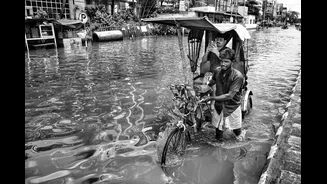
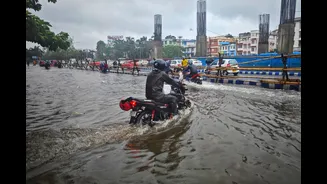
Water and electricity are a deadly mix, a fact that becomes critically important during urban and household flooding, a common occurrence in many parts of India during monsoon season. When floodwater enters a home, it can submerge electrical outlets,
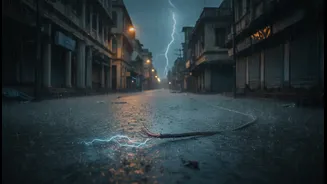
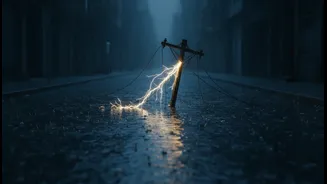
appliances, and wiring, turning the water into a live electrical field. Electrocution becomes a severe and invisible risk. It's not necessary to touch a live wire directly; standing in energized water is enough to cause serious injury or death. The murky, contaminated nature of floodwater makes it impossible to see submerged electrical hazards, including fallen wires from nearby poles or faults in underground cables that can electrify an entire street.
Rule Number One: Your Personal Safety Comes First
Before you even consider approaching your electrical panel, your absolute first priority is assessing your own safety. The most important rule is to never step into a flooded room or basement if the water is near or covering electrical outlets, appliances, or your main breaker box. If you must navigate a wet area, wear waterproof boots and do not touch any electrical devices, switches, or metal surfaces. If you hear any buzzing or popping sounds, or see sparks, leave the area immediately. The risk of a fatal shock is too high to justify any attempt to save property if the conditions are unsafe.
The Only Safe Method to Switch Off Mains Power
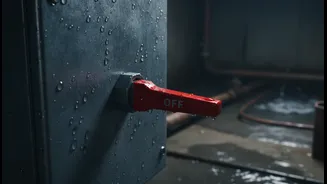
You should only attempt to turn off your main power if you can do so from a completely dry and safe location. First, identify your main circuit breaker panel, which is usually a metal box located near the entrance of your home or in a utility area. It contains one large switch, often labelled 'Main', that controls all power to the house. Stand on a dry surface. For added safety, wear rubber-soled shoes and use a dry wooden stick or another non-conductive object to flip the switch. It is recommended to first turn off all the individual circuit breakers one by one, before finally switching off the main breaker. This is the only scenario where a DIY shutdown is advisable.
When You Absolutely Must Not Touch the Breaker Box
If your main electrical panel or the area around it is wet, submerged, or damp, do not touch it under any circumstances. Attempting to operate a wet breaker box is extremely dangerous and could lead to severe electrocution. This is a non-negotiable rule. In this scenario, your only safe course of action is to evacuate the area and immediately call your local electricity provider (your DISCOM or electricity board). Report the situation as an emergency and request that they disconnect the power to your property from the meter or the street. Their trained professionals have the equipment and procedures to handle these hazardous situations safely. Do not try to be a hero; a call to the experts is the correct and safest decision.
After the Power Is Off: Staying Safe
Once the power has been shut off, either by you or the utility company, the danger is not entirely over. Do not assume it is safe to re-enter your home until authorities have declared it so. Even after the water recedes, your home's electrical system will need a thorough inspection by a qualified and licensed electrician before it is safe to restore power. Electrical components, including outlets, switches, and even the main panel itself, will likely need to be replaced if they have been submerged. Do not attempt to turn on any lights or plug in any appliances until your entire system has been certified as safe by a professional.