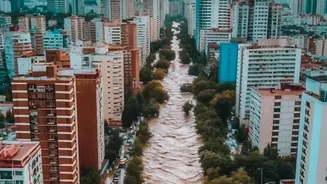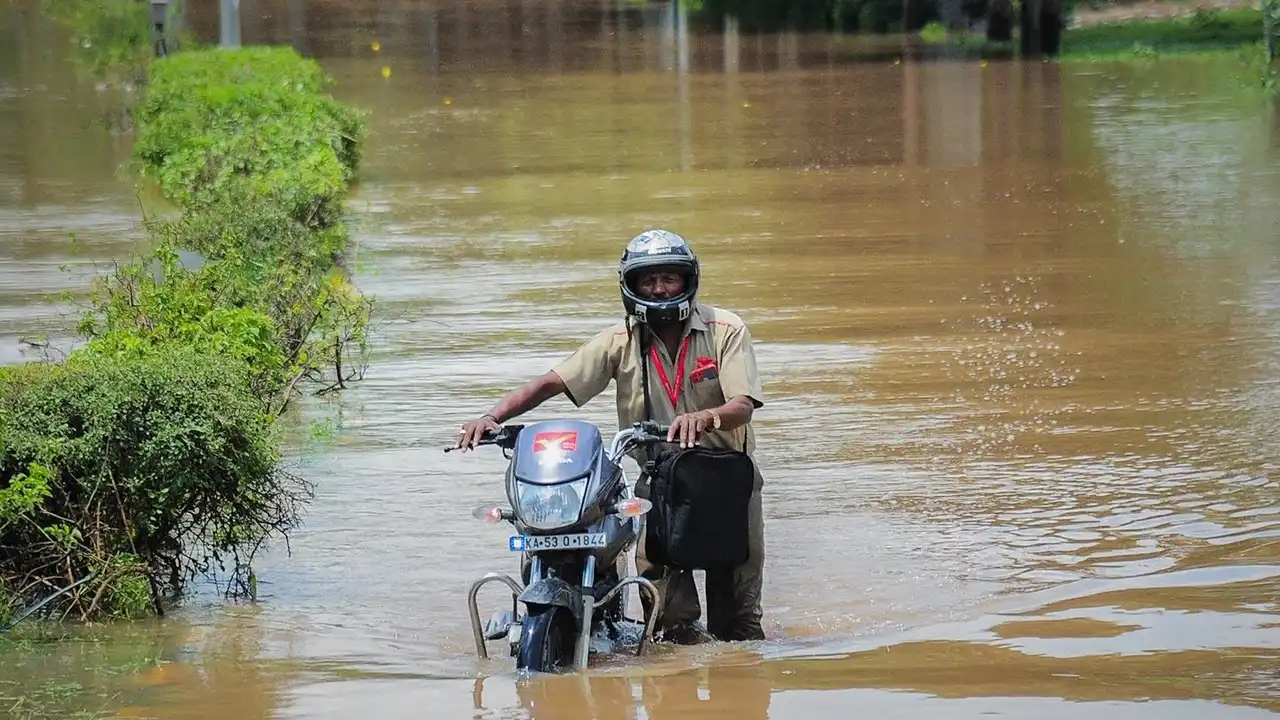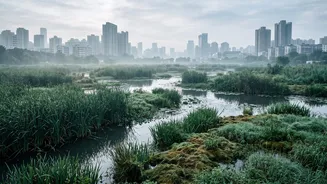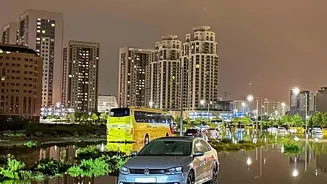





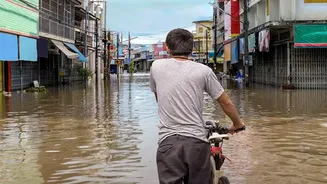
It is the great paradox of modern Indian cities. One heavy downpour brings a metro to its knees, with streets turned to rivers. A few months later, the same city faces acute water shortages, with tankers becoming a lifeline. How can a place be drowning
and dehydrated at the same time? The answer lies in the city's forgotten, and often destroyed, network of lakes, wetlands, and ponds.
The City’s Natural Sponges
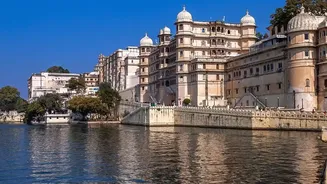
Before our cities were landscapes of concrete and asphalt, they were managed by a sophisticated, natural plumbing system. Urban water bodies like lakes, ponds, and wetlands historically served two critical functions. First, they acted as giant sponges, absorbing massive amounts of rainwater during heavy monsoons. By holding this excess water, they prevented it from overwhelming the surrounding areas, thus acting as a natural flood-control mechanism. Second, these water bodies were essential for groundwater recharge. The water they held would slowly percolate through the soil, replenishing the underground aquifers that are a vital source of fresh water. Cities like Bengaluru, for example, were historically sustained not by a major river, but by a cascading, human-engineered network of hundreds of lakes that captured rainwater and sustained the region.
Paving Over Our Reservoirs
Rapid and often unplanned urbanisation has systematically dismantled this natural infrastructure. Lakes and wetlands, once seen as vital commons, have been re-envisioned as prime real estate. Across India's metros, water bodies have been filled in and paved over to make way for housing complexes, commercial buildings, bus terminals, and even golf courses. Stormwater drains and channels that once connected these lakes, allowing for a balanced distribution of water, have been encroached upon or clogged with garbage and construction debris. A study on Chennai revealed that between 2015 and 2020, the number of its water bodies nearly halved from 119 to 64. Similarly, Bengaluru, once hailed as the 'City of a Thousand Lakes', now has only a fraction remaining, with studies indicating that 98% of the remaining lakes have been encroached upon. What isn’t built over is often choked by pollution, with untreated sewage and industrial effluents turning healthy ecosystems into toxic cesspools.
The Double-Edged Sword of Degradation
The consequences of this destruction are two-fold, creating the paradox of flood and drought. When heavy rain falls on a city covered in impervious surfaces like concrete and tar, the water has nowhere to go. It cannot be absorbed by the soil and there are no lakes to capture the runoff. Instead, it cascades over streets and into low-lying areas, causing the intense urban floods that have become a recurring nightmare in cities like Chennai and Bengaluru. The very channels that were meant to carry water away safely are either gone or blocked. At the same time, because the water is not being held in lakes and allowed to seep into the ground, groundwater aquifers are not being replenished. As cities increasingly rely on borewells to meet their growing water demands, they are drawing from a bank account that is no longer receiving deposits. This leads to a precipitous decline in the water table, forcing residents to drill deeper and rely on expensive water tankers, a situation starkly visible during Chennai's 2019 water crisis.
Can This Trend Be Reversed?
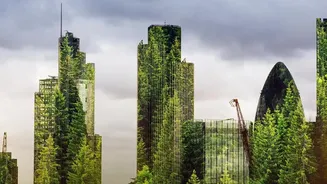
The situation is critical, but not irreversible. The solution lies in shifting our perspective: we must view water bodies not as disposable land, but as essential urban infrastructure. This requires a multi-pronged approach. First, existing lakes and wetlands must be aggressively protected from further encroachment and pollution through strict enforcement of environmental laws. Second, rejuvenation projects are needed to de-silt and restore the health of degraded water bodies, as citizen-led initiatives in Bengaluru have shown is possible. Third, urban planning must incorporate principles of 'blue-green infrastructure'. This means creating more permeable surfaces, like rain gardens and green roofs, and mandating rainwater harvesting to capture runoff before it floods the streets. Restoring the interconnected network of stormwater drains is equally critical to reviving the city's natural ability to manage water.